
5 Common Misconceptions About Warehouse Automation: Separating Fact From Fiction

Understanding The Realities Behind Today’s Warehouse Automation
Warehouse automation continues to attract attention, with headlines focused on everything from AI and robotics to increasingly autonomous systems. But that attention can make it difficult to distinguish emerging technologies from proven automation already delivering measurable value in warehouse operations.
Humanoid robots are one highly visible example of technology that remains largely future-facing for warehouse applications. Meanwhile, established solutions such as robotic arms, autonomous mobile robots (AMRs), conveyor and sortation, ASRS, and goods-to-person systems are addressing real operational challenges today.
So, what should warehouse operators realistically expect from automation? Let’s look at five common misconceptions and separate the assumptions from the operational realities.
The Reality Of Automation
Warehouse automation is not an all-or-nothing solution, nor does the technology alone determine success. The right approach starts with the operation (its processes, data, facility constraints, labor needs, performance requirements, and business goals) and applies automation where it can deliver measurable operational value.
Myth 1: “Warehouse Automation Replaces People”
Fact: Automation Changes How Labor Is Used
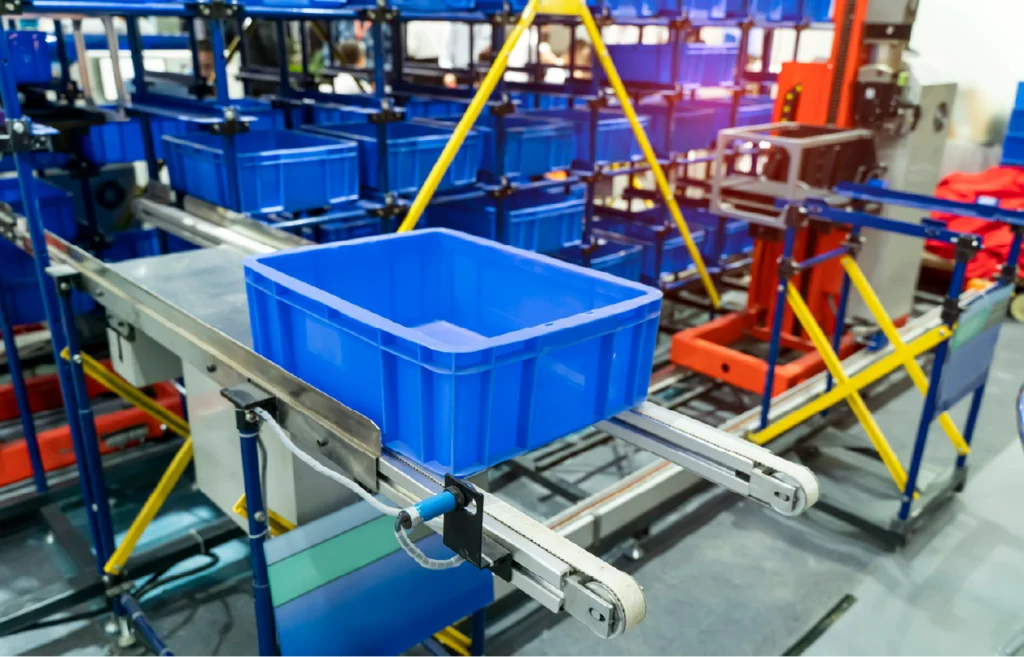
Automation can reduce the labor required for a particular process. The more useful question is what work is being automated and how the labor profile changes as a result.
- AMRs can reduce non-value-added travel and transport
- Conveyor systems can reduce manual product movement
- ASRS solutions streamline storage and retrieval activity
- Robotic palletizing can take over repetitive pallet-building tasks.
The role of people depends on the level and type of automation. While some systems can automate replenishment, storage and retrieval, transport, or other material movements, people may still be needed for exception handling, system oversight, maintenance, equipment support, IT, process management, and other functions. As we often say, “Automation does not take away jobs, it reallocates them.” In many operations, automation allows employees to shift from repetitive tasks to other warehouse functions where additional labor is needed.
Myth 2: “Automation Requires Building A New Warehouse”
Fact: Existing Warehouses Can Be Automated
Existing facilities do not have to be excluded from the automation conversation. Many automation technologies can be integrated into an operating warehouse, either as targeted improvements to specific processes or as part of a larger system.
This type of implementation is often referred to as brownfield integration, which adds new automation within an existing operating warehouse or distribution center.
Potential applications include:
- Adding AMRs to targeted workflows
- Automating a packaging or shipping process
- Adding conveyor/sortation
- Installing robotic palletizing
- Adding ASRS
- Automating specific picking processes
- Integrating controls/software with existing equipment
Not every existing facility is a good candidate for automation. Apex automation specialists evaluate inventory and SKU profiles, product and process flow, throughput requirements, available space, existing infrastructure, and future operational needs to identify automation options that make sense for the application. That evaluation may also show that facility constraints limit the performance or value of a retrofit, making a new or different space worth considering.
Myth 3: “Warehouse Automation Is Plug-And-Play”
Fact: Proven Technology Still Requires Application Engineering And Integration
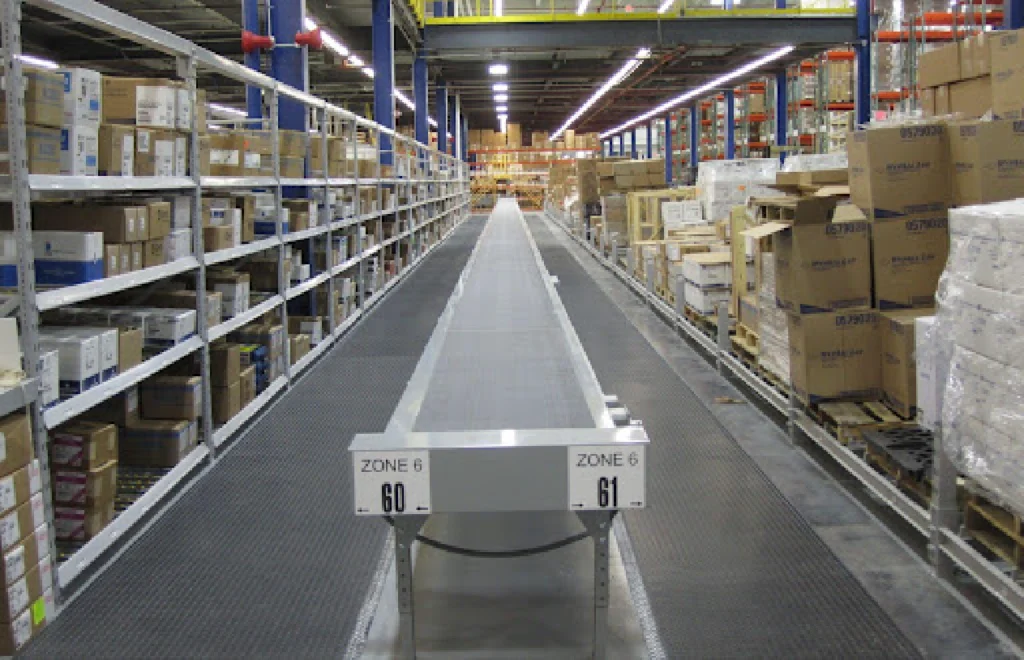
A proven piece of equipment can still be the wrong solution for a particular warehouse. “Plug-and-play” is a common misconception in robotics implementations because warehouses differ in their products, processes, infrastructure, and performance requirements.
System fit depends on product characteristics, throughput requirements, facility constraints, existing equipment, software integration, and future needs. An automated machine also has to work with what happens before and after it.
System controls and software may need to exchange information with the warehouse management or control system, scanners, conveyors, or other equipment. Safety requirements, maintenance access, charging or power needs, and exception paths must also be incorporated into the system design.
Apex’s guide to warehouse automation implementation planning also addresses software integration, infrastructure, and workflow requirements as part of the project.
Myth 4: “Automation Will Fix An Inefficient Warehouse”
Fact: Fix The Process Before Automating It
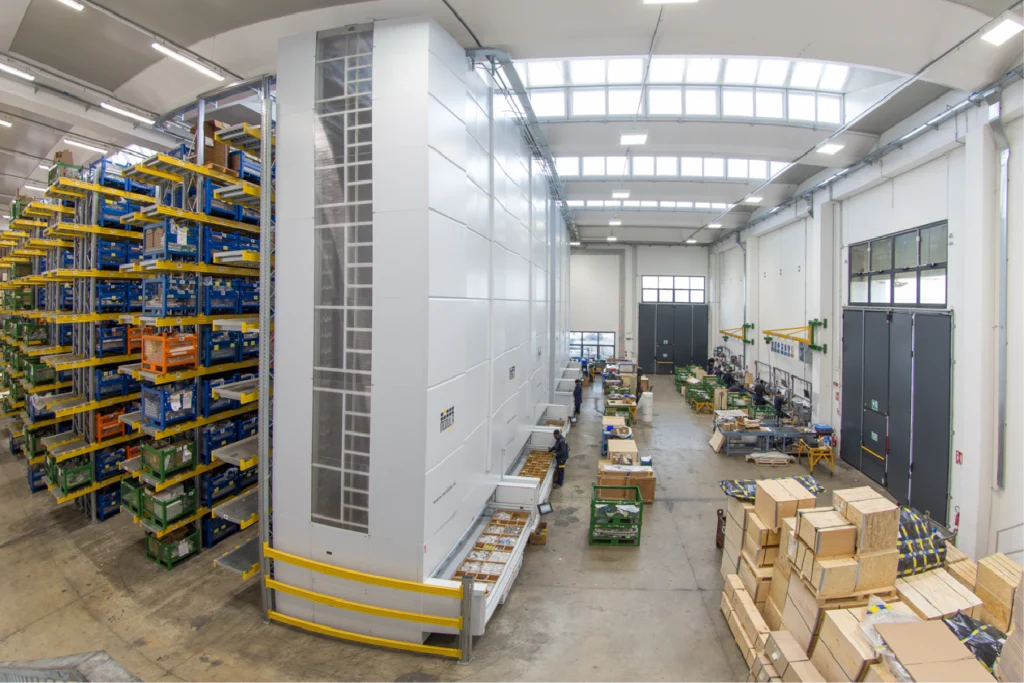
Automation can make a strong process faster and more consistent. Applied to a weak process, it can carry the same bottlenecks and unnecessary touches into the automated workflow.
Before selecting technology, the operation should understand:
- Where are bottlenecks occurring?
- How much travel or handling is involved?
- Where does congestion occur?
- What are the actual throughput requirements?
- How accurate is inventory data?
- What are peak conditions versus averages?
- Where are errors occurring?
- Which processes consume disproportionate labor?
- What service level must the operation achieve?
Process, data, financial assumptions, facility readiness, and team readiness should be addressed before implementation. Automation can amplify existing problems, which is why the operational objective should be defined before the technology is selected.
Data analysis should help drive that decision by identifying where the operational constraints and opportunities actually exist. The right solution may include automation, better slotting, layout or storage changes, different material handling equipment, process redesign, or a combination of approaches.
Myth 5: “Automation Is Only Affordable For Large Warehouses”
Fact: Automation Economics Depend On The Application
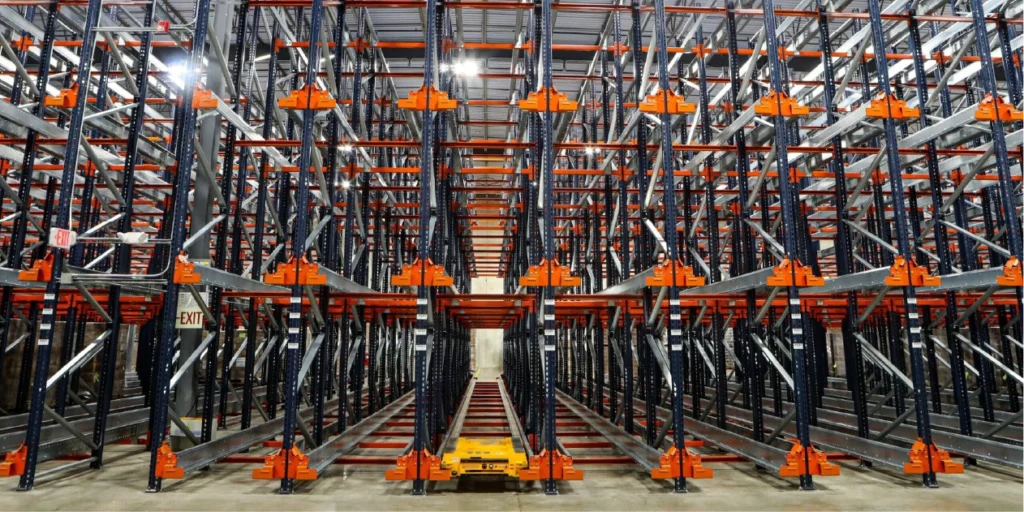
Warehouse size alone does not determine whether automation has a workable business case. The economics depend on how the system will be used, what problem it solves, and the total cost of both the project and the alternatives.
A realistic business case may include:
- Labor and operating costs
- Throughput and system utilization
- Space and capacity requirements
- Integration, software, maintenance, and lifecycle costs
- Growth requirements and the cost of alternative solutions
That means automation does not always have to involve an entire facility. A targeted project can address a defined bottleneck, and a phased approach can establish operational results before further investment is justified.
Equipment price is only part of the investment; software, integration, programming, and startup effects also belong in the calculation. Apex can also use warehouse automation modeling to compare system performance and operating scenarios before implementation.
What Should You Consider Before Automating a Warehouse?
Before evaluating equipment, establish what the operation needs to improve and how success will be measured. That requires understanding current processes, people, and product movement, inefficiencies, performance requirements, and long-term goals before selecting automation technology.
- The problem: What specifically needs to improve?
- The baseline: What does the process cost and produce today?
- The requirement: What throughput, capacity, accuracy, or service level is needed?
- The constraints: What do the facility, inventory, software, safety requirements, workforce, and existing equipment allow?
- The alternatives: Can process, layout, storage, equipment, automation (or some combination) solve the problem?
- The business case: What are the implementation and lifecycle costs compared with the operational value?
- The future state: Can the solution accommodate realistic growth or changing requirements?
The sequence matters here because it keeps the technology tied to a defined operational need:
Operational challenge → Process and data analysis → Performance goal → Solution evaluation → Technology
Automate The Right Process For The Right Reason
Warehouse automation is neither a universal solution nor a technology reserved for highly automated mega-distribution centers. It is a set of tools that can address specific storage, movement, picking, packing, palletizing, and fulfillment challenges.
Apex helps warehouse teams evaluate the operation first, compare practical alternatives, and determine where automation changes make operational and financial sense. The goal is to design the solution around the actual requirement rather than start with a predetermined technology.
Talk with the Apex team about your warehouse flow, inventory profile, and automation goals.
Contact Apex to discuss your warehouse challenges.
Warehouse Automation FAQs
Does Warehouse Automation Replace Workers?
Warehouse automation can reduce labor requirements for specific tasks, but it often changes the overall labor profile. Depending on the system, people may still be needed for exception handling, system oversight, maintenance, IT, equipment support, process management, and other functions.
Can You Automate An Existing Warehouse?
Yes. Many automation systems can be integrated into existing operating warehouses. Feasibility depends on building geometry, floor and utility conditions, storage and equipment, software, infrastructure, and how installation can be staged around ongoing operations.
Is Warehouse Automation Plug-And-Play?
Generally, no. Even proven equipment must be matched to the products, throughput requirements, facility layout, controls, software, safety requirements, surrounding processes, and maintenance needs of the application.
What Should You Automate First In A Warehouse?
Start with a defined operational problem rather than a technology. Processes with measurable bottlenecks, excessive travel or handling, repeatable work, capacity constraints, or difficult labor requirements may be candidates after the current process and alternatives are evaluated.
Can Automation Fix Inefficient Warehouse Processes?
Not by itself. Automating an inefficient process can preserve or amplify the underlying problem. The process should first be measured and improved so that automation can be applied to a workflow worth scaling.
How Do You Calculate Warehouse Automation ROI?
Compare the total implementation and lifecycle cost with measurable operational value, including labor, throughput, space, accuracy, rework, maintenance, capacity, and the cost of the alternative. Use realistic utilization, ramp-up, and growth assumptions rather than a generic payback period.
Is Warehouse Automation Only For Large Companies?
No. Warehouse size alone does not determine fit. Targeted or phased automation may make sense for smaller operations when a specific process has enough volume, repeatability, utilization, or operating cost to support the investment.
