
A Guide to Warehouse Automation Implementation — Planning to Peak Performance

How to Plan, Implement, and Optimize Warehouse Automation
In today’s challenging logistics and fulfillment environment, facility managers are turning to warehouse automation to streamline daily operations. From improving order accuracy and maximizing storage space to reducing labor costs and increasing throughput, automation solutions help facilities adapt to growing and evolving demands. Naturally, there’s curiosity about how the process unfolds—from defining the right solution to full implementation. While every warehouse is unique, automation projects typically follow a structured roadmap to ensure a seamless transition from concept to completion.
Understanding the process upfront helps set realistic expectations. The timeline and complexity of each phase may vary depending on the facility’s size, operational goals, and the level of automation being introduced. However, most successful automation projects roll out in five key stages: Planning, Evaluation, Integration, Testing, and Full Deployment.
Let’s break down each of these phases, highlighting what to expect at every step—so you can confidently navigate your warehouse automation journey and unlock the full potential of your operations.
Phase 1: Planning – Laying the Groundwork for Success

Every successful warehouse automation project starts with a well-structured plan. This initial phase is all about defining objectives, understanding current operations, and aligning resources to ensure a smooth transition. Taking the time to assess needs and set clear expectations helps create a strong foundation for the entire process.
Defining Goals & Objectives
Before diving into automation, it’s essential to establish what you want to achieve. Common goals include getting orders out the door faster, optimizing storage space, reducing labor costs, and improving order accuracy. Clearly outlining these objectives helps guide decision-making and ensures that the selected automation solutions align with business needs.
Assessing Current Operations
Apex uses a data-driven design and analysis process to evaluate existing workflows and identify inefficiencies. This step involves pinpointing bottlenecks in order fulfillment, storage, and material movement. By understanding where improvements are needed, businesses can determine the best automation strategies to maximize efficiency and productivity.
Budgeting & ROI Analysis
Automation is an investment, and setting realistic financial expectations is crucial. This phase includes evaluating the cost of implementation against the projected benefits, such as labor savings, increased output, and improved accuracy. Conducting a return on investment (ROI) analysis helps stakeholders make informed decisions and prioritize solutions that offer the best long-term value.
Stakeholder Engagement
Successful automation projects require collaboration across multiple departments. Engaging key stakeholders—including warehouse managers, IT teams, and operations staff—ensures that all perspectives are considered. This collaborative approach helps address potential challenges early and fosters buy-in from the teams interacting with the system daily.
With a solid plan in place, the next step is to move into the Evaluation phase, where potential automation solutions are explored and assessed to determine the best fit for the operation.
Phase 2: Evaluation – Choosing the Right Automation Solutions
With a solid plan in place, the next step is evaluating the best automation solutions to meet operational goals. This phase involves selecting the right technologies, vetting vendors, assessing facility compatibility, and ensuring compliance with industry regulations. A thorough evaluation ensures that the chosen system integrates seamlessly with existing operations and delivers long-term value.
Technology Selection
With an expansive array of warehouse automation solutions to choose from, selecting the right technology depends on operational needs, warehouse size, and business objectives. Common solutions include:
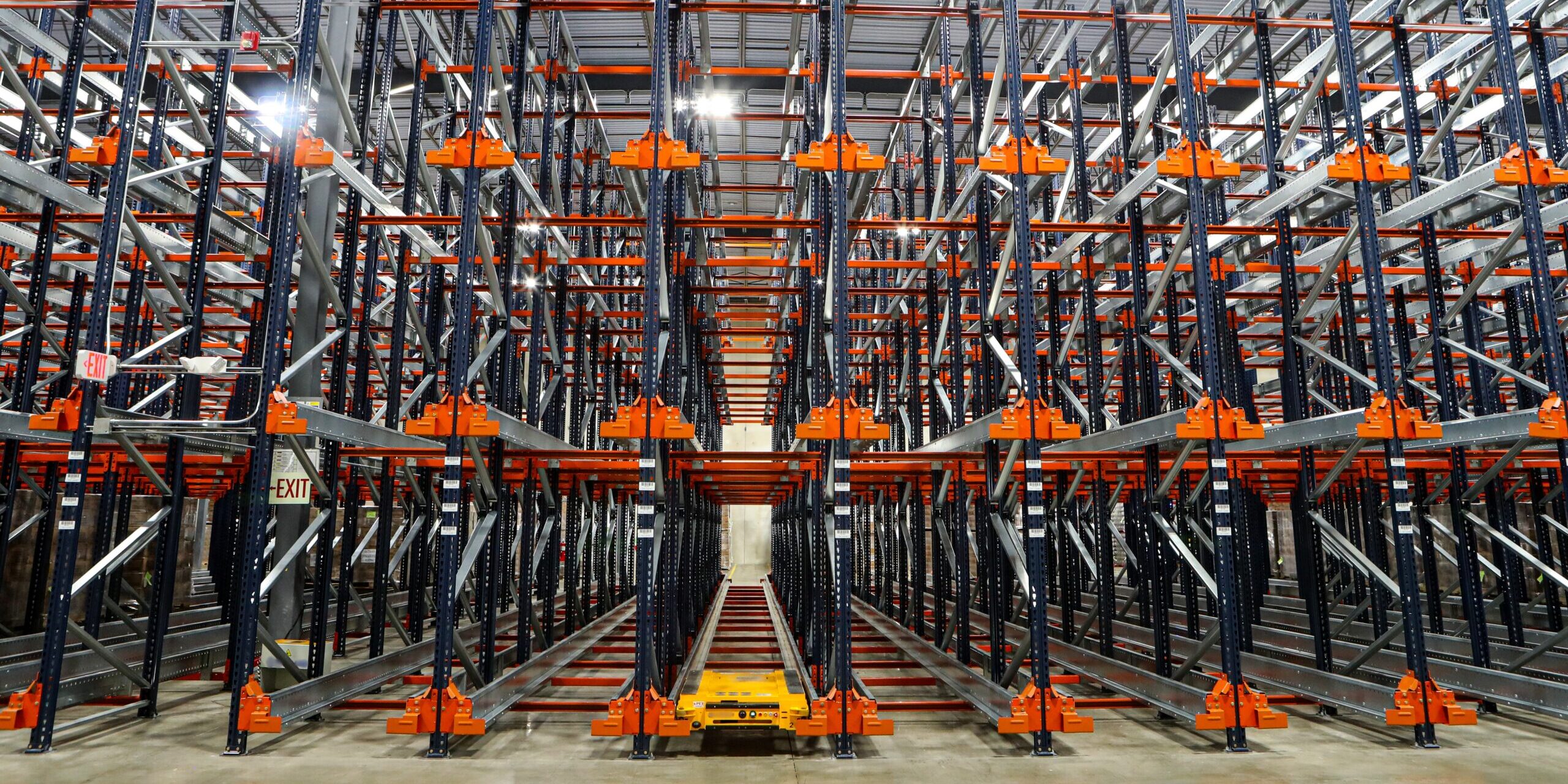
Automated Storage and Retrieval Systems (ASRS) High-density storage solutions that optimize space, enhance inventory tracking, and boost picking efficiency |

Automated Guided Vehicles (AGVs) & Autonomous Mobile Robots (AMRs) Enhance material transport and order fulfillment with minimal manual intervention. |

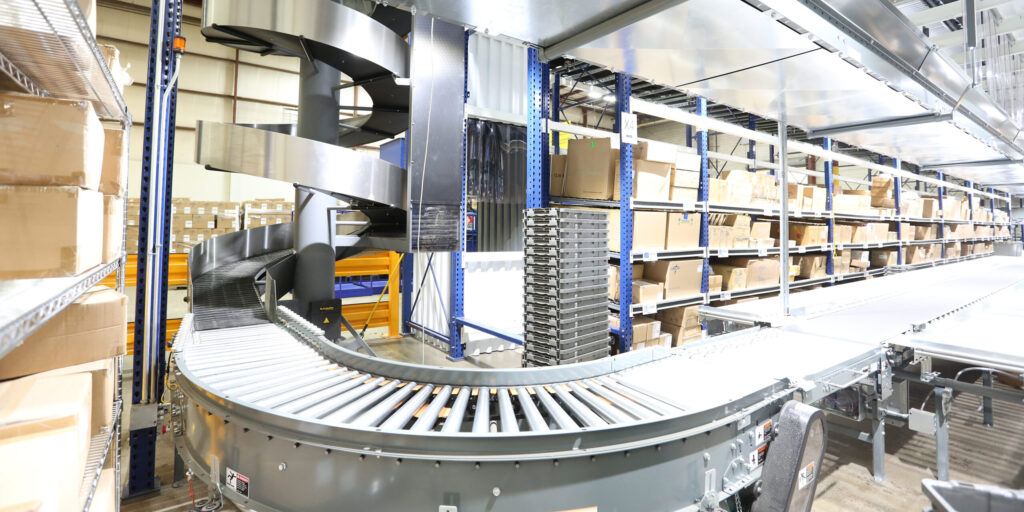
Streamline inventory and process flow to optimize labor resources and minimize bottlenecks for faster, more accurate product tracking and fulfillment. |
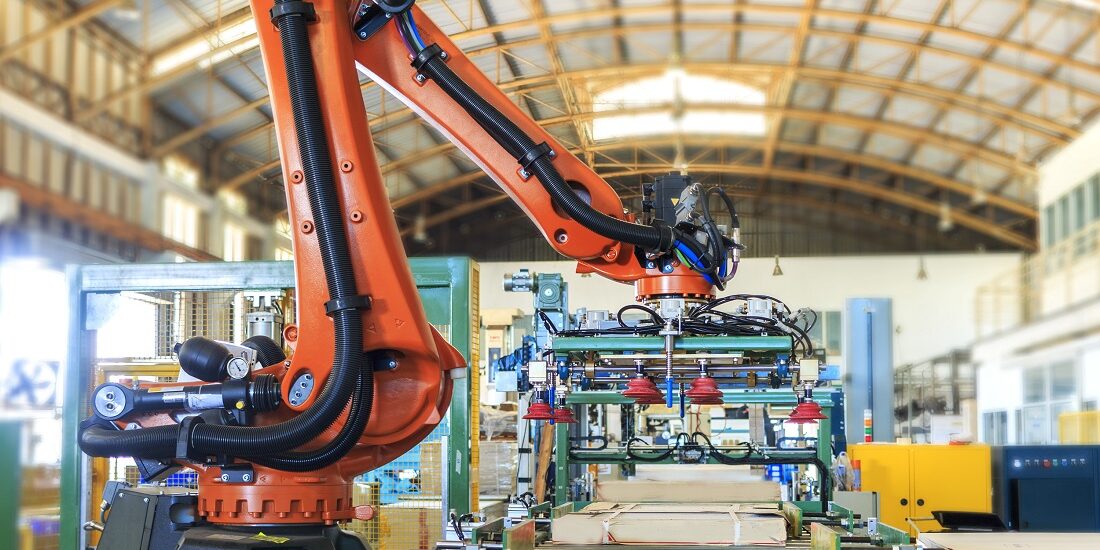
Robotics From robotic picking arms to palletizing systems, robotics optimize repetitive tasks and reduce labor costs. |

Warehouse Management Software (WMS) Integrates automation systems, providing real-time inventory tracking, order processing, and data analytics. |
Vendor & Partner Evaluation
Implementing automation requires strong partnerships, and selecting the right vendors for equipment, software, and integration services is crucial to a successful rollout. Unlike providers that push specific brands or solutions, Apex is vendor-agnostic—meaning we work with leading automation technology providers but always prioritize the best solution for our customers, not Apex.
When evaluating vendors, key considerations include:
- Industry experience and proven track record – Ensuring reliability and expertise in warehouse automation.
- Scalability of solutions – Choosing technologies that can grow with business needs.
- Customer support and training services – Providing ongoing assistance to maximize system effectiveness.
- Compatibility with existing warehouse systems – Ensuring seamless integration with WMS, ERP, and other operational software.
By working with an experienced integration partner like Apex, businesses gain unbiased guidance in selecting and implementing the right automation solutions.
Site Assessments & Layout Design

A successful automation system must fit within the existing warehouse infrastructure. Site assessments and layout designs help determine:
- Space availability for new automation equipment
- Flow of materials and potential bottlenecks
- Electrical and network requirements
- Structural modifications needed for installation
Regulatory & Compliance Considerations
Automating warehouse operations doesn’t just improve efficiency—it can also help to satisfy safety and regulatory requirements. Key compliance areas include:
- OSHA Standards – Ensuring a safe work environment for employees.
- Fire Code Compliance – Addressing sprinkler clearance, flammable materials storage, and emergency egress requirements.
- ANSI/RMI Guidelines – Meeting rack system and structural safety standards.
- Industry-Specific Regulations – Depending on the sector, additional compliance considerations (e.g., FDA for food storage, ISO for manufacturing) may apply.
By carefully evaluating technologies, vendors, facility compatibility, and compliance requirements, businesses can confidently move into the Integration phase—where automation systems start coming to life within the warehouse.
Phase 3: Integration – Bringing Automation into the Workflow

With the right automation solutions selected, the next step is integrating them into warehouse operations. This phase involves configuring systems to meet specific operational needs, upgrading infrastructure to support new technology, and preparing staff for the transition. A smooth integration process ensures that automation enhances efficiency without disrupting daily workflows.
System Configuration & Customization
Every warehouse operates differently, which means automation solutions must be adapted to fit unique processes. Customization may include:
- Optimizing software settings for order processing, inventory tracking, and picking strategies.
- Adjusting conveyor speeds and routing logic to match SKU velocity and order volume.
- Fine-tuning robotic workflows for seamless interaction with human workers.
- Integrating automation with existing WMS, ERP (Enterprise Resource Planning), and other business systems to ensure real-time data synchronization.
This step is crucial to maximizing the effectiveness of automation and aligning it with business goals.
Infrastructure Upgrades
Automation systems require a solid foundation, which often means upgrading warehouse infrastructure. Common improvements include:
- Electrical enhancements to support new machinery and robotics.
- Network expansion for real-time data transmission between automation systems, WMS, and operators.
- Structural modifications, such as reinforced floors for ASRS installations or new pathways for AGVs and AMRs.
Ensuring that the warehouse is ready for automation minimizes downtime and operational disruptions during implementation.
Operator Training
Even with automation in place, human workers remain essential to warehouse operations. Proper training ensures a smooth transition and helps employees adapt to new workflows. Key areas of training include:
- Operating and troubleshooting new systems to minimize disruptions.
- Safety protocols for working alongside automation equipment.
- Using WMS and software interfaces for real-time order tracking and inventory management.
Hands-on training and clear documentation empower employees to work confidently with automation technology.
Change Management Strategy
Implementing automation is more than just a technical upgrade—it’s a shift in how a warehouse operates. To minimize resistance and ensure a smooth transition, a structured change management strategy is essential. This includes:
- Clear communication about the benefits of automation and how it supports workers rather than replaces them.
- Involvement of key stakeholders throughout the process to address concerns and gather feedback.
- Gradual implementation to allow employees time to adapt before full-scale deployment.
By proactively managing change, businesses can foster a positive attitude toward automation and ensure long-term success.
With automation now integrated and staff prepared, the next step is Testing—where systems are fine-tuned to ensure peak performance before full deployment.
Phase 4: Testing – Ensuring Optimal Performance
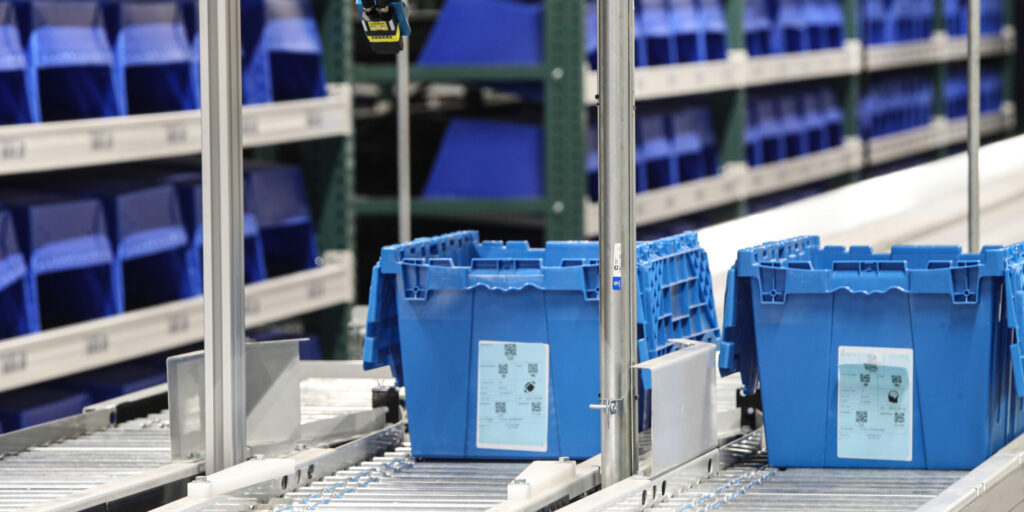
Before automation systems go live, rigorous testing is essential to confirm they function as expected and meet operational goals. This phase helps identify any potential issues, fine-tune performance, and ensure employees are comfortable with new workflows. Through a combination of pre-installation testing, pilot programs, and real-world adjustments, businesses can confidently transition to full-scale automation with minimal disruption.
Factory Acceptance Testing (FAT)
Certain automation systems offer the option for Factory Acceptance Testing (FAT)—a crucial step that allows businesses to verify system performance before installation. During FAT, the automation system is assembled and tested at the manufacturer’s site, enabling stakeholders to:
- Observe the system in action under simulated operating conditions.
- Verify that performance aligns with specifications and expectations.
- Request modifications or adjustments before shipping.
- Sign off on system functionality before it is disassembled and transported for on-site installation.
FAT reduces the risk of unexpected issues during integration, ensuring a smoother rollout once the system arrives at the facility.
Pilot Programs & Soft Launches
Before fully deploying automation, many warehouses implement pilot programs or a soft launch to test new systems in a controlled setting. This approach allows teams to:
- Validate performance in real operational conditions.
- Identify any workflow disruptions and make necessary adjustments.
- Gradually introduce employees to automation without overwhelming daily operations.
By starting small, businesses can refine processes and optimize system configurations before full-scale implementation.
Performance Metrics & Adjustments
During testing, real-time data collection is critical for evaluating automation effectiveness. Key performance indicators (KPIs) to monitor include:
- Throughput – How efficiently the system processes orders and materials.
- Accuracy – The percentage of correctly picked, packed, and shipped items.
- Uptime & Reliability – System stability and any unplanned downtime occurrences.
Analyzing these metrics helps identify areas for improvement and make necessary adjustments to enhance efficiency.
Troubleshooting & Fine-Tuning
No automation system is perfect from day one. Testing allows teams to identify and resolve initial issues before full deployment. Common fine-tuning activities include:
- Adjusting robotic picking speeds and movement patterns.
- Refining conveyor flow to prevent bottlenecks.
- Optimizing WMS settings for better inventory tracking and order processing.
- Ensuring seamless communication between automation components.
Employee Feedback & Training Adjustments
Employees play a key role in the success of automation, and their feedback during testing is invaluable. Gathering input from operators, supervisors, and IT teams helps identify:
- Usability challenges in system interfaces.
- Workflow inefficiencies that may require additional training or software tweaks.
- Safety concerns when working alongside automation.
By refining training programs and making necessary adjustments based on employee feedback, businesses can ensure a user-friendly and effective automation rollout.
With thorough testing and validation complete, the final phase—Full Deployment—is all about scaling automation to maximize efficiency and long-term success.
Phase 5: Full Deployment – Scaling Up for Maximum Impact
After rigorous testing and fine-tuning, it’s time for the final go-live. This phase focuses on executing the rollout, monitoring real-time performance, ensuring ongoing maintenance, and planning for future growth. A well-managed deployment ensures that automation continues to deliver efficiency, accuracy, and scalability long after implementation.
Final Go-Live Execution: Phased vs. Full-Scale Rollout
The approach to deployment depends on operational needs and risk tolerance. Businesses typically choose between:
- Phased Rollout – Implementing automation in stages to minimize disruption and allow for continuous adjustments. This approach is ideal for complex or high-volume operations where downtime must be minimized.
- Full-Scale Deployment – Launching the entire system at once for a faster transition. This works best after completing extensive testing and readying teams for the shift.
Regardless of the approach, Apex ensures a structured rollout with minimal disruption to daily operations.
Ongoing Performance Monitoring
Once automation is live, continuous monitoring is essential to maximize efficiency and quickly address any issues. Apex’s KPI design and real-time reporting tools allow businesses to track:
- Throughput and Order Accuracy – Ensuring the system meets performance benchmarks.
- Downtime and Error Rates – Identifying potential issues before they impact operations.
- Workflow Efficiency – Using data to refine processes and enhance productivity.
With real-time insights, businesses can make proactive adjustments, ensuring automation continues to operate at peak efficiency.
Routine Maintenance & Support
To keep automation running smoothly, a proactive maintenance strategy is essential. Routine maintenance helps:
- Prevent unexpected breakdowns and costly downtime.
- Ensure software updates and system optimizations are applied regularly.
- Provide operators with ongoing training and troubleshooting support.
Partnering with Apex for ongoing service and support ensures that automation investments continue to deliver long-term value.
Future Scalability Considerations
Automation is an investment in long-term growth, and planning for future scalability is key. As business needs evolve, strategies for expansion may include:
- Adding new automation technologies such as AI-driven robotics or expanded ASRS capacity.
- Upgrading WMS and data integration capabilities for more advanced analytics and reporting.
- Adapting to industry changes such as evolving compliance requirements or customer expectations.
By designing automation solutions with flexibility and scalability in mind, businesses can seamlessly adapt to future demands without major overhauls.
Streamline Your Warehouse with Apex Automation Solutions
The journey to warehouse automation is a strategic process that unfolds in well-defined phases—from initial planning and technology selection to integration, testing, and full deployment. With Apex’s expertise in data-driven design, real-time monitoring, and scalable solutions, businesses can implement automation with confidence.
Whether you’re looking to streamline order fulfillment, optimize storage, or reduce labor costs, automation is the key to unlocking new levels of efficiency and productivity. Ready to explore what’s possible?
Connect with Apex automation experts today and take the first step toward a smarter, more efficient warehouse.
