
Preparing For Pallet Rack Installation

What Happens Before A Pallet Rack Installation? A Warehouse Readiness Checklist
Pallet rack installation may be the most visible part of a warehouse storage project, but a lot needs to happen before the first upright is put in place. Preparing the facility, coordinating access, staging materials, and planning around warehouse operations can all help the installation move efficiently and with fewer disruptions.
What that preparation looks like depends on the facility. Installing pallet racks in an empty warehouse is different from adding or replacing rack in a building where forklifts, employees, and inventory are moving throughout the day.
Whether you’re preparing a new facility or upgrading an active operation, use this warehouse readiness checklist to get your facility ready before the Apex installation team arrives.
Key Takeaway
A successful pallet rack installation starts with a prepared facility—clear access, coordinated operations, and proactive planning help keep the project moving efficiently with fewer disruptions.
What Should Be Ready Before Pallet Rack Installation?
By the time installation begins, the rack system and layout should already be established. The focus now shifts to making sure the facility is ready to support the project.
Depending on the scope of the installation, that may include:
- Installation area clear and accessible
- Delivery and staging area defined
- Floor and building conditions communicated
- Contractors and trades coordinated
- Inventory, traffic, and operations planned
- Site access and project requirements addressed
The goal is straightforward: make sure the installation team has the access and site information needed to begin the scheduled work.
Start With The Approved Pallet Rack Installation Plan
Before installation, confirm that the approved plan still reflects the facility’s current conditions. If the building or operating environment has changed since the layout was finalized, communicate those changes to the project team before work begins.
If you’re still determining where the system should go, start with our guide to Choosing The Best Location For Pallet Rack Installation.
Once the layout is approved, the priority is to get the site ready for installation.
Preparing An Empty Warehouse For Pallet Rack Installation
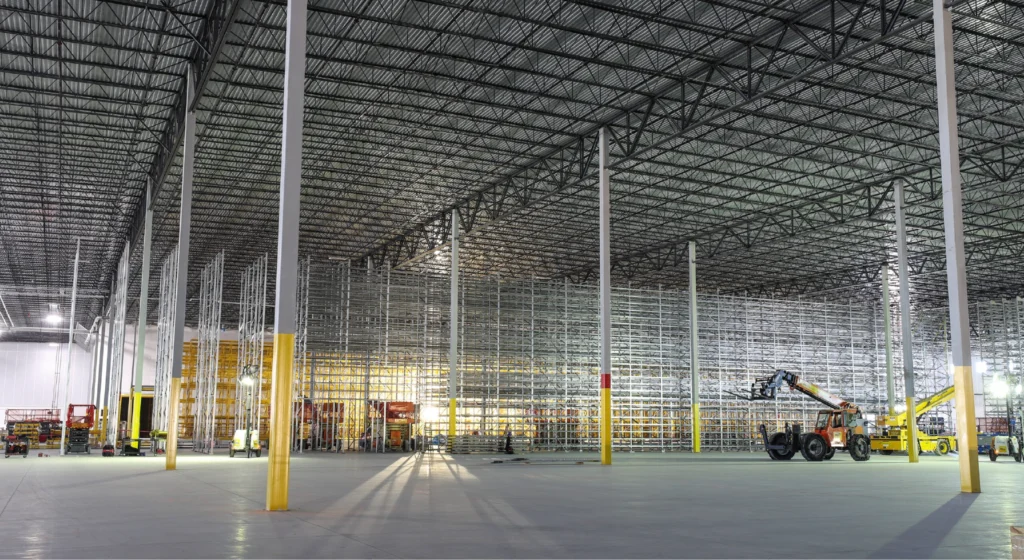
An empty warehouse generally eliminates many of the inventory and traffic challenges associated with installing rack in an active operation. But “empty” doesn’t necessarily mean installation-ready.
New construction and facility fit-outs may have several contractors working simultaneously, so access and project sequencing still matter.
Confirm The Installation Area Is Clear
The rack footprint should be clear and accessible when scheduled for installation. Before the crew arrives:
- Remove construction materials, equipment, debris, and other items from the installation area.
- Coordinate with other trades so their materials and equipment don’t block the rack footprint.
- Confirm the installation team has clear access to the work area.
- Keep the planned route from the unloading or staging area to the installation zone accessible for rack components and installation equipment.
Communicate Floor And Building Conditions
Known floor and building conditions that could affect the project should be identified before installation.
Check for conditions that could affect the installation area, including:
- Significant floor or slab damage
- Previous anchor locations
- Floor coatings
- In-floor utilities or systems
- Recent building modifications
Rack loads and anchoring requirements depend on the specific system and facility conditions. When slab capacity or other structural conditions require evaluation, that determination should be made by the appropriate qualified professionals before installation.
Coordinate Other Trades
An empty building can still be a busy jobsite.
Electrical, fire protection, lighting, flooring, conveyor, automation, and other contractors may all be working toward the same facility opening or project deadline. Their work areas, equipment, and schedules can overlap with the rack installation.
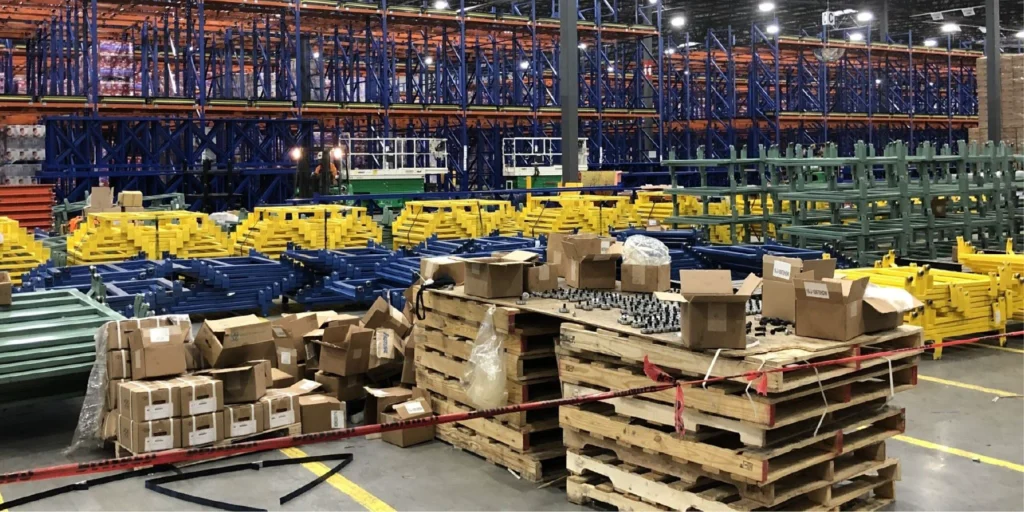
Coordinating these activities before installation helps prevent one trade from blocking access or requiring completed work to be revisited. The schedule should identify when an area will actually be available—not simply when rack installation is expected to begin.
Establish Delivery And Staging Areas
Rack components require room for unloading, organization, and staging. Designate an area where components can be kept together and verify materials for missing or transit-damaged items.
An agreed staging location also helps keep rack materials from interfering with other work occurring in the facility.
Preparing An Operational Warehouse For Pallet Rack Installation
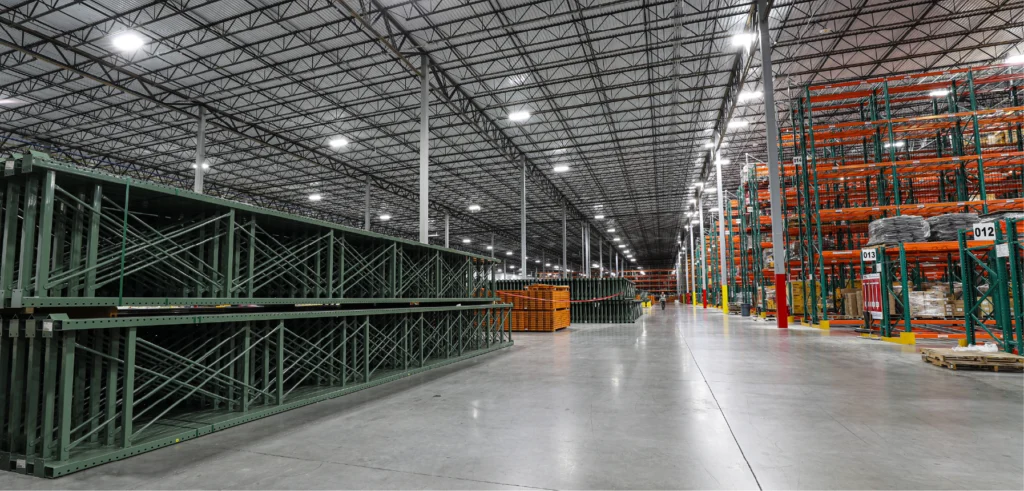
Installing pallet rack in an operating warehouse adds another consideration: the project has to coexist with the operation.
Inventory may need to move. Forklift routes may change temporarily. Receiving and shipping still need to function. Employees may need alternate paths around designated work areas.
The preparation plan should account for those realities before installation begins.
Clear The Scheduled Installation Zone
Determine which inventory, pallets, equipment, or other materials need to be moved and when. The goal is to have the scheduled work area clear and accessible when the installation team is ready.
For larger projects, that doesn’t necessarily mean clearing the entire warehouse at once.
What Is A Phased Pallet Rack Installation?
A phased installation divides a larger project into defined work areas or stages. One area can be cleared and released for installation while operations continue elsewhere. As work progresses, additional areas are made available according to the agreed project sequence.
Whether phased installation is appropriate depends on the project scope, facility layout, inventory movement, and operating requirements.
Plan Around Forklift And Pedestrian Traffic
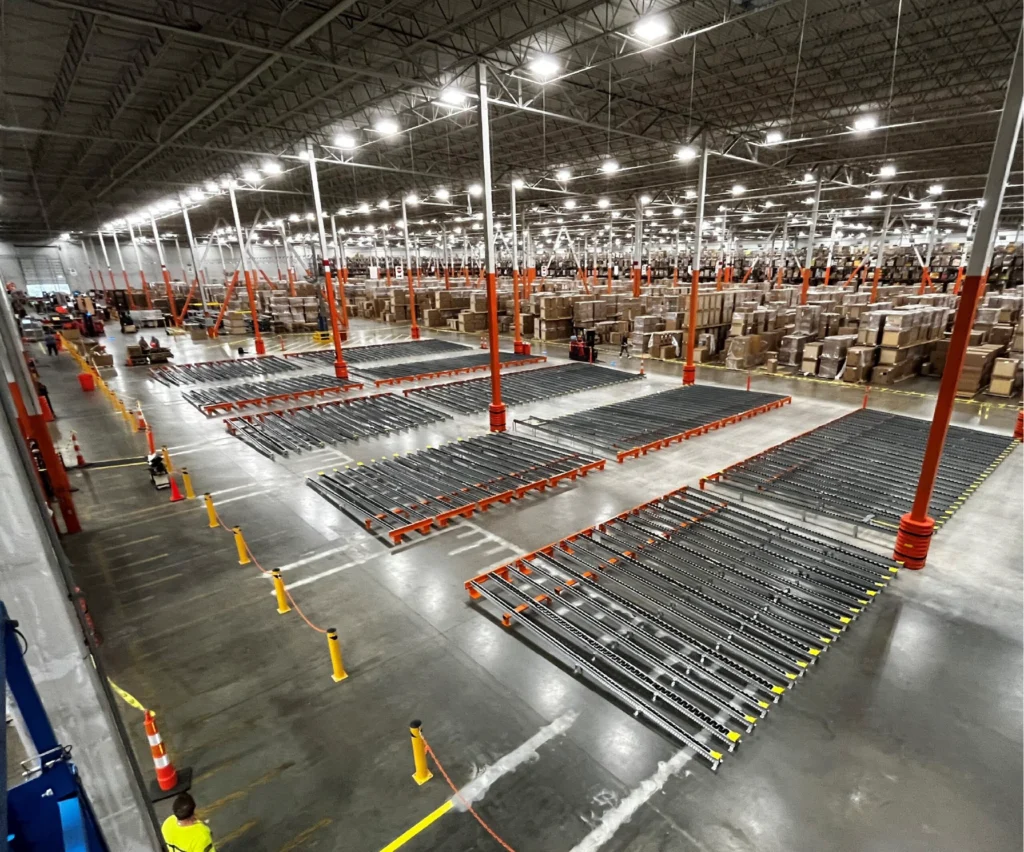
An installation zone changes the normal flow of an active warehouse.
Consider how forklifts, pallet jacks, employees, and other traffic will move around the scheduled work area. Alternate travel routes may be necessary to keep warehouse activity separated from installation activity and prevent normal operations from interfering with access to the project area.
Planning those routes in advance can help protect both safety and productivity while work is underway.
Protect Receiving And Shipping Flow
Rack deliveries and installation activity may require access to docks, overhead doors, travel lanes, or staging areas that are also critical to daily warehouse operations.
Before installation, coordinate expected delivery windows and determine how materials will move from receiving to the staging and installation areas. Also consider peak receiving or shipping periods, production schedules, and shift changes that could affect access.
Plan Inventory Moves Before You Need Them
If inventory has to move to make room for the project, determine where it will go and how those moves fit into the installation sequence.
This is particularly important during phased projects. The next installation area needs to be ready when the crew reaches that stage. Waiting until then to determine where inventory can be relocated can create unnecessary operational and project delays.
Pallet Rack Installation Readiness Checklist
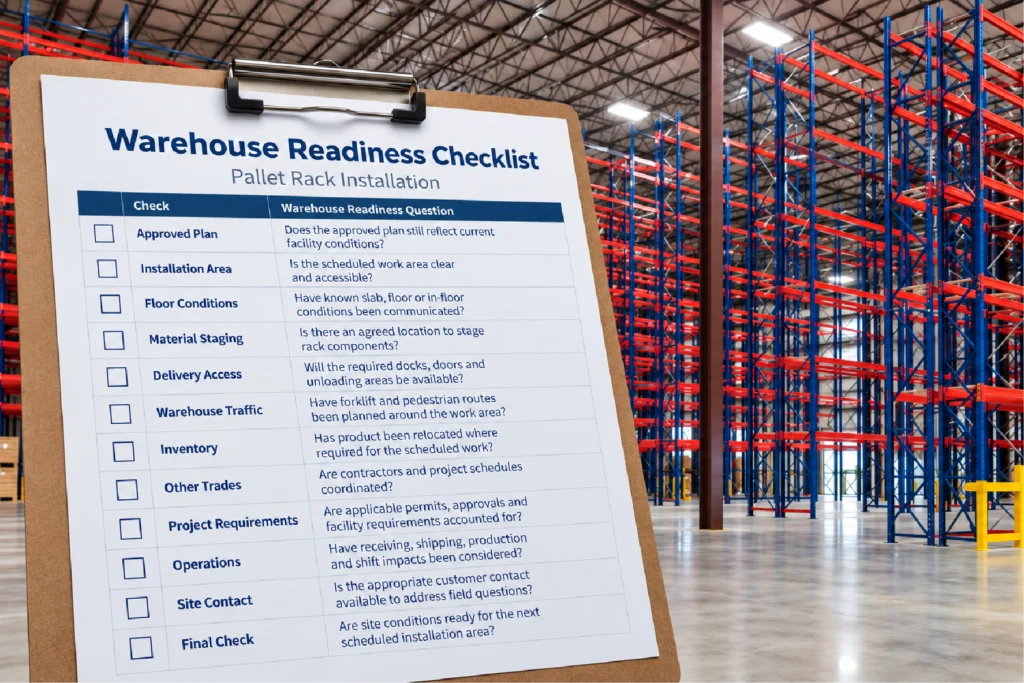
Every project is different, but these questions provide a useful final review before installation begins.
| Check | Warehouse Readiness Question |
| Approved Plan | Does the approved plan still reflect current facility conditions? |
| Installation Area | Is the scheduled work area clear and accessible? |
| Floor Conditions | Have known slab, floor or in-floor conditions been communicated? |
| Material Staging | Is there an agreed location to stage rack components? |
| Delivery Access | Will the required docks, doors and unloading areas be available? |
| Warehouse Traffic | Have forklift and pedestrian routes been planned around the work area? |
| Inventory | Has product been relocated where required for the scheduled work? |
| Other Trades | Are contractors and project schedules coordinated? |
| Project Requirements | Are applicable permits, approvals and facility requirements accounted for? |
| Operations | Have receiving, shipping, production and shift impacts been considered? |
| Site Contact | Is the appropriate customer contact available to address field questions? |
| Final Check | Are site conditions ready for the next scheduled installation area? |
For an active warehouse, revisit the checklist as the project progresses. A work area that was ready at the beginning of the project doesn’t automatically mean the next phase will be ready when the installation crew reaches it.
What Else Can Delay A Pallet Rack Installation?
A cleared installation area is important, but not every project delay comes from physical site readiness. A few less-obvious issues are worth addressing before work begins.
Last-Minute Project Changes
Changes made after drawings, materials, or schedules have been finalized can affect more than the item being changed. Depending on the project, a field change could affect materials, engineering, approvals, installation sequence, cost, or schedule.
When operational requirements change, communicate them to the project team so their impact can be evaluated before making adjustments in the field.
Facility-Specific Access And Safety Requirements
Some facilities have contractor orientations, security or check-in procedures, designated entrances or parking areas, restricted work hours, or site-specific safety requirements that must be addressed before work can begin.
Identifying these requirements in advance helps make sure crews can access the facility and begin scheduled work without waiting for administrative requirements to be completed.
Dependencies On Other Work
Rack installation may depend on work outside the rack project’s direct scope. Flooring, lighting, fire-protection systems, construction, inspections, utilities, or other equipment installations can affect when an area is actually available.
This is especially important in new facilities where several contractors may be working toward the same opening date. Coordinating dependencies helps keep work moving in the intended sequence.
Waiting For Field Decisions
Even a well-planned project can generate questions once work is underway. Establish who should be contacted and who has the authority to address project questions or approve necessary changes.
The objective isn’t to anticipate every condition that could arise. It’s to establish clear communication so unexpected conditions can be evaluated and resolved appropriately.
What Happens On Installation Day?
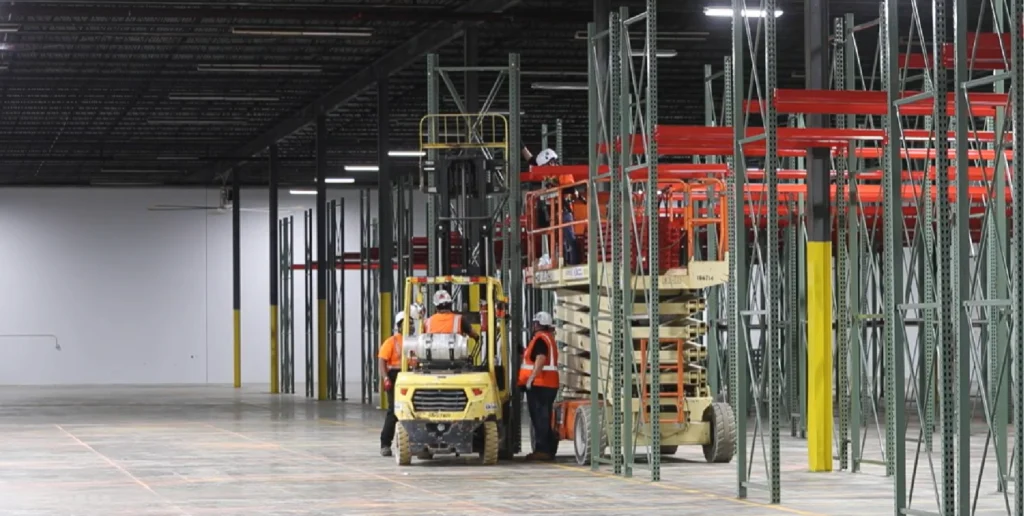
Once the site is ready, Apex takes it from there.
Apex’s professional pallet rack installation crews work from the approved project documentation and applicable manufacturer requirements. Installation methods and sequencing vary based on the rack system, project size, facility conditions, and operating requirements.
Apex can also provide project management and permitting services, coordinating with customers to help minimize disruption to ongoing operations.
Get Your Warehouse Ready With Apex
A successful pallet rack installation depends on more than the rack itself. The facility, inventory, material handling equipment, operating schedule, and other project activities all affect how the installation moves from approved plan to completed storage system.
Planning those details before installation day helps reduce avoidable interruptions while giving the installation team the access and information needed to keep the project moving.
If you are considering a new pallet rack system, facility expansion, or rack reconfiguration, talk with the Apex team about your project.
