
My Pallet Racking is Damaged, Now What? | Apex Safety Spotlight

How to Respond When You Spot Damaged Pallet Racking
Pallet racking is the backbone of your warehouse storage system. But what happens when that structure is compromised? Whether from a forklift strike, an overloaded rack, or accidental impact during loading and unloading, damaged pallet racking presents a serious safety and operational risk. Knowing what steps to take immediately can help prevent accidents, maintain compliance, and keep your operation running smoothly. In this spotlight, we’ll guide you through exactly what to do next.
First Things First—Recognize the Damage
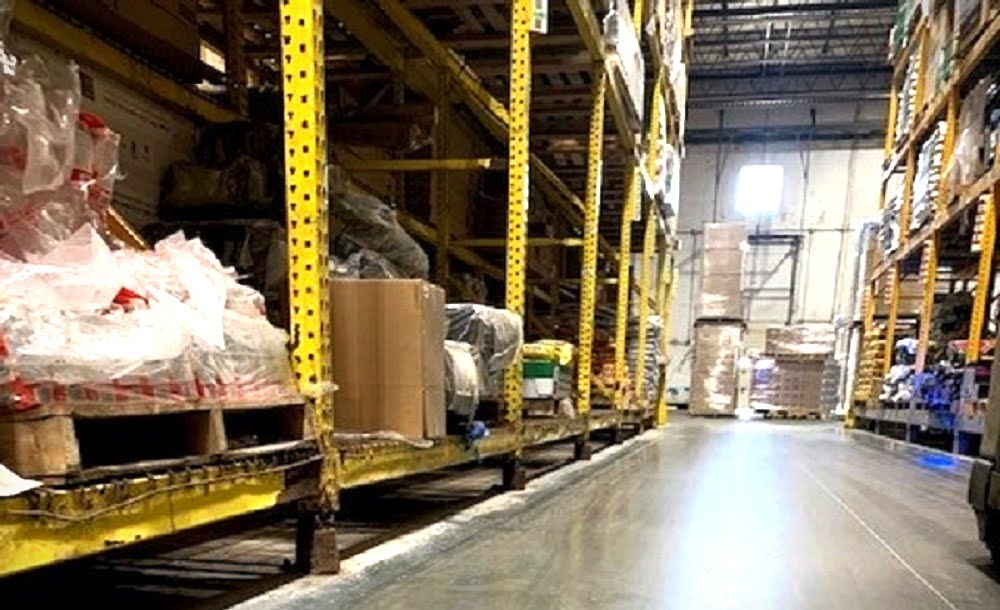
Rust & Low-Level Damage
Identifying early warning signs is critical to maintaining a safe and compliant warehouse environment. Below are common signs of damage you should train your team to spot:
- Forklift Strikes
One of the most common causes of rack damage comes from the hectic forklift activity in and around the unit. Forklifts can cause bends, dents, breaks, or structural misalignment. Each incident should be reported, as even “minor” bumps can compromise rack safety.
- Overloaded Shelves Causing Bending or Bowing
Exceeding the manufacturer’s recommended weight capacity may cause beams or uprights to sag or bow, leading to an uneven load and potential collapse.
- Damaged Floor Anchors
Missing, broken, or loosened floor anchors reduce rack stability. Without proper anchoring, racks can shift or topple, especially during seismic activity or further impacts. - Misaligned or Loose Connections
Cross beams or braces appearing broken, missing, or unseated connections must be remedied to ensure rack strength.
- Corrosion or Rust on Components
Rust weakens metal components, especially in environments with high humidity or chemical exposure. Corroded areas are often the first to fail under added stress.
Encourage Daily Observation and Reporting
Your best defense against serious rack damage is a vigilant workforce. Regular observation and timely reporting help catch minor issues before they become safety hazards. As part of your warehouse culture, encourage forklift operators and warehouse staff to stay attentive to rack damage and signs of wear and promptly communicate any concerns. This helps prevent minor problems from escalating.
Schedule regular, in-depth rack inspections, conducted by your internal team or a trusted source like the Apex PROs, to maintain compliance and avoid overlooked damage. Check out Apex’s free resources to support your internal pallet rack inspection training.
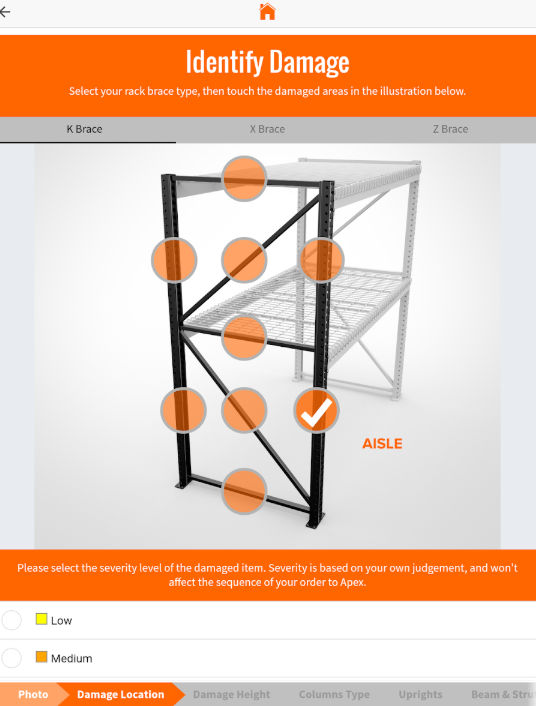
Now What? 5 Steps to Addressing Pallet Racking Damage
Step 1: Assess the Damage
Upon receiving a report of pallet racking damage, your first priority is to assess the risk to your team. The Apex PROs recommend using the free Apex Rack Repair App. With simple point-and-click screens, you can capture system specs and upload photos of the damage for quick evaluation.
The Apex team will review the information and provide the next steps, which may include further inspection, ordering repair kits or replacement parts, and guidance on whether the rack should be taken out of service or can remain in use.
The following table provides a quick reference guide to help you gauge the severity of rack damage:
Damage Level |
|
Criteria |
|
Action |
| Green Light But Don’t Ignore |
|
Monitor and correct promptly | ||
|
Yellow Light |
|
Call a professional inspector to review | ||
|
Red Light |
|
Unload immediately, mark off area, contact professional repair service |
Step 2: Contact a Professional for Evaluation & Pallet Rack Repairs
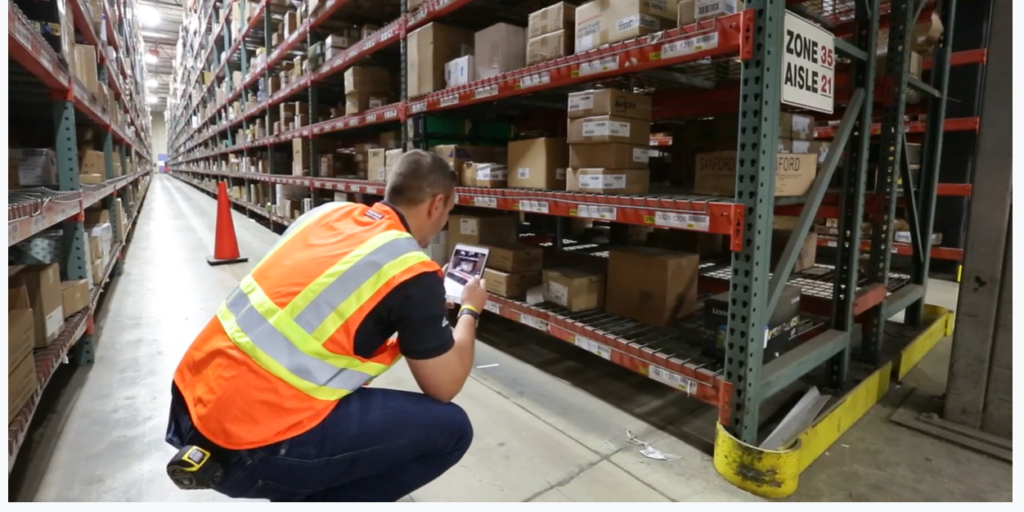
Apex PRO Pallet Rack Inspection
If the damage requires immediate attention, it’s in your operational best interest to engage a pallet rack repair expert. Professional repairs ensure compliance with OSHA and ANSI standards and rack manufacturer guidelines, preserving warranty protection.
Your rack specialist may recommend a custom repair kit or replacement parts to restore the system to full capacity.
Avoid DIY fixes.
Mismatching components or welding broken parts may seem like a quick, low-budget solution, but can lead to bigger problems. Mismatched components compromise system integrity, and welding—even by an expert—can result in:
- Invalidating the manufacturer’s warranty
- Reducing load capacity
- Eliminating the possibility for structural engineers to certify the rack
An improper repair means the original load rating can no longer be guaranteed. The safest and most reliable course of action is to rely on trained professionals. The Apex team provides fast, expert recommendations and custom-fit repair solutions to restore safety and performance to your warehouse operation.
Step 3: Log the Incident
Documenting any rack damage—no matter how minor—is essential for maintaining your system and supporting a strong safety program. After assessing the damage and contacting a professional, be sure to:
- Enter the event into your incident reporting system, including date, time, location, and details of the damage.
- Update your rack maintenance and inspection logs to reflect the findings and any actions taken.
- Record all corrective actions—such as repairs or replacements—for future reference and to demonstrate compliance during audits.
A well-documented incident history supports internal safety efforts, helps track recurring issues, identifies patterns, and ensures compliance with OSHA and company safety standards.
Scheduling your regular rack inspections with the Apex PROs takes this burden off your list! The Apex team updates your rack inspection records and actively monitors potential risks, such as repeat damage or worsening conditions, helping you avoid potential safety issues.
Step 4: Implement Corrective Action
 Once the damage has been assessed and logged, it’s time to implement the necessary corrective action. If you’re working with a professional rack inspection service, they will manage ordering and installing repair components and any recommended safety upgrades to help prevent future damage. Depending on the severity, corrective actions may include:
- Scheduling professional pallet rack repairs
- Ordering and installing replacement components
- Enhancing rack protection with add-ons like column guards, end-of-aisle barriers, or safety netting
- Adjusting load practices to prevent future issues
Be sure to communicate any changes or restrictions to your team so everyone is aware of updated safety protocols. Taking prompt, well-documented action reinforces a strong safety culture and helps maintain smooth, uninterrupted warehouse operations.
Step 5: Conduct a Post-Incident Review
After the immediate corrective actions are complete, take the time to review the incident and identify its root causes. This step is key to preventing future damage and improving overall warehouse safety.
Consider:
- Are there training gaps that need to be addressed?
- Do traffic patterns or tight layouts contribute to frequent rack strikes?
- Is additional rack protection or warehouse reconfiguration needed?
Use these insights to update employee training, adjust processes, and improve your warehouse layout where necessary. Just as importantly, communicate these changes clearly to all warehouse staff to ensure alignment and accountability moving forward.
Partnering with the Apex PROs makes this entire process easier, more efficient, and fully documented. From expert rack inspections and professional repairs to helping you identify and prevent future issues, the Apex team has you covered.
Contact the Apex PROs today to schedule your next rack inspection or to consult on rack repairs and warehouse safety solutions. Protecting your team and your operation is always priority one.
