
Push-Back Racking Maintenance Tips: What To Protect, Inspect, and Fix

How to Create the Ideal Push-Back Rack Maintenance Plan
For operations balancing a moderate SKU mix with medium- to high-volume pallet storage requirements, push-back racking provides a high-density storage solution that maximizes capacity within a compact footprint.
Unlike static pallet racking, push-back systems incorporate moving parts that directly affect pallet flow, load stability, and daily throughput. A maintenance plan that accounts for both the structural rack components and the mechanical elements (carts, rails, wheels, and lane accessories) gives your team the best chance of catching problems early and keeping the system running effectively.
Key Takeaway
Push-back racking relies on both structural integrity and properly functioning mechanical components to operate safely and efficiently. A maintenance plan that includes routine inspections of carts, rails, wheels, rack structure, and pallet condition helps prevent lane jams, reduce unplanned downtime, extend system life, and protect both employees and inventory.
What Is Push-Back Racking?
Push-back rack is a high-density pallet storage system designed to increase storage capacity while reducing the number of aisles required. Each lane is dedicated to a single SKU and uses a last-in, first-out (LIFO) inventory flow.
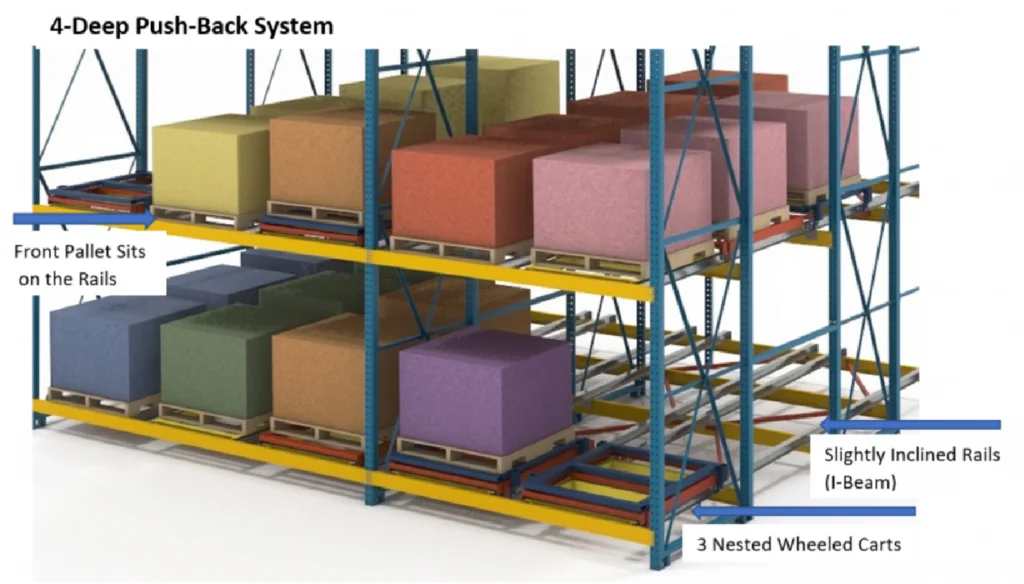
- Pallets are stored on nested wheeled carts that travel along inclined rails.
- Each new pallet pushes the previous pallets back into the lane.
- When the front pallet is removed, gravity moves the rear pallets forward into the pick position.
- Lanes are typically 2 to 6 pallets deep.
- Forklifts remain outside the storage lane, reducing rack and product damage compared to drive-in rack, a comparable high-density LIFO storage system.
Why Push-Back Racking Maintenance Matters
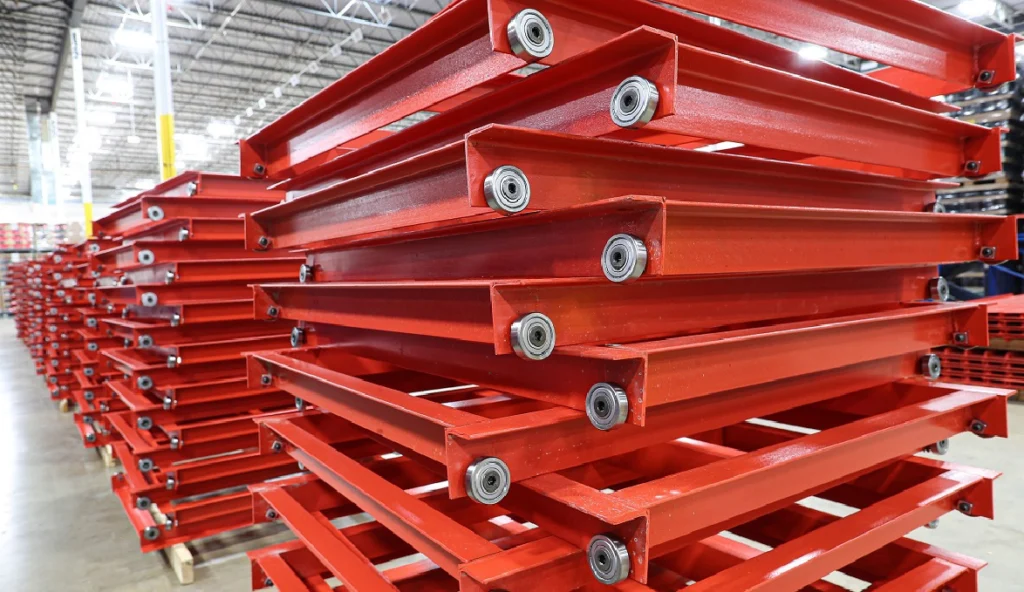
A routine maintenance plan for a push-back racking system is about more than structural condition. The mechanical components, like carts, wheels, rails, and bumpers, work together to move pallets forward and support loads safely.
When one element is worn, misaligned, or obstructed, it can affect the entire lane. Minor issues like a cracked wheel, debris-blocked rail, or misaligned cart can create jams, uneven pallet flow, and safety hazards that escalate quickly in a warehouse environment.
A consistent maintenance plan helps teams catch these problems early. It protects inventory, prevents unplanned downtime, and extends the system’s useful life.
Inspection frequency should reflect how heavily the system is used, but push-back racking should be checked as part of regular warehouse walkthroughs and always after any impact event or unusual cart behavior. Periodic professional rack inspections can also identify damage and component wear that may not be obvious during routine in-house checks.
Components of a Push-Back Rack System
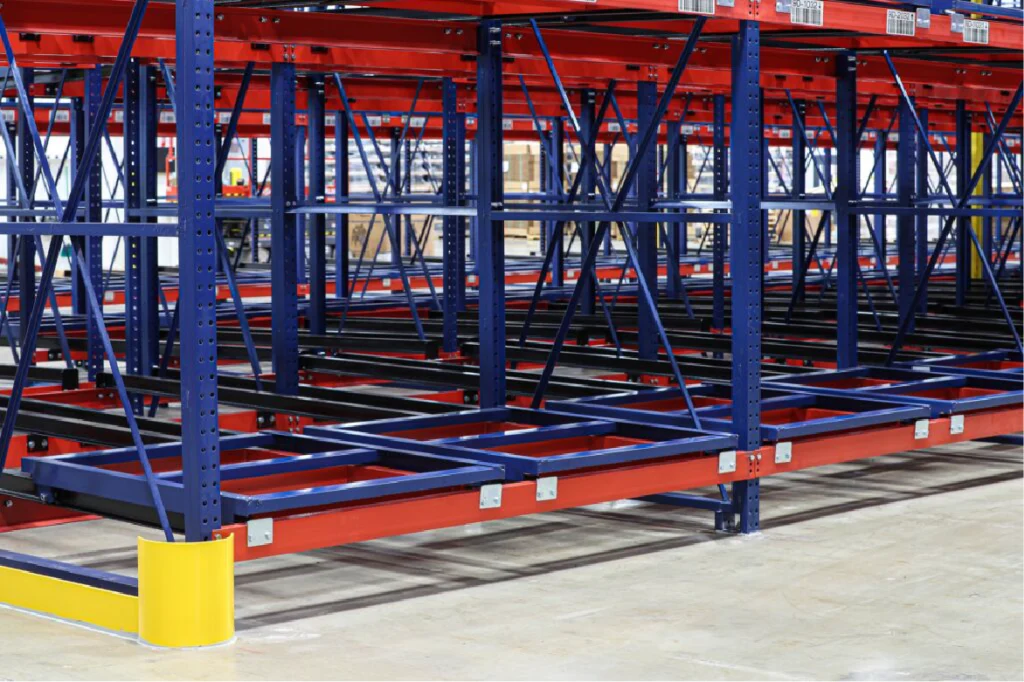
Each component of a push-back system plays a role in structural integrity and pallet flow. Understanding how these parts work together helps teams know exactly what to inspect, protect, and maintain.
Key components of a push-back rack system include:
- Uprights and beams: The structural backbone of the system. Uprights support the full load of pallets at every depth, while beams connect uprights and define storage levels. Any damage to these components could affect the entire rack section.
- Nested carts: Wheeled carts that stack inside one another and carry pallets along the inclined rails. The number of carts per lane is one less than the lane depth. For example, a 4-pallet-deep lane uses three nested carts. The front pallet position sits directly on the rails.
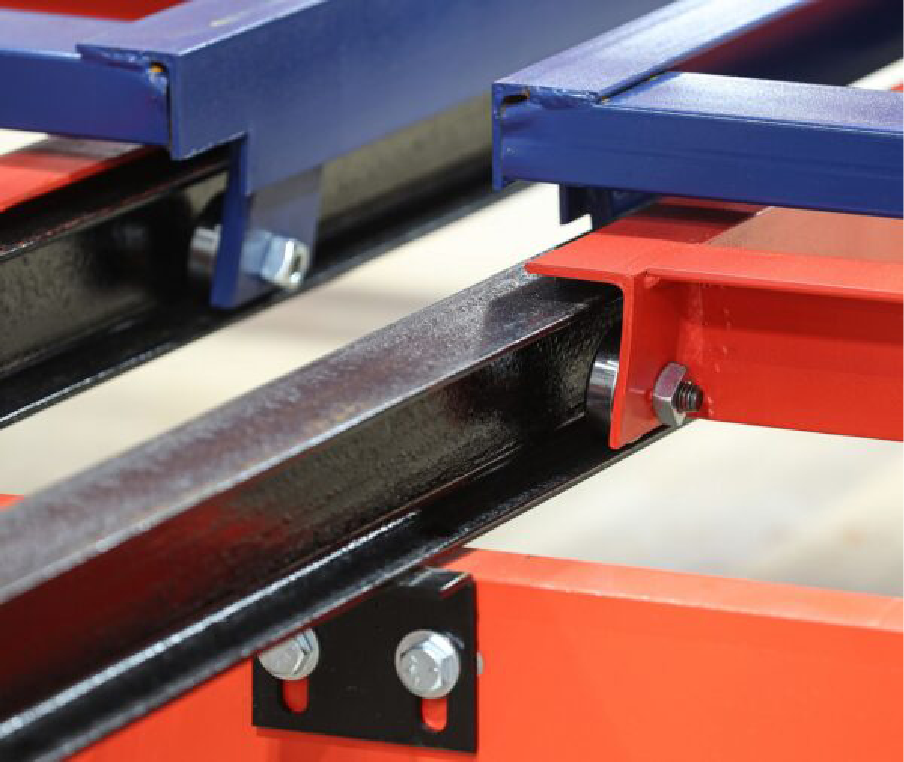
- Inclined rails: Steel rails installed at a slight downward slope toward the pick aisle. This incline allows carts to roll forward by gravity when a pallet is removed. Rail alignment and surface condition directly affect cart travel and pallet positioning.
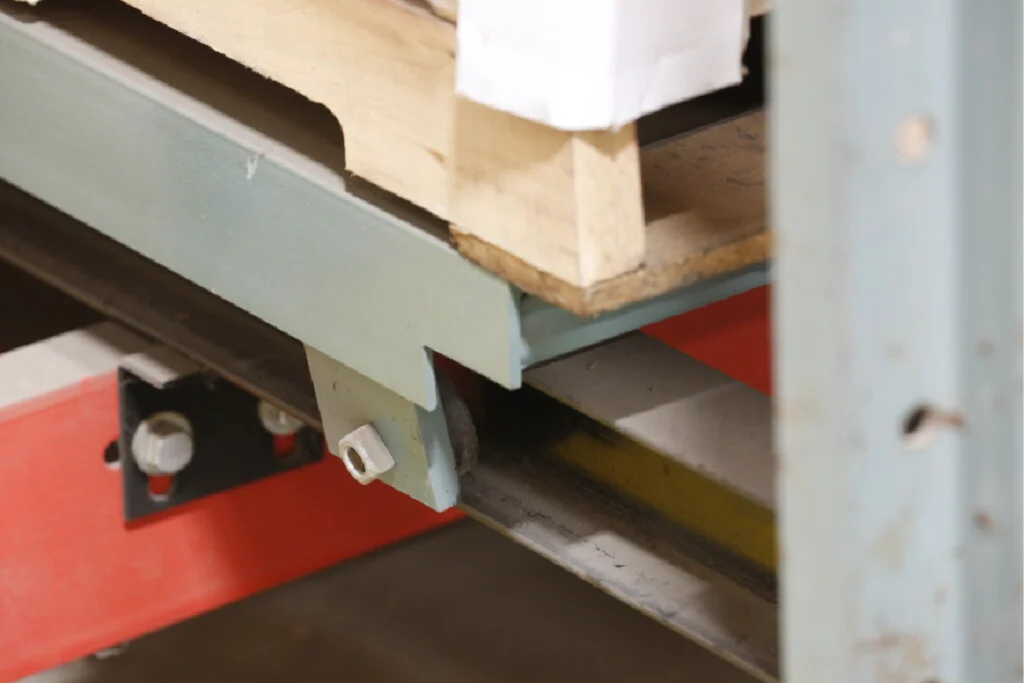
- Wheels and bearings: Cart wheels ride the rails and must rotate freely under load. Pre-lubricated wheels are designed for long service life but can develop flat spots, cracks, or debris build-up that disrupts pallet flow.
- Front-end bumpers: Where installed, should be checked regularly for damage and secure attachment. Damaged or missing bumpers can allow returning carts to strike the front beam, potentially accelerating wear on both the cart system and rack structure.
- Anchors and baseplates: Connect uprights to the floor and provide the base stability the entire system depends on. Loose or missing anchors and damaged baseplates compromise the structural integrity of the rack.
- Row-end guards and column protection: Protective accessories at the aisle face that reduce impact damage to uprights from forklift traffic during loading and unloading.
Sample Push-Back Rack Maintenance Schedule
- Daily: Check visible damage, pallet condition, cart movement at the pick face, and lane housekeeping
- Weekly: Inspect rails, carts, wheels, bumpers, guards, and any repeated impact areas
- After Any Impact: Evaluate before returning the affected lane to service
- Quarterly: Inspect carts, rails, and safety accessories; clean rails if exposed to moisture or dust; check floor anchors, beam connections, and pallet bumpers
- Annually: Schedule a professional rack inspection
What to Inspect as Part of Your Push-Back Racking Maintenance Plan
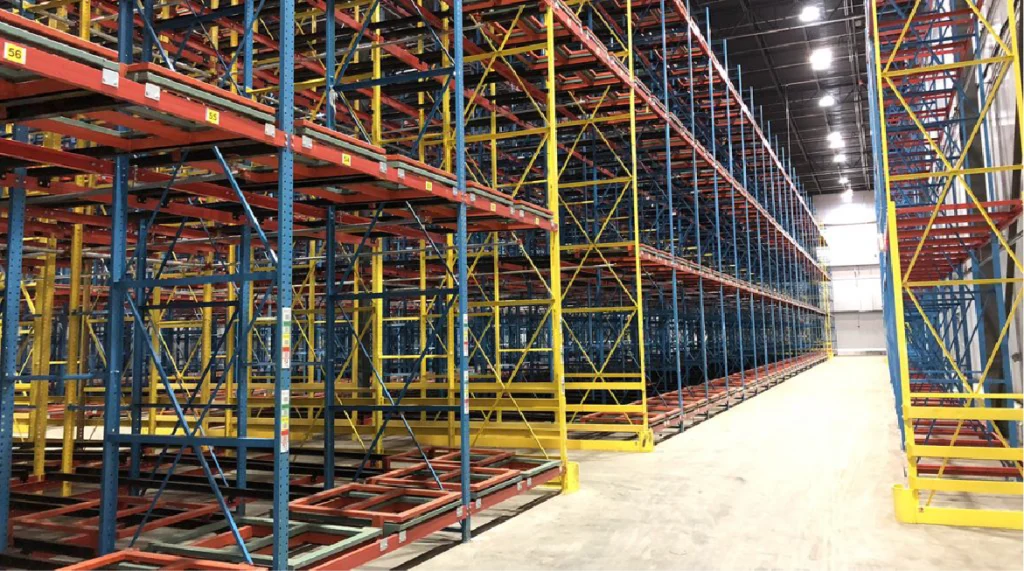
All visible damage should be documented and evaluated before the lane stays in service. Start with these main inspection points:
- Front uprights and aisle-facing columns: These take the most exposure from forklift traffic during loading and unloading. Check for bends, scrapes, deformed baseplates, and repeated impact patterns.
- Cart travel and wheel condition: Observe carts during normal operation. Carts should roll forward smoothly and nest cleanly. Look for hesitation, binding, or uneven movement. Inspect wheels for flat spots, chips, cracks, or debris buildup that could disrupt flow or stress the rails.
- Rail alignment and damage: Check for consistent rail-to-rail spacing down the full length of the lane. Look for bumps, dips, bent sections, broken welds, loose or missing hardware, and any debris or foreign material that could obstruct cart travel.
- Front-end bumpers: where installed, should be checked regularly for damage and secure attachment. Damaged or missing bumpers can allow returning carts to strike the front beam, potentially accelerating wear on both the cart system and rack structure.
- Anchors, baseplates, and beam connections: Check for loose anchors, movement at the floor connection, damaged baseplates, and any cracks in the surrounding concrete. Verify beam connections are secure with no missing or loose hardware.
- Pallet condition and proper placement: Pallets must match the size and type the system was designed for. Inspect for broken boards, exposed fasteners, or inadequate unitization of the load. A damaged or improperly loaded pallet can jam the lane or create a safety hazard deeper in the system.
- Debris and obstructions in lanes: Broken pallet boards, loose wrap, and other debris can accumulate inside lanes and block cart travel. If debris is present, the affected section should be unloaded before cleaning.
What to Do When a Pallet Hangs Up
A pallet that does not return smoothly to the pick position can be a sign of an obstruction, damaged component, pallet problem, or improper loading. A pallet may also need some help moving forward after sitting in the lane for an extended period.
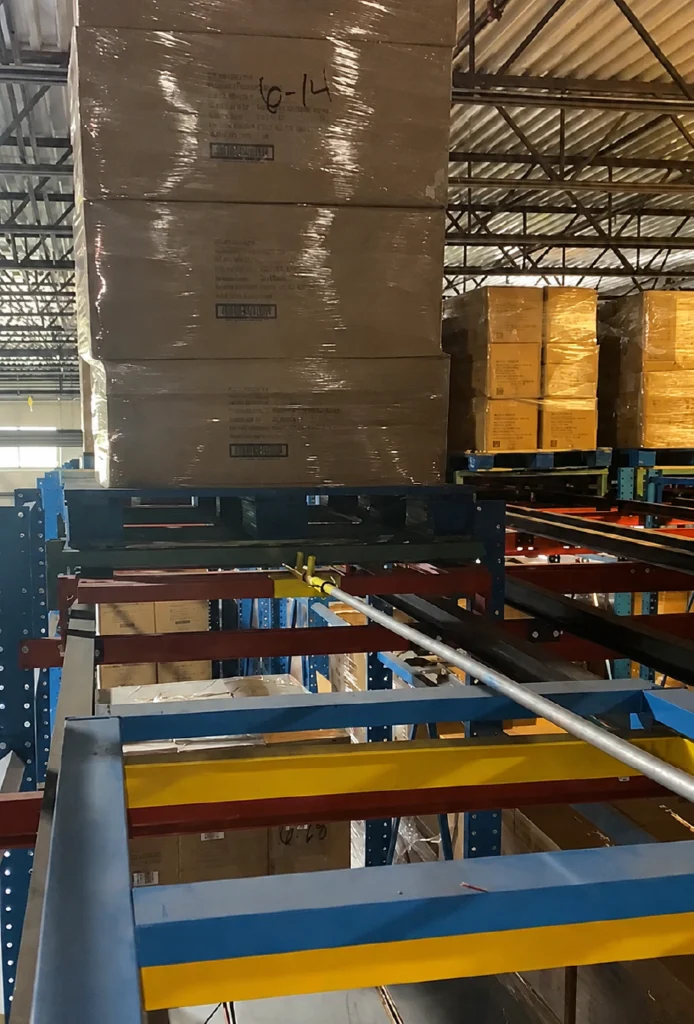
When a pallet hangs up, start by purging the lane. This is the simplest way to prompt a stuck pallet to move forward and should be attempted before moving to other retrieval measures. Return the front pallet to the lane and gently push it back against the rear pallet to help free the stuck load. Then slowly back out, removing the front pallet and allowing the rear pallet to travel forward toward the pick position.
If purging does not release the pallet, Apex has a cart retriever tool that is worth having on hand. The tool uses the accessible carts at the front of the lane to reach and capture the stuck cart, then carefully bring it forward toward the aisle without entering the rack system.
If the cart retriever does not correct the problem, stop using the affected lane and report the issue for further evaluation.
Never physically enter the push-back rack system to clear a stuck pallet, cart, or obstruction.
Once the pallet is retrieved, determine why the hang-up occurred before returning the lane to normal service. Check for pallet damage, debris, damaged carts or wheels, rail obstructions, or other conditions that could interfere with proper cart travel. Repeated hang-ups in the same lane can indicate an underlying maintenance or operating issue that needs to be corrected.
What to Do When Damage Is Found
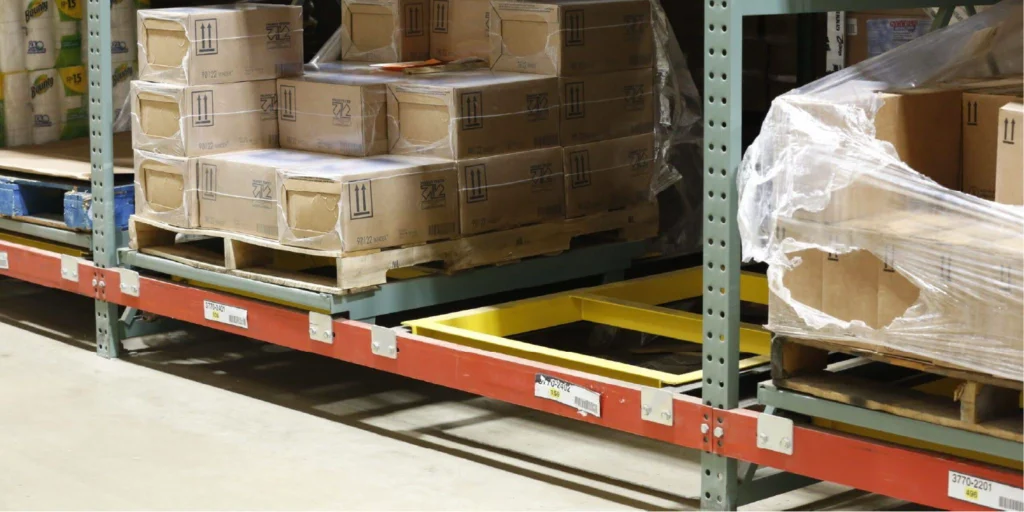
When damage or abnormal cart behavior is found, the first step is to document the location and component involved. Photos help determine severity and support a proper evaluation.
Repeated issues in the same lane or at the same cart position are a pattern. They may point to an operating habit, pallet quality issue, or a component that needs repair or replacement.
The Apex Rack Repair App gives in-house teams a simple way to capture that information in the field. Teams can document damaged components, upload photos, record location details, and submit findings directly to the Apex PROs for evaluation. From there, Apex can help determine the severity level, identify potential safety hazards, and provide repair kit recommendations and repair estimates as needed.
With the right documentation and expert support, warehouses can make informed repair decisions before damage impacts safety or performance.
Rely on Apex PROs For Inspections and Repairs
Routine in-house checks are not a replacement for professional rack inspections when the system shows visible damage, recurring cart problems, or questions about continued safe use.
Apex can support your team with:
- Professional rack inspections: A certified rack auditor will identify structural damage, component wear, and safety risks, and classify their severity. They will also note where operating habits or system design may be contributing to recurring issues.
- Damage evaluation: Not all damage is equal. Some affect only cosmetics; some compromise cart clearance, rail alignment, or load support. A proper evaluation determines what needs immediate action and what should be monitored.
- Rack repair recommendations: The goal of repair is to restore the structural integrity and mechanical function of the system. See what to know about pallet rack repair for more on what that looks like in practice.
- Protection improvements for recurring impact areas: Where impact damage keeps happening, better protection is often the long-term answer. That may include row-end protectors, single-column guards, or improved lane entry markings to support more consistent forklift approaches.
Keep Push-Back Racking Safe, Efficient, And Ready To Perform
Push-back racking depends on both structural integrity and mechanical reliability to perform as intended. Regular inspections, prompt attention to damage, safe operating habits, and proper pallet quality all contribute to safer operation, smoother pallet flow, fewer lane disruptions, and longer system life.
If your push-back racking system needs inspection, repair, or better protection at the aisle face, contact the Apex team. We can help you assess system condition, evaluate damage, and recommend practical next steps to support safe, long-term performance.
Contact the Apex Team and get help protecting your push-back racking system today.
