
Pallet Rack Stability Is More Than Meets the Eye | Apex Safety Spotlight

How Rack Design, Components, and Maintenance Work Together to Support a Safe Storage System
Most warehouse professionals recognize obvious rack damage – a bent upright, broken strut, or visible rust and corrosion. What isn’t always obvious is how that damage can affect the stability of the entire rack structure.
Pallet rack systems are engineered to safely transfer loads through every supporting component. When one component is damaged, missing, or modified, the system may no longer perform exactly as it was designed.
Understanding pallet rack stability helps warehouse teams recognize why inspections, repairs, and proper design all play an important role in maintaining a safe storage system.
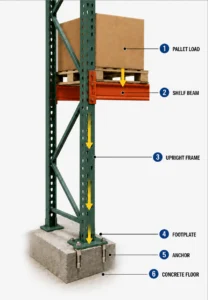 Key Takeaway: Every Component Counts
A pallet rack system is engineered to function as a complete structure. Even damage that appears minor can change how loads move through the system. Prompt reporting and professional evaluation help maintain rack stability, ensure warehouse safety, and support day-to-day operations.
What Is Pallet Rack Stability?
Pallet rack stability is the ability of a rack system to safely support and transfer loads while maintaining its structural integrity during normal warehouse operations. Unlike load capacity—which defines how much weight a rack is designed to support—stability refers to how the entire system performs under that load.
When a pallet is placed on a rack, its weight isn’t carried by the beams alone. Instead, it is transferred through a continuous load path that moves from the beams to the upright frames, through the baseplates and anchors, and ultimately into the concrete floor.
Each component contributes to that load path:
-
Beams support stored pallets.
-
Uprights transfer loads downward.
-
Bracing helps stabilize the upright frames.
-
Footplates and anchors distribute loads into the floor.
-
Beam connectors and safety locks help maintain secure beam engagement.
Because these components function as a single engineered system, the condition of every part affects the rack’s overall performance.
How Damage Can Compromise Pallet Rack Stability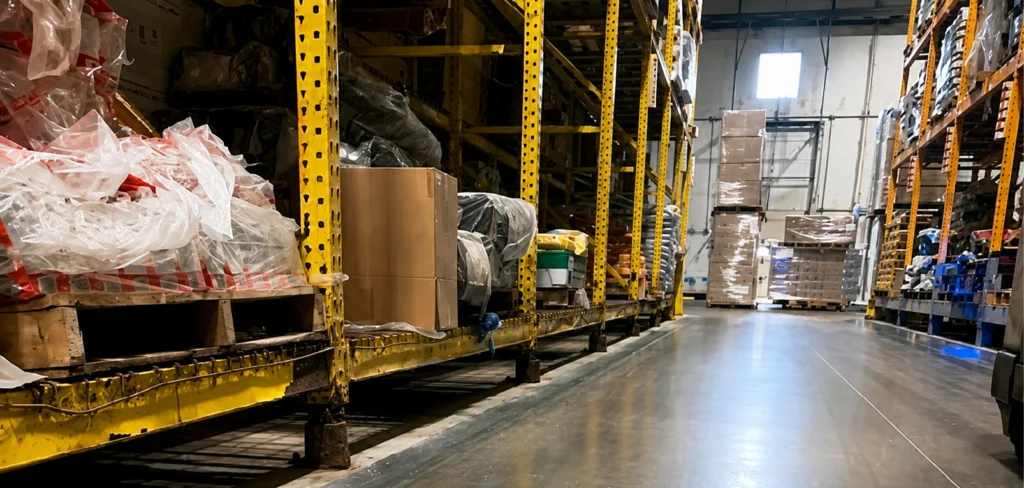
Not all rack damage has the same impact, but every damaged component deserves attention. Forklift impacts remain one of the leading causes of rack damage, but stability can also be compromised by corrosion, overloaded beams, loose or missing hardware, damaged anchors, and unauthorized modifications. Even conditions that appear minor at first glance may require further evaluation if they affect a load-bearing component or critical connection.
Common conditions that can affect pallet rack stability include:
-
Bent or creased uprights reduce the column’s ability to safely carry vertical loads.
-
Buckled or damaged bracing (struts) can reduce the frame’s ability to resist movement and maintain alignment.
-
Damaged or missing anchors, damaged baseplates, or shifted shims can compromise the rack’s connection to the floor and reduce frame stability.
-
Bent or overloaded beams showing excessive deflection, creasing, or damaged connectors.
-
Loose or missing safety clips may prevent beams from remaining properly engaged.
-
Significant corrosion or rust, which results in material loss, can weaken structural components over time.
-
Multiple damaged components in the same rack row or repeated impacts in a single area may indicate a larger operational or layout issue.
Rack stability can also be affected by changes in storage requirements over time, including pallet size, load weight, beam elevations, or rack configuration.
The severity of damage isn’t determined by appearance alone. Its significance depends on the affected component, the extent of the damage, the rack design, and the loads being stored. A professional rack inspection can determine whether the condition should be monitored, repaired, or removed from service.
Why Rack Inspections Matter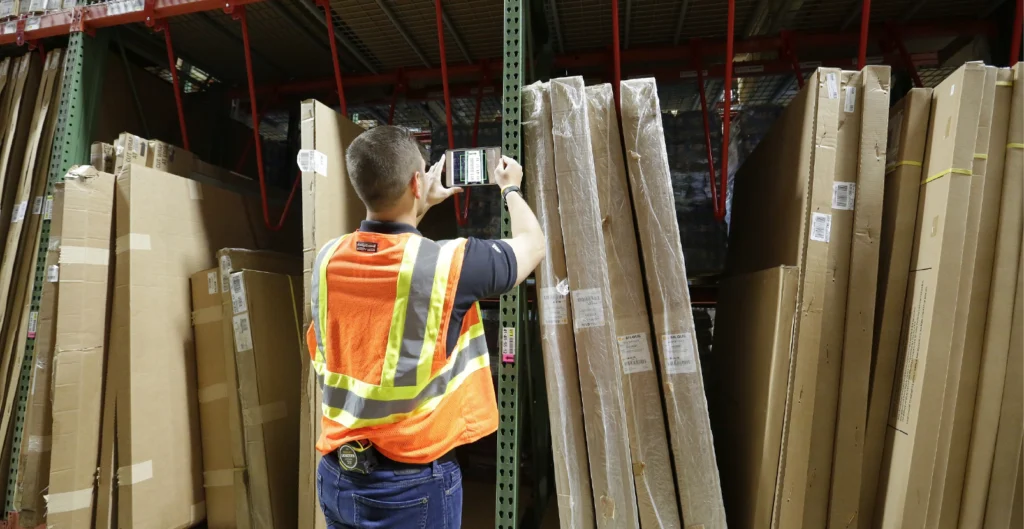
Rack inspections should include both routine in-house checks and periodic professional evaluations. Together, they help identify damage early, prioritize repairs, and maintain the long-term safety and performance of your pallet rack system.
✔ Encourage immediate damage reporting. Employees should be trained to report forklift impacts, damaged rack components, loose hardware, or other safety concerns as soon as they occur. Prompt reporting helps prevent damaged racks from remaining in service and allows issues to be evaluated before they become more serious.
✔ Perform routine in-house inspections. Regular walk-throughs help warehouse teams identify visible issues, such as bent components, loose anchors, missing safety clips, corrosion, or new damage following a forklift impact. These inspections reinforce a proactive safety culture and help ensure damage isn’t overlooked.
✔ Schedule periodic professional inspections. A qualified rack inspector can evaluate the location and severity of damage, assess structural components and critical connections, identify recurring damage patterns, and recommend whether repair, replacement, unloading, or engineering review is appropriate.
Inspection records also support maintenance planning by documenting damage, tracking recurring problem areas, and helping teams identify broader operational issues, such as inadequate rack protection, changing traffic patterns, or repeated impacts in the same location. Maintaining these records can also demonstrate a proactive maintenance program during OSHA inspections.
7 Steps to Protecting Pallet Rack Stability Over Time
Maintaining pallet rack stability requires more than responding to visible damage. A proactive approach can help reduce impacts, prevent unauthorized changes, and keep the storage system aligned with current operating needs.
-
Train forklift operators. Reinforce safe travel, loading, and maneuvering practices around rack structures, especially in high-traffic or narrow-aisle areas.
-
Report rack impacts immediately. Even a seemingly minor strike should be documented and reviewed so damage is not overlooked or allowed to worsen.
-
Use approved replacement components. Damaged beams, braces, connectors, anchors, and other parts should be repaired or replaced with components that are appropriate for the rack system and application.
-
Do not modify rack without review. Moving beams, removing bracing, changing frame configurations, or making field repairs can alter how the system performs. Proposed changes should be reviewed by a qualified rack professional or engineer.
-
Keep load plaques current and visible. Capacity information should reflect the rack’s actual configuration and the loads being stored.
-
Schedule regular rack inspections. Combine routine in-house checks with periodic professional inspections to identify damage, track recurring concerns, and prioritize corrective action.
-
Review the rack design when operations change. New pallet sizes, heavier loads, different lift equipment, revised aisle layouts, or changing inventory profiles may require a design review.
Protecting rack stability is an ongoing process. Training, reporting, maintenance, inspections, and design reviews all help ensure the system continues to support the operation safely and as intended.
Support Long-Term Rack Safety With Apex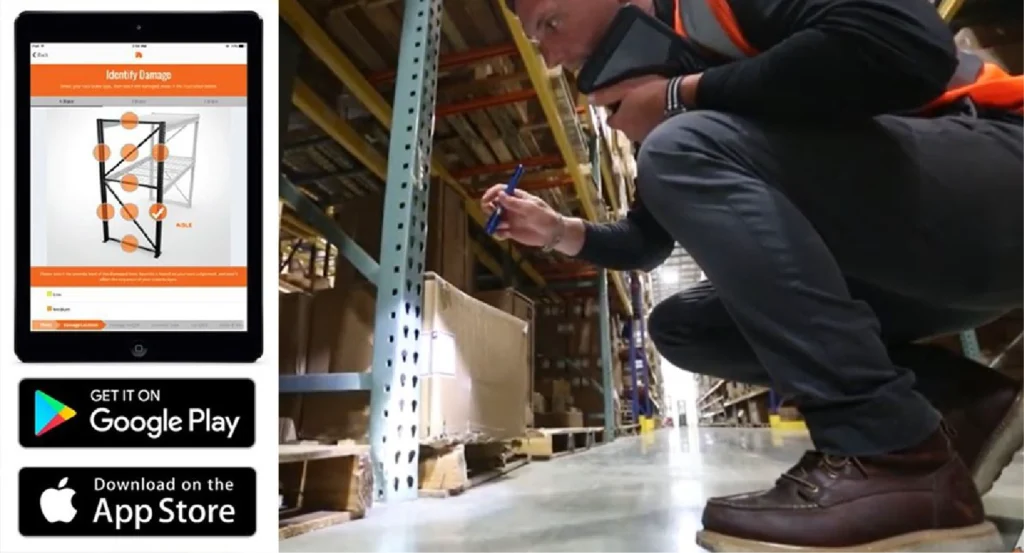
Pallet rack stability is not determined by one beam, upright, brace, or anchor. It depends on the condition, configuration, and performance of the entire rack system. Understanding how those components work together helps warehouse teams recognize why damage should be reported promptly, evaluated carefully, and addressed with the appropriate repair or replacement solution.
Facilities that have experienced rack impacts, corrosion, layout changes, recurring damage, or changing storage requirements may benefit from a professional rack inspection or design review. The Apex PROs can evaluate existing conditions, identify areas of concern, and recommend practical next steps based on the rack system and application.
For routine damage assessments, warehouse teams can also use the free Apex Rack Repair App. The app guides users through documenting rack damage and capturing critical system details, which can then be submitted to Apex for review and repair or replacement recommendations.
Contact Us to schedule a professional rack inspection or speak with a rack safety expert.
Frequently Asked Questions
What affects pallet rack stability?
Pallet rack stability depends on every structural component working together, including uprights, beams, bracing, anchors, baseplates, and beam connections. Damage, corrosion, missing components, improper modifications, and overloaded racks can all affect stability.
Can minor rack damage affect stability?
Yes. While some damage may be cosmetic, bends, buckling, missing hardware, corrosion, or damaged anchors can affect structural performance. Suspected damage should be reported promptly and evaluated by a trained inspector to determine whether the rack can remain in service or requires unloading, repair, replacement, or engineering review.
