
Maximizing Safety and Efficiency in Colorado’s Tall Pallet Rack Systems

Tall Pallet Rack Systems – Essential Safety Tips for Colorado Warehouses
When it comes to installing and utilizing tall pallet rack systems in warehouses across Colorado, safety should be your top priority—both figuratively and literally. With the unique demands of Colorado’s diverse industries, these racks, often towering 30 feet or more, bring additional considerations to ensure both product security and employee safety. From the high-altitude warehouses in Denver to the bustling distribution centers in Colorado Springs, it’s not just about setting up shelves; it’s about meticulous planning and implementation tailored to our region’s specific needs.
Here are key factors to consider as you design and implement your tall warehouse pallet rack system:
1. Secure Installation:
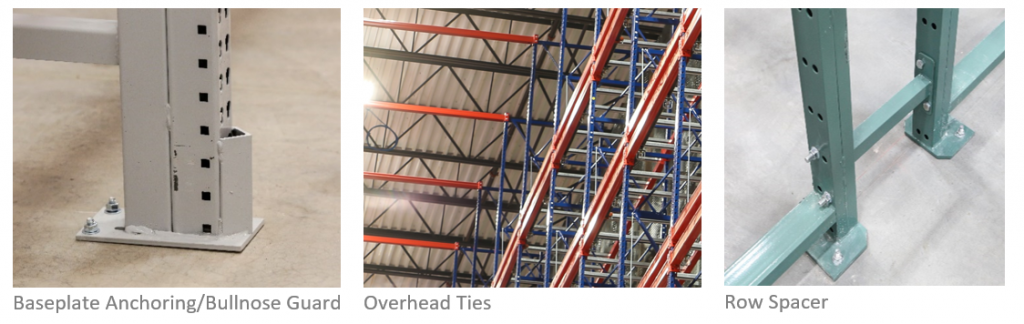
Tall pallet racks must be securely anchored to a concrete floor using anchor bolts through the baseplate of upright columns. For added stability and load capacity assurance, multiple rows of racking can be connected with overhead ties and row spacers. Avoid anchoring single racking rows to building structures without approval from a building engineer, as this can stress the building beyond design limits.
2. Weight Capacity:
Know the load capacity of your pre-configured pallet rack system. Overloading is a primary cause of malfunctions and accidents. Display updated load capacity charts prominently to ensure racks are not inadvertently overloaded.
3. Traffic Protection:
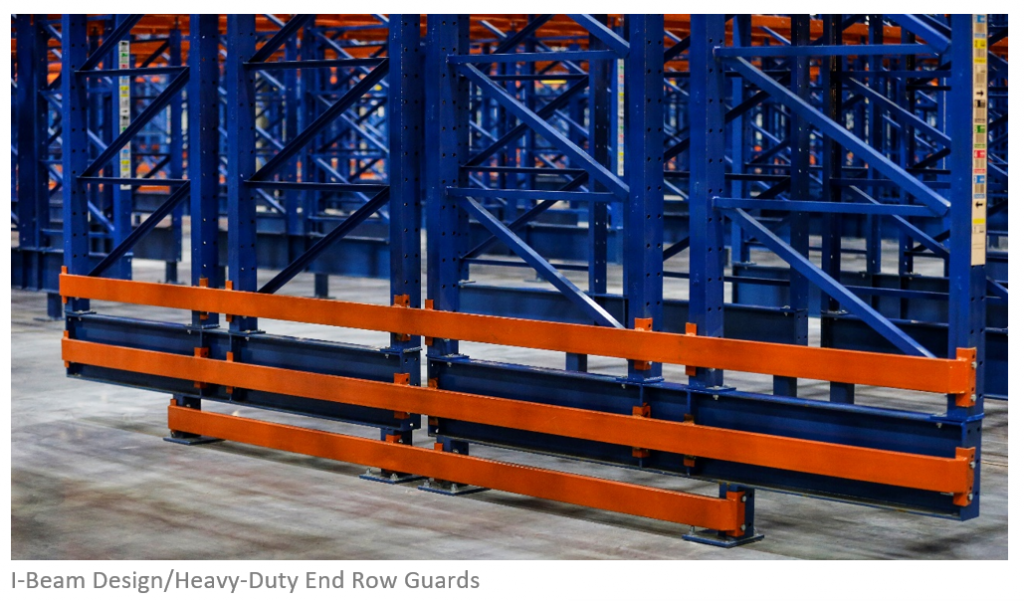
Racking near heavy forklift or equipment traffic should be equipped with post protectors and end-row guards. Steel guardrails are also helpful in defining forklift routes to minimize damage from equipment impacts. Netting and wire mesh panels prevent materials from spilling into the traffic lanes, potentially harming workers.

4. Regular Inspections:
Thorough rack inspections are crucial for maintaining warehouse safety. Inspections must assess physical damage as well as potential misuse, overloading, and crowded flue spaces to ensure proper utilization. Promptly addressing these issues prevents injuries, inventory damage, and system failures.
Audits should include:
Bent, broken, or missing components
Missing or out-of-date load plaques
Unsecured beam to upright connections
Loose or missing anchors,
Crowded flue spaces
Beam overloading
Rack out-of-plum
Excess unsupported span
5. Scheduled Maintenance:
Implement regular maintenance alongside inspections to address any issues promptly. Unloading rack bays may be necessary for thorough repairs, but proactive maintenance prevents downtime, inventory damage, and potential worker injuries.
6. Professional Assistance:
Never modify rack structures without professional guidance. Use custom repair kits for substantial damage to ensure rack integrity after the repair. The Apex PROs provide reliable and independent repair kit solutions –contact us to learn more!
7. Proper Loading Protocols:
Train personnel in proper loading techniques to prevent accidents and ensure load stability. Avoid stacking items unless the rack system is designed expressly for that load type. We recommend forklift operator training specific to each pallet rack system type in your facility, i.e., push-back, pallet flow, or drive-in. Training videos can be found on our website to support your efforts.

By prioritizing safety and following these guidelines, you can optimize the efficiency and safety of your tall warehouse pallet rack system. Contact your local Apex Colorado team for professional rack inspection services, safety guidance, and tailored storage solutions. Let us help ensure that your warehouse operates at peak efficiency with maximum safety.
