
Key Differences Between Warehouses and Fulfillment Centers: What Carolinas Businesses Should Know


How to Use Warehouses and Fulfillment Centers Cost-Effectively
Although the terms are sometimes confused or used interchangeably, warehouses and fulfillment centers function differently and support distinct parts of the supply chain. Both are vital to the continued growth of e-commerce—especially as businesses across North and South Carolina adapt to increased online demand—but recognizing how they differ can help your operation reduce costs, improve efficiency, and simplify logistics.
Each type of facility acts as a storage point for inventory prior to shipment, but they typically serve separate business needs and customer expectations. Understanding which space aligns best with your operation allows for more strategic decision-making around inventory management and order fulfillment.
What Is the Role of a Fulfillment Center?
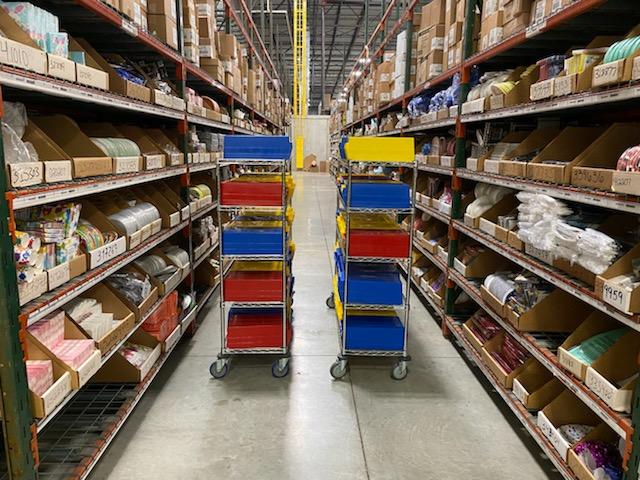
Fulfillment centers are built to handle fast-moving inventory and are structured for quick processing and shipment. They support both business-to-business (B2B) and business-to-consumer (B2C) operations but are primarily focused on short-term storage and shipping smaller packages directly to end customers. Unlike warehouses, which typically store goods without customer interaction, fulfillment centers offer services that directly impact the buyer experience.
Many companies in Georgia and the Carolinas rely on third-party logistics providers (3PLs) to manage their fulfillment needs. These providers serve multiple clients and offer streamlined order processing with responsive customer support. Their systems are designed to adapt to changing inventory demands—such as seasonal shifts—and provide precise SKU tracking to help businesses maintain accurate stock levels and reduce the risk of backorders or overselling.
Advantages and Key Points
Pros
- Quick and precise order handling
- Customer service support delivered by trained professionals
- Streamlined picking, packing, and shipping operations
- Skilled staff focused on efficiency and cost control
- Accurate inventory management and oversight of stock quantities
- Opportunities to reduce shipping expenses
Key Considerations
- Storage charges may apply if inventory turnover is slower than expected
- Outsourcing customer interaction and quality control requires selecting a trusted 3PL partner
Understanding Warehouse Functions
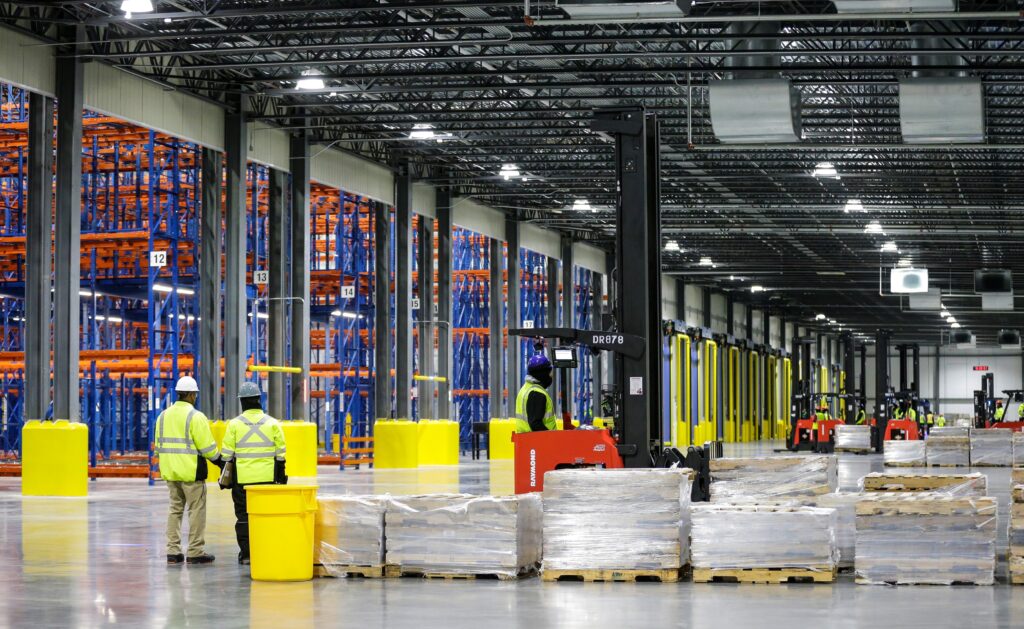
The primary function of a warehouse remains straightforward—storing products. These facilities are tailored to meet a company’s specific inventory and storage requirements, providing secure and organized space for goods until they’re ready to be shipped. Most warehouse operations support business-to-business (B2B) distribution, where items are sent to retail partners or other commercial locations. Fulfillment from a warehouse typically involves shipping full pallets of a single SKU or preparing mixed-SKU pallet shipments based on business needs.
Advantages and Factors to Consider
Advantages
- Large-scale storage capacity with suitable environmental conditions for various inventory types
- Full oversight of product quality and handling
- Ability to retain direct communication with your customer base
Points to Consider
- Storage solutions for bulk pallet storage rather than small-order fulfillment
May not be optimized for picking, packing, and shipping smaller orders
Seasonal demand shifts can result in higher labor costs and added training requirements
How COVID-19 Reshaped Warehouses and Fulfillment Centers

Like many industries across the Carolinas and beyond, warehouses and fulfillment centers experienced significant shifts during the COVID-19 pandemic. Fulfillment operations faced major supply chain interruptions and rapid changes in consumer buying habits. To protect workers and ensure business continuity, both facility types implemented enhanced health and safety protocols—often resulting in reduced staffing levels due to social distancing requirements.
Warehouses began stockpiling more inventory to prepare for potential shutdowns or delays, a response to the disruptions that initially brought many operations to a standstill. At the same time, demand for third-party logistics (3PL) and fulfillment centers grew, as businesses needed faster, more flexible solutions to meet rising online order volumes. Some companies have since opted to invest in their own infrastructure, while many others continue to rely on trusted 3PL partners to ensure consistent delivery.
Let Apex Companies Support Your Material Handling Solutions
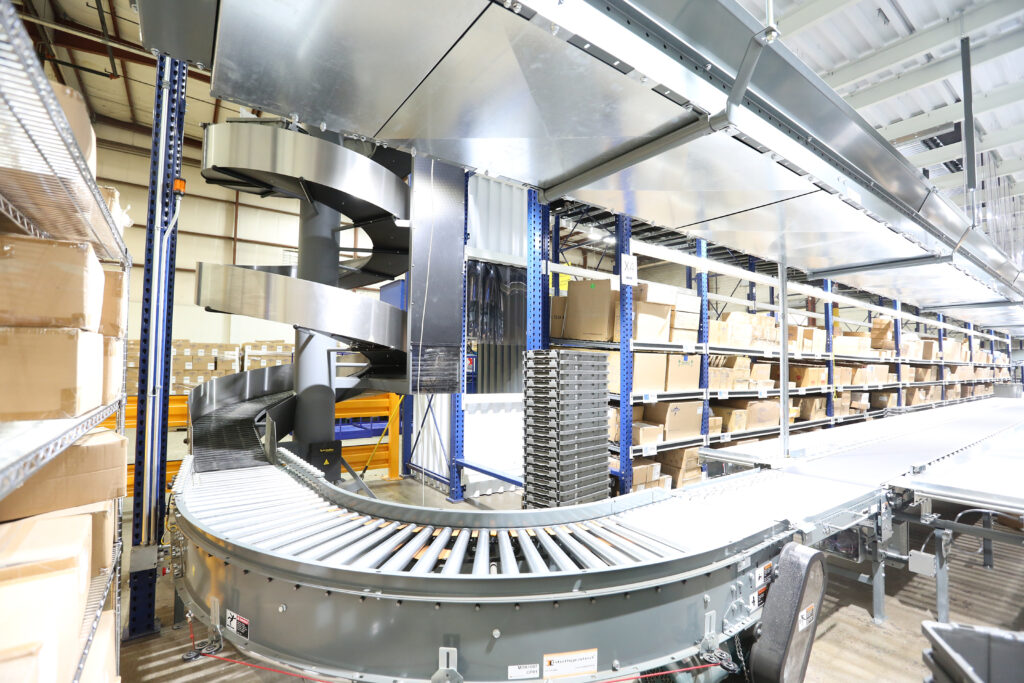
Apex Companies is prepared to collaborate with you in delivering scalable, efficient material handling solutions tailored for both traditional warehouses and fulfillment centers throughout the Carolinas. We provide a comprehensive, full-service approach—from complete warehouse layout design to installing a single pallet rack bay or advanced automation systems. Our skilled team handles professional installation and maintenance of racking systems and offers thorough forklift operator training. Reach out to the Apex team today to discuss your operational needs and long-term objectives. For more details or to schedule a free consultation, visit our website or call us directly.
