
10 Questions to Ask Before Choosing Your Warehouse Storage Solutions

If It Were Our Warehouse, We’d Start Here — 10 Questions From 20 Years Of Experience
Choosing a warehouse storage solution isn’t just about where to put the racks. This decision will affect how your entire operation runs. The right system supports your inventory flow, maximizes your cube space, and grows with your business.
Think of it like planning your kitchen layout. You wouldn’t start picking out cabinets before knowing whether you’ll need space for a double oven, oversized fridge, or built-in espresso machine. Your kitchen’s layout, flow, and functionality all hinge on the appliances you choose and how you plan to use the space.
Same goes for your warehouse. Choosing storage solutions without first understanding your inventory, space limitations, and daily operations can lead to costly inefficiencies. Just like in a kitchen, function should drive form. When you match your racking system to your operational needs, you get a smoother, more productive workflow.
In this guide, we’ll walk you through 10 critical questions to ask before selecting your warehouse storage solution.
1. What Type of Inventory Will You Store?
The starting point for your warehouse storage solutions journey is the makeup of your inventory mix. Pallets, cartons, eaches—whatever flows through your facility determines the rack style, bay depth, and aisle layout.
If you move high volumes of just a few SKUs, choose a dense format such as drive-in or pallet flow rack to pack product deep and keep aisles to a minimum. Double-deep racking or an automated storage and retrieval system (ASRS) balances density with reasonable access speed when both SKU count and volume are high.
For a broad SKU mix in smaller quantities, single-deep selective racking gives every pallet a front-row seat. Long or irregular products like pipe, lumber, and furniture fit best on cantilever racks. Case-pick or each-pick operations run smoother with carton flow rack, industrial shelving, or small-parts ASRS modules that keep items organized and within easy reach.
However your inventory looks, the Apex Rack Matrix lets you compare these options side by side to design a system that meets today’s demand and leaves room for tomorrow’s growth.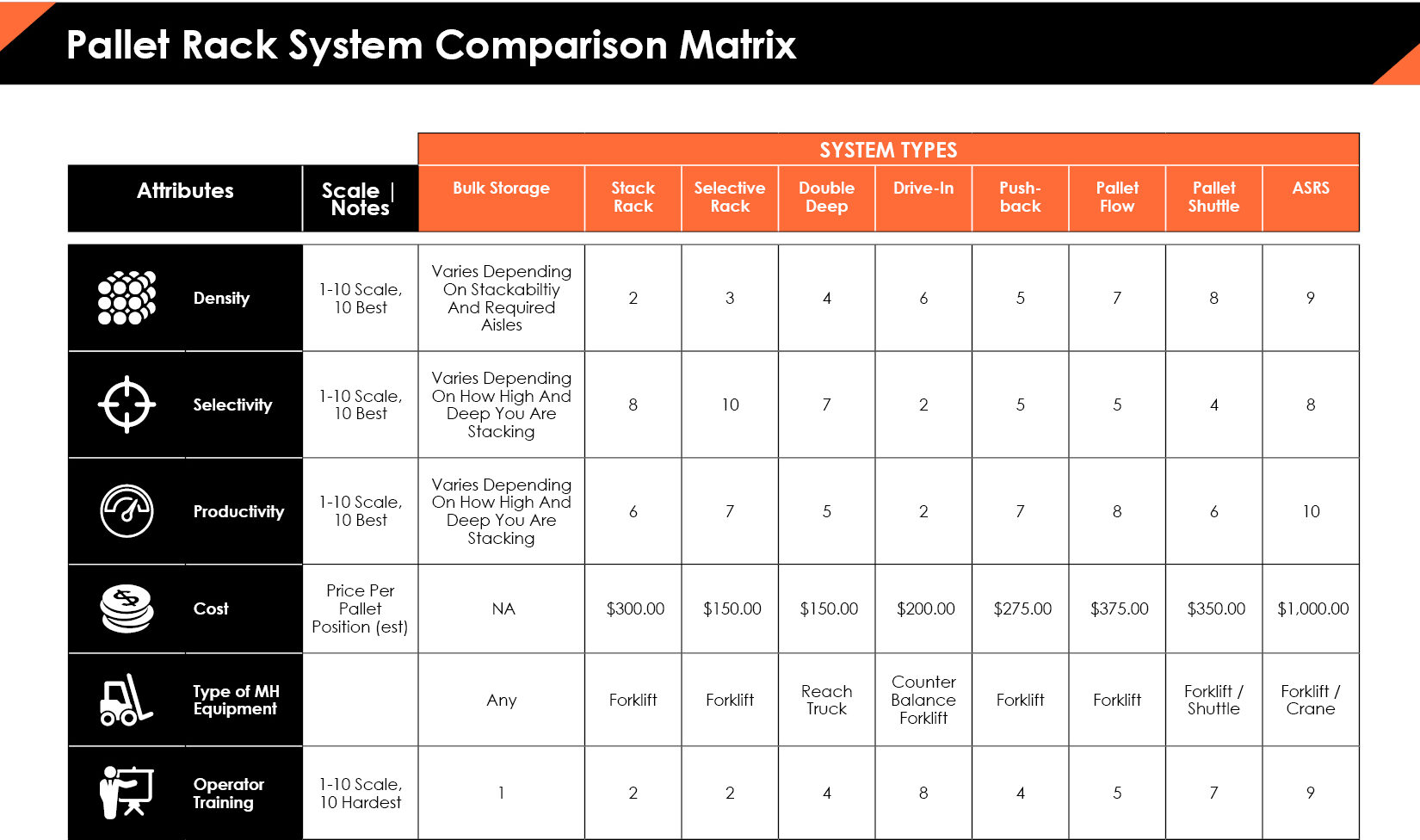
2. How Much Inventory Will You Store—and How Often Will It Change?
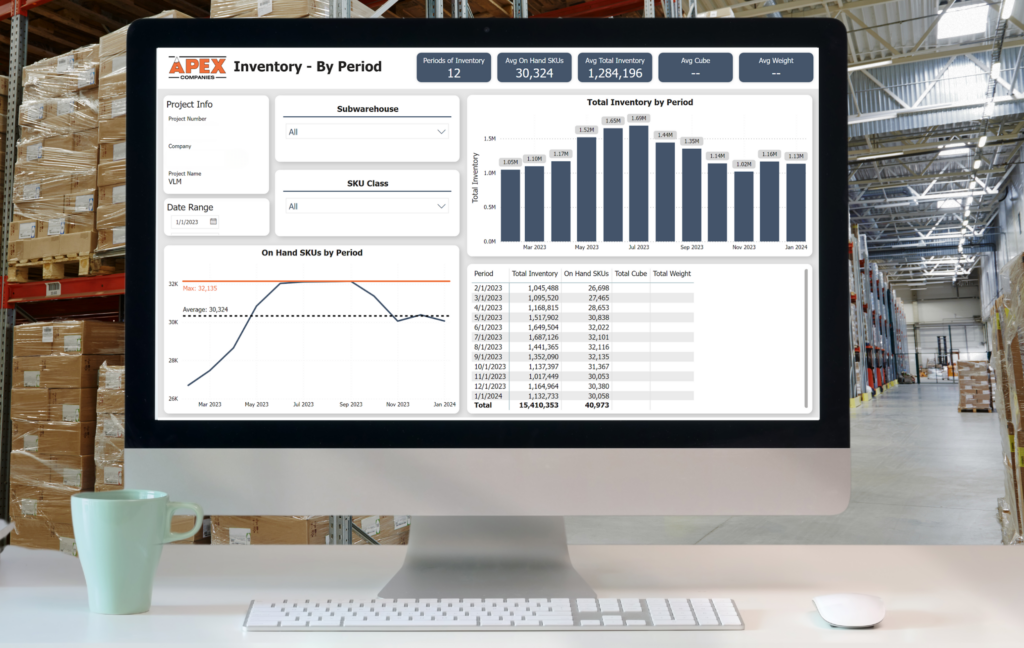
When it comes to understanding your inventory requirements, it’s important to plan not just for today’s needs but also for tomorrow’s peaks and growth. You can start by looking at your average stock levels, peak season demands, and projected growth. A system built only for the average could leave you scrambling for space when volume spikes.
Also, consider how often your inventory turns. Fast-moving products cycle through quickly. They don’t need as much static space. Slower items take up room longer, of course.
Companies make mistakes by relying on “rules of thumb.” Instead, let the Apex team analyze your inventory data—SKU dimensions, stacking limits, sales history, and seasonality—to model how much space each item needs now and in the future.
3. What Are Your Pick and Replenishment Methods?
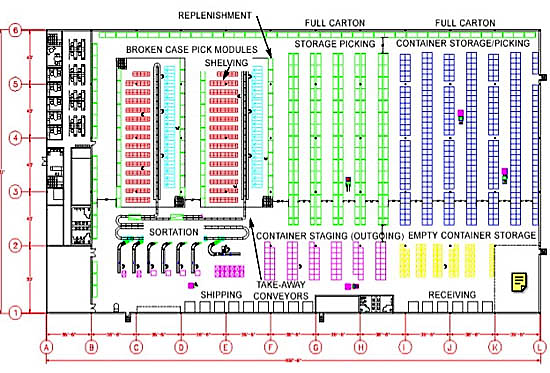
Sample Warehouse Layout
Warehouse storage solutions naturally focus on the “storage” aspect—but just as important is how often, and in what manner, your inventory is retrieved.
If your team picks full pallets, prioritize efficient forklift access and clear travel paths. Consolidated pick zones boost speed, improve throughput, and reduce labor strain for case or individual picking, such as in retail or e-commerce.
Doing both? A two-tiered approach works well with selective rack for reserve storage and high-frequency SKUs slotted into easy-to-access carton flow or shallow pallet flow racks. Ideally, each pick location should hold at least a day’s worth of inventory to avoid restocking mid-shift. Gravity flow systems—like carton or pallet flow—help here, enabling simultaneous activity with separate load and pick aisles.
Speaking of replenishment, will stock be refilled manually via forklifts or automated systems like ASRS? Plan accordingly. And don’t overlook strategic warehouse slotting — placing your fastest movers in the most advantageous position for quick, accurate selection.
Finally, your order picking model, batch, zone, wave, or discrete, should align with the storage setup. When pick paths and rack design work together, your team moves faster.
4. What’s the Physical Layout of Your Facility?
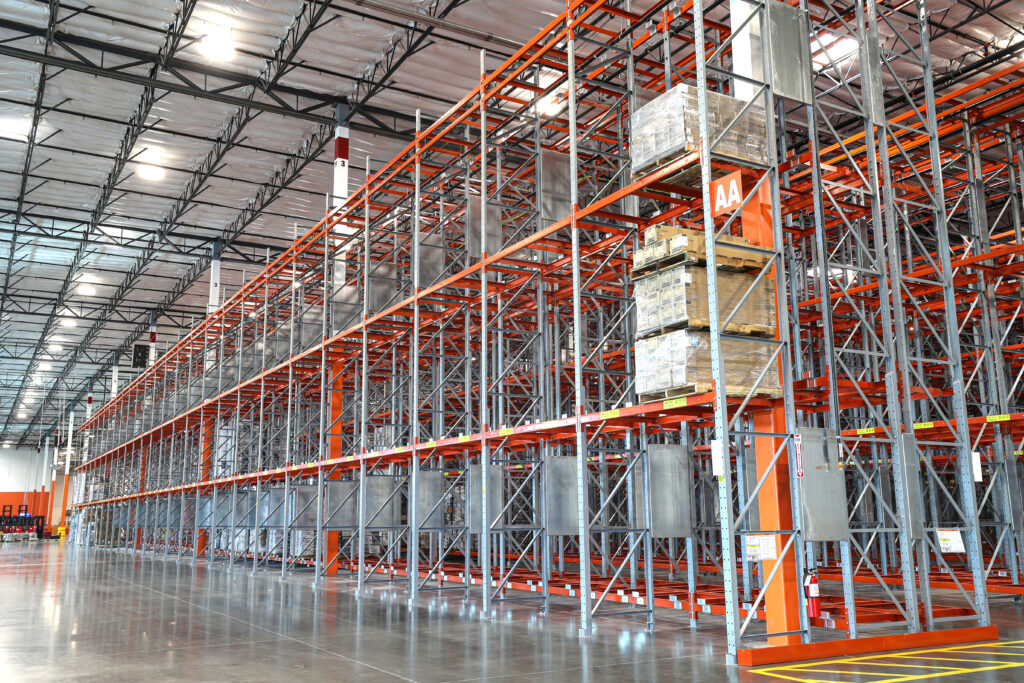
Strategic Column Placement in Rack Structure
Before selecting your rack systems, it’s crucial to understand your facility’s layout. Every storage solution must align with the physical constraints of your building.
- Start with Your Floor Plan: Begin by mapping out your floor plan, noting column locations, dock doors, ceiling height, and any obstructions. Apex rack designers optimize layouts around column grids to maximize usable storage space.
- Consider Clear Height: Assess your clear height, determining your vertical storage capacity. Taller warehouses can accommodate more beam levels, but fire codes and structural limits may impose restrictions. For lower-clearance areas, explore options like high-density pallet racks or low-profile ASRS solutions such as horizontal carousels.
- Climate Zones: Recognize distinct climate zones within your facility. Each zone’s environmental conditions influence storage solution decisions and placement strategies. Clearly identifying these zones is essential for effective build-out planning.
5. What Is Your Budget and Timeline?
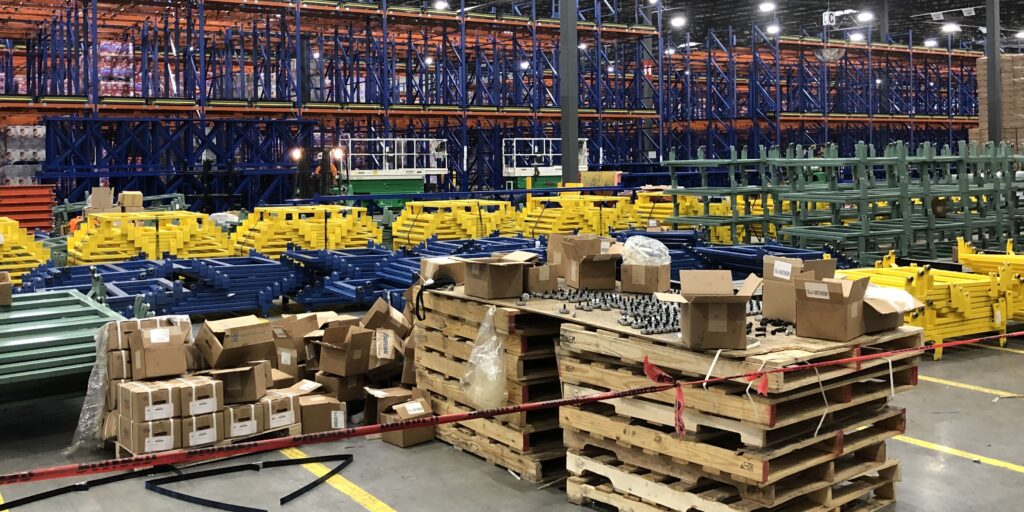
Warehouse Storage Rack Installation Staging
No storage project succeeds without clear budget and timeline planning. Early on, define both your capital investment and long-term operating costs. Racking, automation, installation, building modifications, IT systems, and safety equipment all add up.
Don’t just focus on the upfront price. Labor and transportation are often your biggest ongoing expenses, so investing in systems that boost productivity can deliver better ROI than cutting corners.
Build a detailed project schedule that includes design, material lead times, smooth permitting, installation, and go-live prep. Factor in dependencies—like ensuring the floor is ready before racks arrive—and allow time for permits and inspections.
Consider Apex Project Management. The Apex team ensures seamless scheduling and planning. From initial consultation to final implementation, our experts oversee every aspect, optimizing efficiency and reducing project timelines.
6. What Are Your Safety and Compliance Requirements?
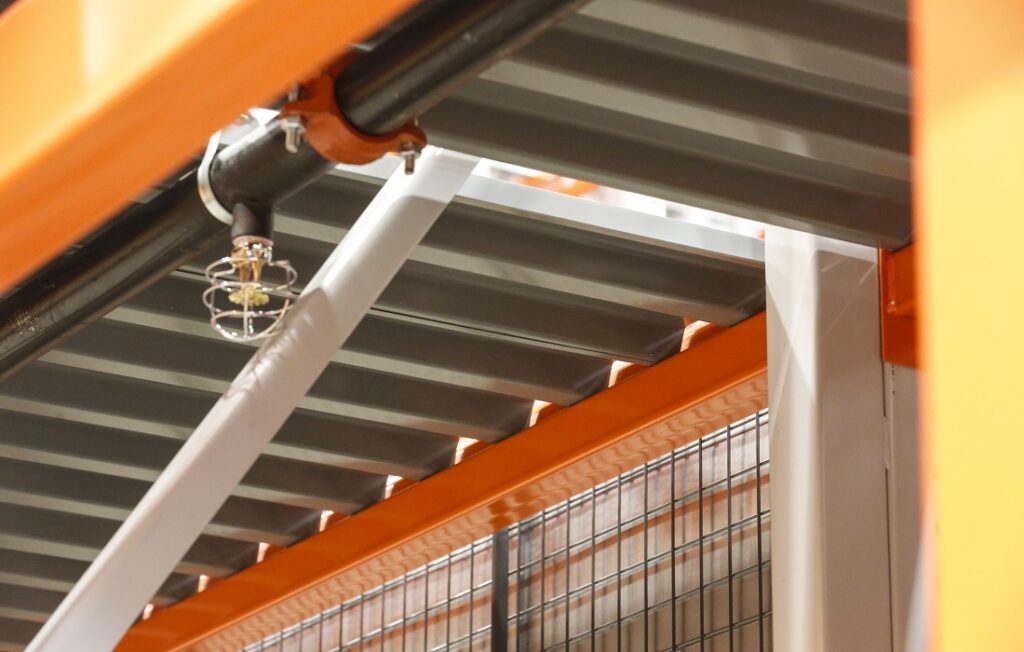
Safety is a design requirement.
In the U.S., pallet racks must meet IBC and RMI standards, which cover everything from safe load distribution to seismic bracing. Different jurisdictions require engineered drawings, permits, and final inspections.
- Seismic Considerations: If located in a seismic zone (common across the U.S.), specialized rack design elements may be necessary to meet safety standards.
- Holistic Approach to Safety: OSHA recommends a comprehensive approach to pallet rack safety to mitigate risks and enhance warehouse safety standards.
- Fire Safety: Compliance with fire codes is critical. Factors such as maintaining flue spaces, avoiding solid shelving, and potentially installing in-rack sprinklers depend on product type and rack height.
- Operational Safety: Implement protective measures like guardrails, column protectors, pallet stops, and safety netting to prevent damage and injuries. For multi-level systems, ensure safe egress and incorporate fall protection measures during initial design.
7. What Is Your Current System Missing?
If you’re replacing or upgrading your storage system, take a moment to ask: What isn’t working today? This is your chance to fix those daily frustrations, whether it’s cluttered aisles, slow picking, or space that’s completely full.
The right warehouse storage systems design can resolve common issues like mispicks, adapt to inventory changes, and address labor challenges. Talk to your team and then talk to our experts. Often, the best insights come from the people who work in the space every day. What’s slowing them down? What feels outdated? These observations should guide the priorities of your next design.
8. How Will the System Be Maintained and Managed?
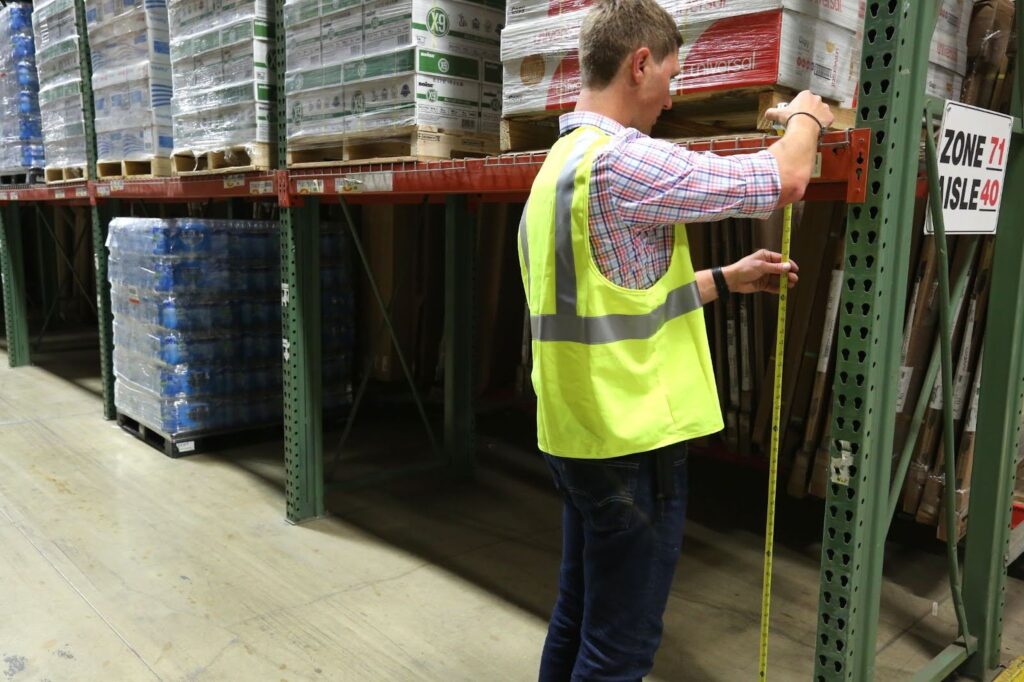
Ongoing maintenance and management are key to keeping your warehouse storage systems safe and efficient over the long term.
Plan for regular inspections, especially for pallet racks, where even minor damage can become a major safety risk. Encourage staff to report issues immediately, and schedule annual (or more frequent) professional inspections. For automated systems, follow the manufacturer’s maintenance schedule and budget for parts, service, and downtime.
Assign responsibility — ideally a facilities or warehouse manager — to oversee rack condition, coordinate repairs, and keep processes up to date. Train all staff on safe use, damage reporting, and hazard recognition.
Lastly, don’t set and forget. Your operations will evolve, so reassess your storage system every few years to ensure it still fits your needs.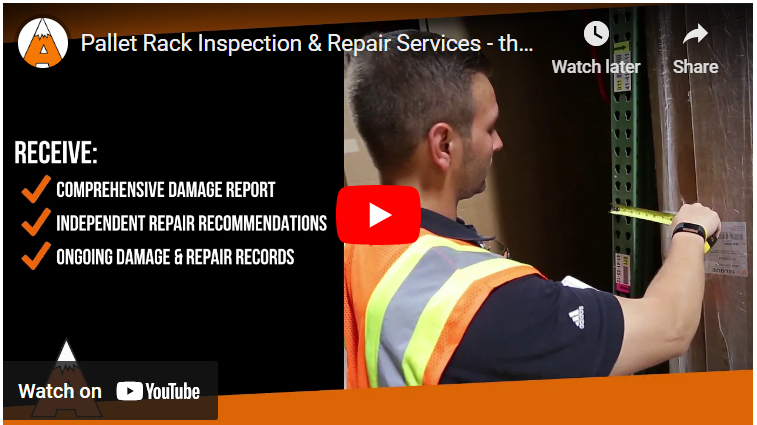
9. What Are Your Future Inventory Expectations?
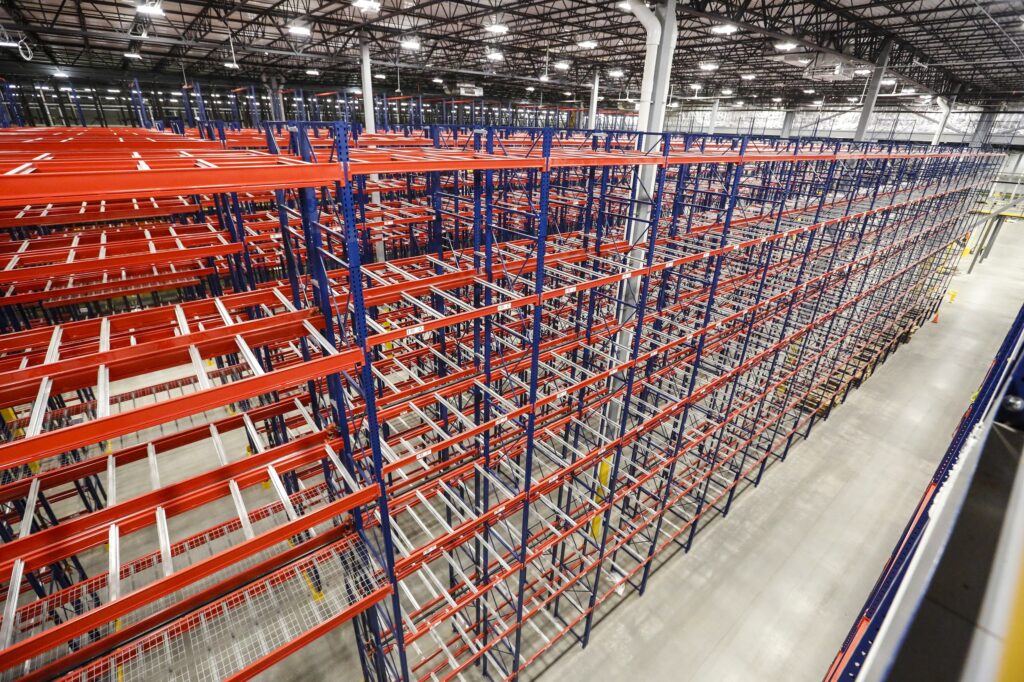
Before locking in a design, think about where your inventory is headed. If you expect SKU counts, order volume, or product mix to shift over the next few years, share those projections up front. With clear forecasts, our engineers can leave strategic breathing room—extra aisles for new SKUs, structural allowances for another beam level, or floor space that can convert to automation… or even a mezzanine level later—without forcing you to overbuild on day one.
Future-proofing isn’t the same as unlimited scalability. It’s about balancing today’s ROI with tomorrow’s possibilities: sizing equipment and aisle widths for current demand, reserving power and data drops if robots join the mix, and planning expansion zones so additions plug in with minimal downtime.
Apex has guided dozens of facilities through phased build-outs. We start by mapping your current inventory profile, then modeling potential growth scenarios. That way, your first installation delivers immediate efficiency, yet leaves clear, cost-effective paths for the changes you expect—nothing more, nothing less.
10. Are You Ready to Get Started?
Addressing these considerations will equip you to design a solution that meets your current needs and evolves with your future growth. At Apex, our team leverages decades of experience to deliver customized warehouse storage solutions that ensure efficiency and scalability.
Contact the Apex team and schedule a free consultation. With offices and personnel throughout the U.S., we can ensure personalized support to you and your team.
Apex full-service support:
- Warehouse Design & Engineering
- Automation Solutions
- Project Management/Permitting & Installation
- Rack Inspections & Repair
- Material Handling Equipment
- Forklift Operator Training & Certification
- Forklift Service & Fleet Maintenance
- Equipment Financing, Leasing & Rentals
With Apex, just one call does it all… We Got This!
