7 Steps to Making A Smart Used Pallet Rack Purchase


Things To Consider Before Buying Pre-Owned Pallet Rack
Steel pallet rack systems are built to stand the test of time—sometimes even outlasting the businesses that originally installed them. When this happens, the racking is dismantled and sold, either as complete systems or individual components. For warehouse owners looking to build or expand operations in the Carolinas or Georgia, investing in used pallet rack can offer savings of up to 50% compared to purchasing new. Additionally, pre-owned rack is often readily available, allowing for faster shipping and installation. However, not all used pallet racks are created equal, and what seems like a bargain can quickly turn into an expensive mistake. Before making a purchase, consider these seven crucial factors to ensure you’re getting a safe, cost-effective solution.
Get the Facts – Used Pallet Rack Essentials
1. Buy from a Trusted Supplier
Choosing a reliable source for used pallet racking is key to ensuring quality and safety. A reputable seller will have extensive industry experience and be able to verify the condition and structural integrity of the rack. Always request engineered calculations to confirm the system’s original load capacity. If these calculations aren’t available, you may be able to reference capacity tables using the part numbers provided.
Review the available inventory to determine if it meets your needs, and ask if the supplier can source additional materials if required. Lastly, check whether they offer in-house installation services, as well as rack inspection and repair options, to support long-term maintenance for your North Carolina facility.
2. Determine the Right System for Your Needs
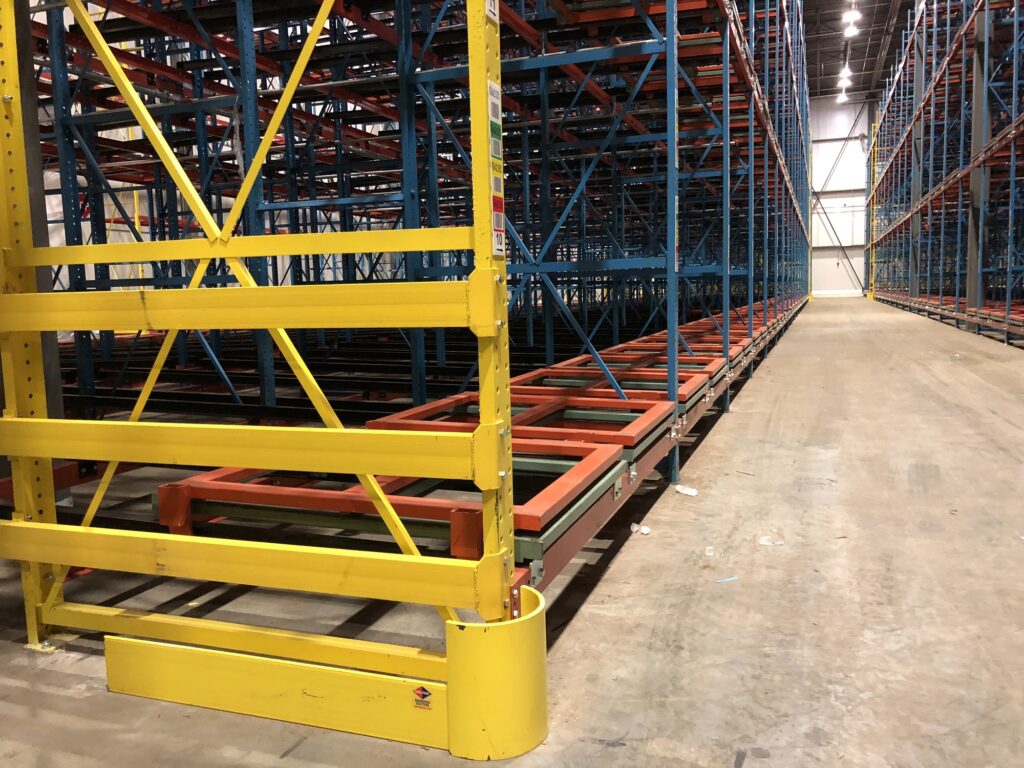
When shopping for used pallet racking, it’s important to choose a system that aligns with your storage goals. While standard selective racking is the most common, you can also find high-density options like drive-in racks and even dynamic systems such as push-back or pallet flow. Work with your supplier to determine which system will optimize space and efficiency for your North Carolina warehouse. A knowledgeable seller should be able to guide you toward the best fit based on your inventory type, pick rates, and operational needs.
3. Ensure Compliance with Industry Safety Standards
A trustworthy supplier will thoroughly inspect all racking components for damage, including signs of overloading or forklift strikes. Be sure there are no missing, broken, or improperly repaired parts that could compromise structural integrity. Rust is another factor to assess—minor surface rust may not be an issue, but deep corrosion can weaken the rack and pose a safety risk. If needed, ask whether the supplier offers refurbishing services to clean, repaint, or reinforce the system before shipment to your North Carolina facility.
4. Conduct a Thorough Inspection Before Purchasing
Once you’ve narrowed down your options, the next crucial step is inspecting the pallet rack materials before finalizing the purchase. Thanks to modern technology, this can often be done via video call (e.g., Skype or FaceTime) if an in-person visit isn’t feasible. However, for significant purchases or large-scale installations, an on-site inspection is highly recommended.
Key areas to check:
- Rust: Look for deep corrosion that could weaken the structure.
- Bending: Warped beams or uprights may indicate past overloading.
- Welded Components: Pay close attention to beam connector plates and baseplates to ensure they haven’t been poorly repaired or compromised.
Taking the time to verify the rack’s condition helps prevent costly surprises down the road and ensures your North Carolina warehouse gets a safe, reliable system.
5. Price Replacement Parts
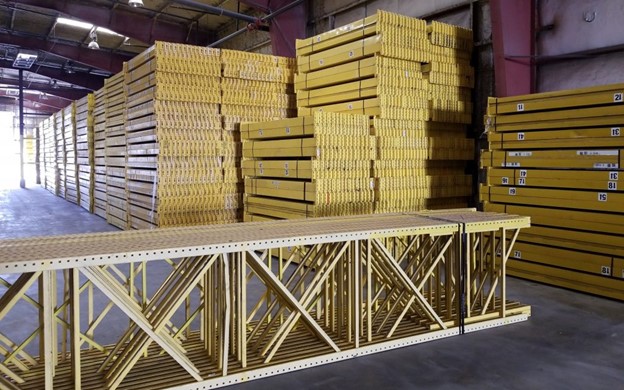
Combining new and used components can be a cost-effective way to build a pallet rack system that meets your structural and operational needs. For example, pairing new uprights with pre-owned beams can provide the best balance of cost savings and stability. Keep in mind that uncommon or discontinued brands may be harder to source, potentially driving up the overall cost. Use the Apex Punching Table to identify compatible components for your used pallet rack system.
6. Don’t Cut Corners on New Hardware
The integrity of your pallet rack system depends on using high-quality hardware for secure connections. Fasteners, nuts, and bolts must fit precisely to ensure stability and safety. Investing in new hardware for assembly—especially for shelving, decking, rails, and accessories—ensures a proper fit and reduces installation time.
Additionally, using new hardware eliminates the hassle of sorting through used components that may be worn, mismatched, or missing, ultimately saving you time and labor costs.
7. Don’t Let Shipping Costs Eat into Your Savings
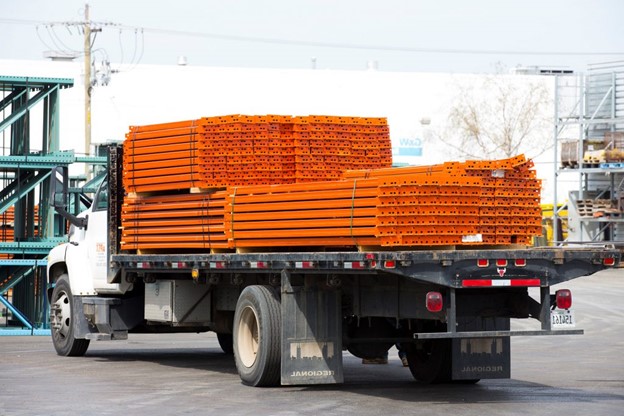
When purchasing used pallet rack, factor in shipping expenses to avoid unnecessary costs. Ensure the components are packed efficiently to maximize truck space and reduce freight charges. Additionally, sourcing materials from a supplier near your job site can significantly cut down on transportation costs, making your savings even more worthwhile.
Make an Informed Choice on Used Rack
Used pallet racking can be a cost-effective solution, but it’s important to weigh the savings against potential refurbishing costs. While scratches, dust, and old stickers are expected, additional painting or repairs can cut into your budget. Purchasing from a trusted supplier ensures that your system meets safety standards and operational needs.
Apex is your go-to partner for all things material handling—from new and used pallet racking to engineering, installation, inspection, and repair services. Our strategically located inventory hubs allow us to efficiently serve businesses across the West, Midwest, East Coast, and Southern regions. Every used rack in our inventory undergoes a thorough safety inspection to meet industry-accepted design codes. Contact Apex today or browse our available inventory to find the right solution for your warehouse.