
Why Retrofit Pallet Rack Guarding Is a Smart Investment | Apex Safety Spotlight

Affordable Protection: Why Retrofit Rack Guarding Makes Sense
As we kick off the New Year, it’s the perfect time to reassess warehouse safety goals and look for smart, cost-effective ways to boost protection. Retrofit pallet rack guarding offers a practical solution to improve safety and preserve your existing infrastructure without breaking the budget.
In other words, you don’t need a brand-new racking system to enhance safety. You can upgrade your current racks with protective add-ons that shield against damage and accidents. This approach allows you to stretch your “rack dollar” further by protecting what you already have, rather than spending big on replacements.
What Is Retrofit Rack Guarding?
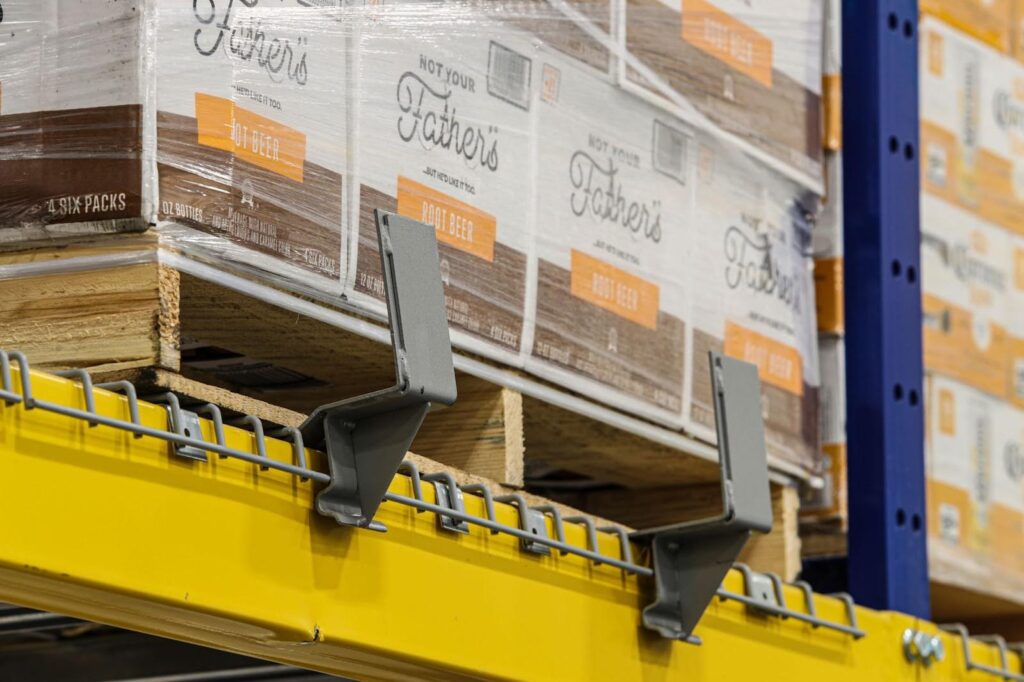
Retrofitting rack guards means installing safety accessories onto your existing pallet rack system. These solutions not only improve collision protection but also support fire code compliance and operational safety by maintaining clear flue space and preventing pallet overhang—key functions of flue space protectors and pallet stops.
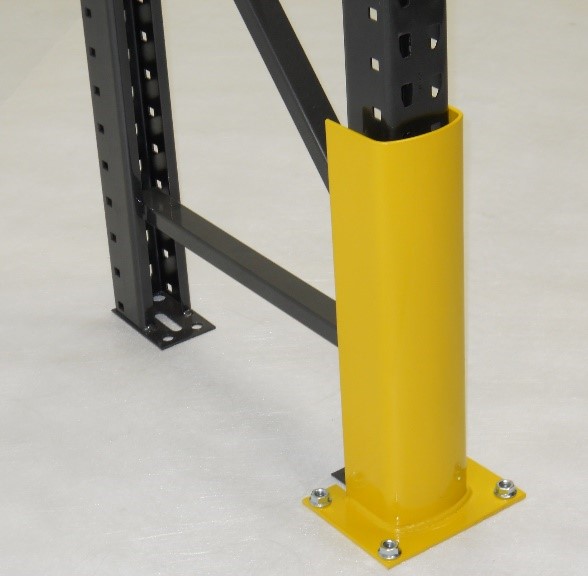
Column Guard
Each of these serves a specific purpose.
- Column guards or post protectors are attached at the base of uprights to shield the column from forklift impacts.
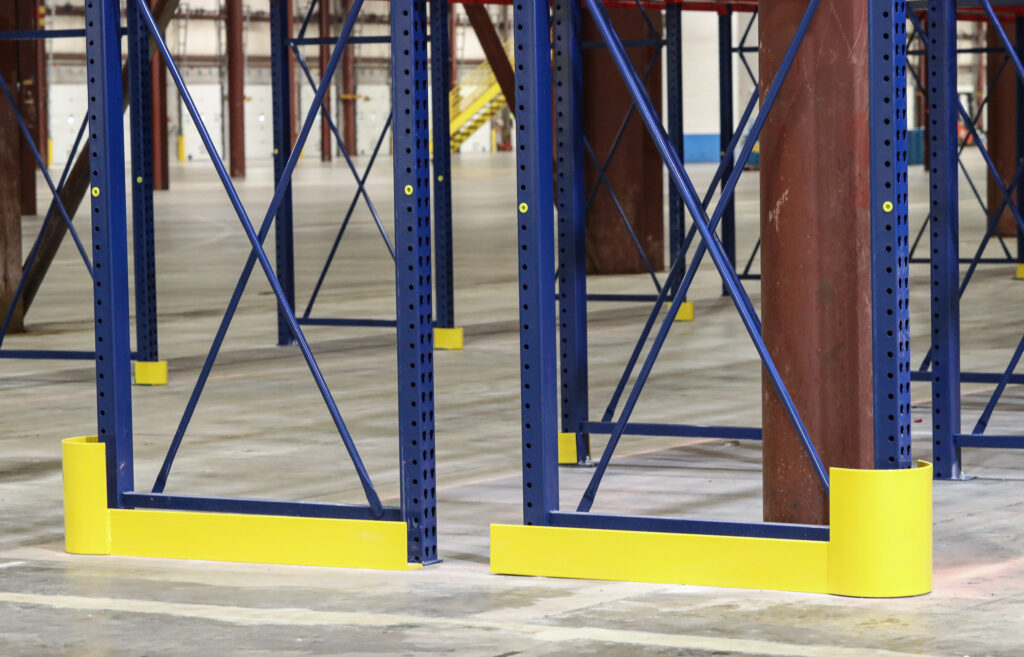
- End-of-row guards wrap around the end-of-aisle uprights and extend down the length of the frame, forming a steel barrier that absorbs collisions at row ends.
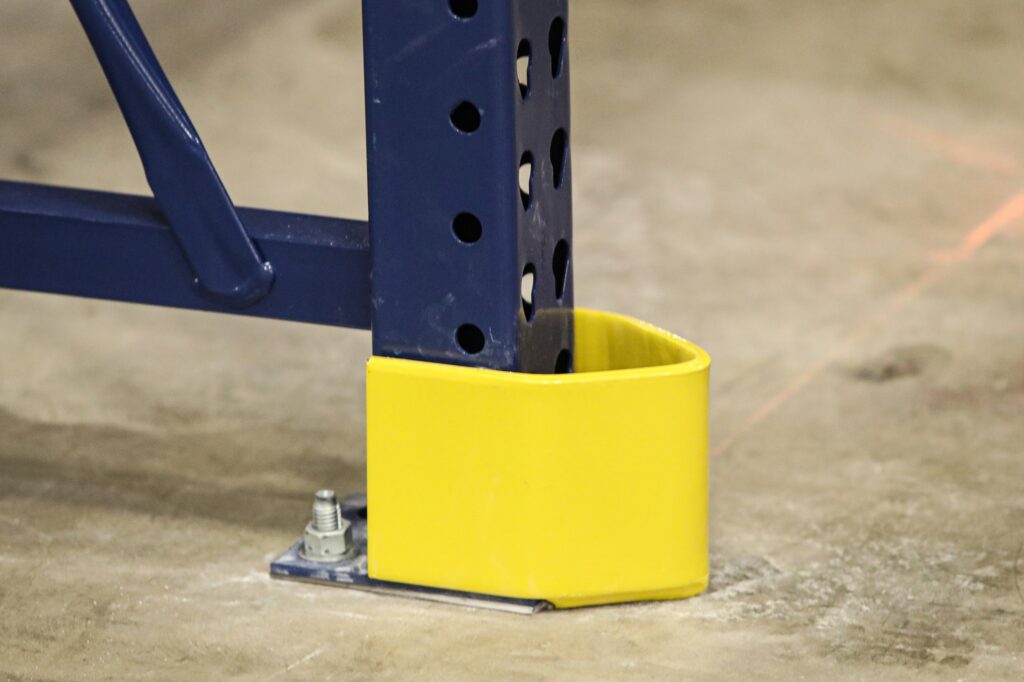
- Anchor guards with a bullnose design reinforce the bottom front of uprights and cover floor anchor bolts to protect this high-impact zone.
- Rack safety netting or backstop panels mount to the back or front of rack bays to prevent products from falling into work areas or aisles.
- Flue space protectors and pallet stops are mounted between pallet rack bays to maintain clear vertical flue space and prevent pallets from being pushed too far. These safety accessories support fire code compliance and ensure sprinkler systems can operate effectively in the event of a fire.
While retrofit rack guarding focuses on protecting the rack structure itself, guardrails are often used as a complementary safety measure. Installed around aisles, traffic lanes, or work zones, guardrails help manage equipment movement and provide an added layer of protection between forklifts, pedestrians, and storage areas.
The right combination of rack guards and guardrails depends on factors such as aisle spacing, equipment type, and traffic patterns. Apex helps evaluate these conditions and recommend the most effective accessories to support each operation’s safety goals.
 |
 |
| End Row Guards |
Anchor Guard |
All these guarding solutions are designed to integrate with your current racking layout so they can be custom-fit to your rack’s dimensions and design for seamless, effective installation, and are usually anchored to the floor (not the rack) so collision forces are diverted away from your rack structure.
Bite-sized benefits of retrofitting rack guards
- Cost savings vs. repairs: Installing guards is far more cost-effective than repeatedly replacing or repairing pallet rack components damaged by forklifts or other equipment. It’s cheaper to equip your rack with safety elements upfront than to pay for serious damage or injuries later.
- Extended rack lifespan: By absorbing impacts and preventing wear and tear, rack guards extend the lifetime use of your racking system. Your racks stay structurally sound longer because the guards take the abuse instead of the uprights.
- Improved safety compliance: Rack guarding helps you meet safety regulations and standards by addressing hazards like falling inventory and collision damage. OSHA mandates employers keep workplaces free of recognized hazards, which includes unsecured or damaged storage racks.
- Custom-fit solutions: Retrofit guards are available for virtually any rack type or design. They can be fabricated or selected to match your rack’s dimensions (upright size, aisle width, etc.), so you get a snug, effective fit without altering your existing setup.
Safety and Compliance Benefits
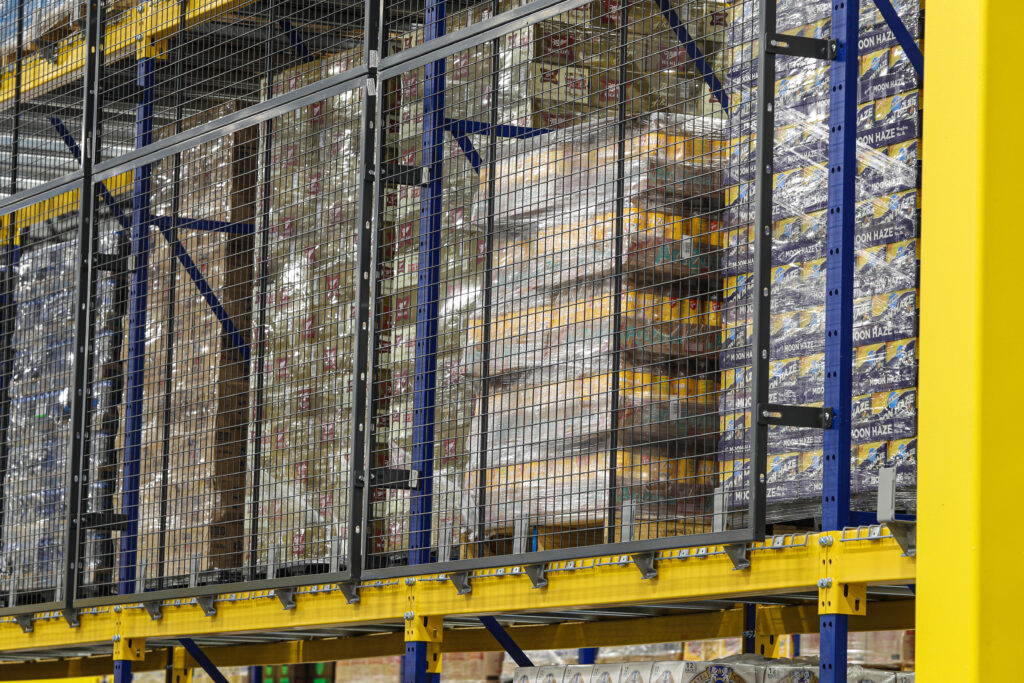
1. Minimize the risk of falling products
Adding back-of-rack protection, such as warehouse safety netting or steel containment panels, is one of the most effective ways to prevent loose items from falling into aisles or work zones.
In busy warehouses, pallets settle, loads shift, and contact from lift equipment can nudge products out of place. Without a barrier, even a small item can become a safety risk.
Netting provides a secure catch surface that keeps products on the rack and maintains the clear flue space required for proper sprinkler performance. Adding these containment solutions enhances worker safety and protects inventory throughout the storage cycle.
2. Reduce impact damage from forklifts and lift equipment
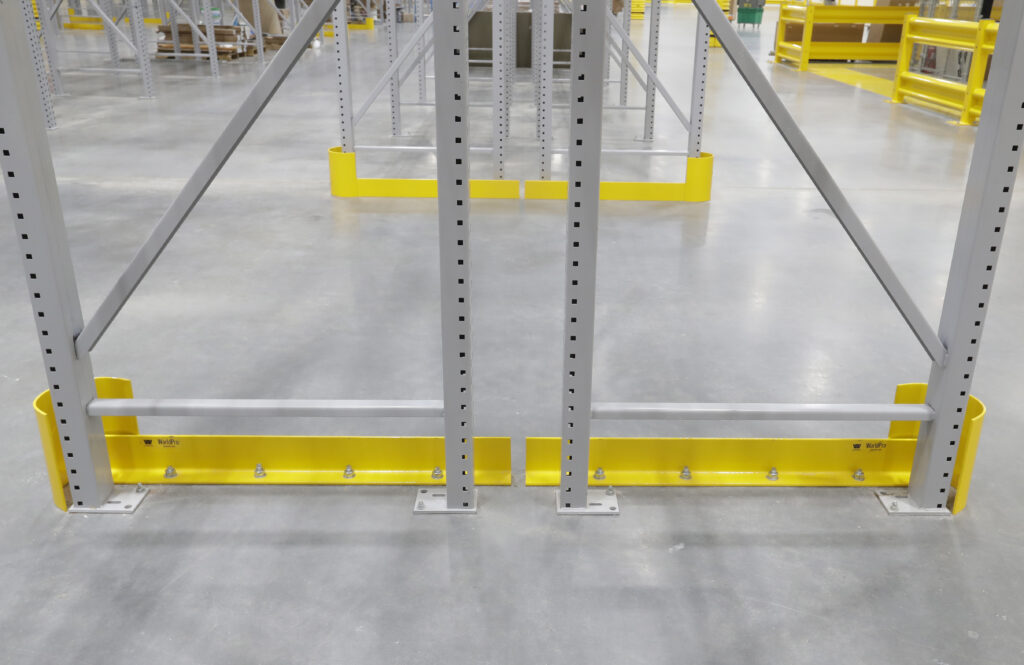
Forklifts are central to warehouse productivity, but they also account for many of the impacts that weaken or damage pallet racking. Installing column protectors and end-of-row guards reduces this risk by absorbing the force of a collision before it reaches the racking structure.
End-of-row guards play an equally important role. They wrap around upright posts at aisle ends, which are the most common impact zones in most warehouses. Their steel construction and anchored base help deflect and absorb forklift contact, preventing bent frames, compromised structural integrity, and the cascading risks associated with rack failure.
Our full breakdown of these protectors can be found in our guide to end-row guards.
3. Support OSHA standards and facility safety audits
While OSHA does not prescribe specific guarding products, it does require employers to maintain a workplace free of recognized hazards. Damaged uprights, unsecured pallets, and the risk of falling products all qualify as hazards under this definition.
Implementing rack guarding is a direct, proactive way to address these issues and strengthen compliance. We explain OSHA’s position on pallet rack safety in our piece on OSHA and rack standards.
Rack guarding also aligns with RMI and ANSI recommendations, which OSHA frequently references during inspections. By upgrading your existing racks with properly placed netting, guards, pallet stops, and anchors, you reduce safety risks, support regulatory compliance, and improve the results of internal or third-party facility audits.
Safety highlights of rack guarding retrofits
- Protects both inventory and personnel: Prevents products from dropping onto workers or equipment and shields workers in aisles from accidents. Your stock stays where it belongs (on the rack), and your team stays out of harm’s way.
- Boosts your safety rating: A well-guarded warehouse is a safer warehouse. You’ll likely see fewer safety incidents, and you demonstrate to employees, inspectors, and insurance providers that you take hazard prevention seriously. It’s a win for morale and liability.
- Avoids costly accidents and downtime: By heading off rack collapses or fallen pallet incidents, you sidestep the massive costs that come with those events. Think emergency repairs, inventory loss, facility downtime, injury claims, and insurance hikes. An accident that doesn’t happen thanks to a $200 guard could save you many thousands of dollars in damages and lost productivity.
When Should You Retrofit?
 |
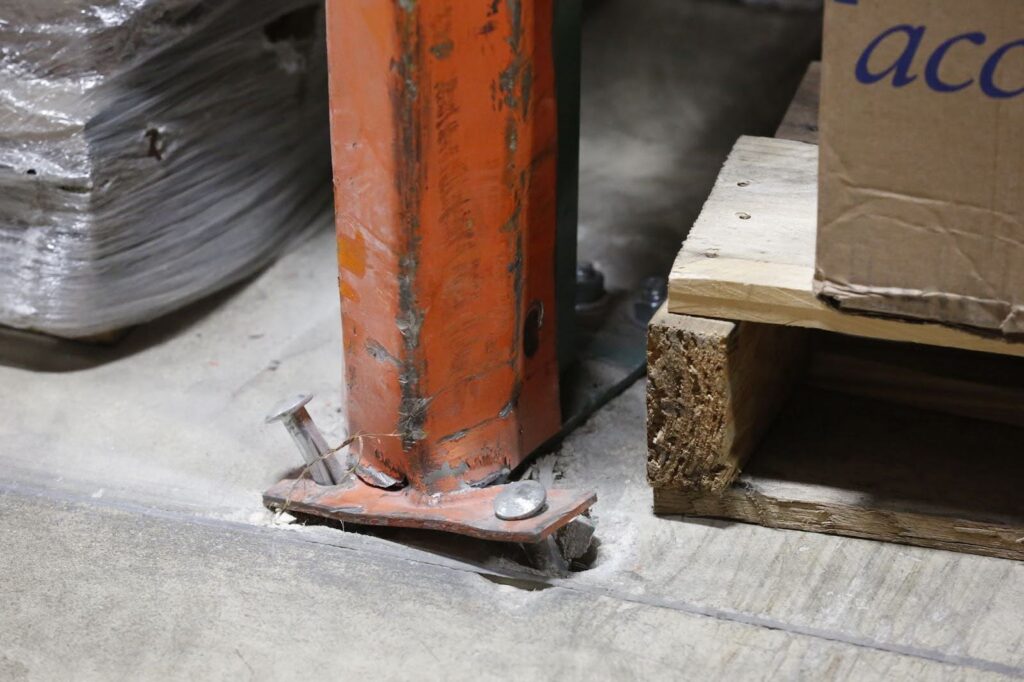 |
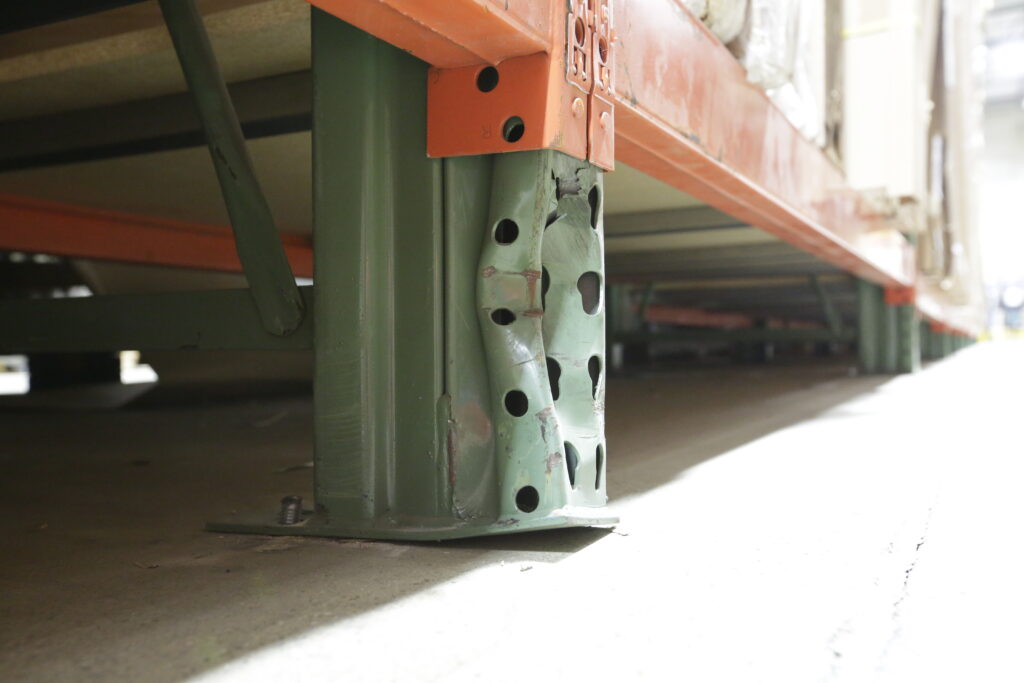
| Damaged Post & Footplate vs… | Damaged (Replaceable) Column Guard |
The truth is, there’s no bad time to improve safety, but there are certainly warning signs and ideal opportunities to retrofit your racks with extra protection. The good news is you typically don’t need to replace your pallet racking system to address these issues. Retrofitting offers a far cheaper and faster solution than a complete rack overhaul.
If you notice any of the following in your facility, it’s a strong indication that it’s time to take action with rack guarding:
- Visible damage to uprights or frame components: Dented columns, bent bracing, scraped paint, or cracked anchors at the base are all red flags. They indicate your racks have already taken hits and are vulnerable to further damage or failure.
- Increased forklift traffic or layout changes: Maybe your warehouse activity has ramped up, you added new forklift routes, or reconfigured aisles to squeeze in more storage. Higher traffic and tighter aisles mean higher collision risk.
- Recent near-misses or minor accidents: Perhaps there was a close call where a pallet nearly fell, or a forklift almost clipped a rack, or you’ve had some pallets nudging past the beam and dropping cases. These incidents are telling you something and next time you might not be so lucky.
- New safety goals or compliance reviews: Warehouse safety standards aren’t static. If your company has set new safety objectives for the new year or you have an upcoming safety audit or OSHA review, retrofitting rack guards is a quick win.
Now is a great time to evaluate your facility’s safety posture, especially with the new year underway. A quick assessment could reveal simple upgrades that deliver long-term protection and peace of mind.
Easy Installation, Big Payoff
One of the biggest advantages of retrofitting pallet rack guarding is how quickly it can be installed. The Apex team works with you to schedule the project around your operations, minimizing downtime and ensuring your team experiences minimal disruption—so you start seeing safety benefits almost immediately.
Retrofit guarding is also compatible with virtually all major rack manufacturers and rack types. Products like end-of-row guards are designed to fit standard rack dimensions. Also, custom options are available when you have non-standard layouts. You keep your existing racking in place and simply add protection where it is needed most.
From a cost standpoint, the math is simple. The cost of one serious forklift impact can easily exceed the investment in guarding for a high-risk area. By installing protection up front, you pay a relatively small amount to avoid expensive damage, downtime, and potential injuries later.
You can also scale your retrofit program over time. Many facilities start with the most vulnerable zones, such as main travel aisles and end rows, then expand guarding as budget allows. This allows you to preserve your current infrastructure, improve safety incrementally, and maximize the value of the racking you already own.
So the upsides are pretty simple and obvious:
- Minimal downtime
- Scalable upgrades
- Existing infrastructure preserved
Apex Safety Solutions Are Built for Real-World Demands
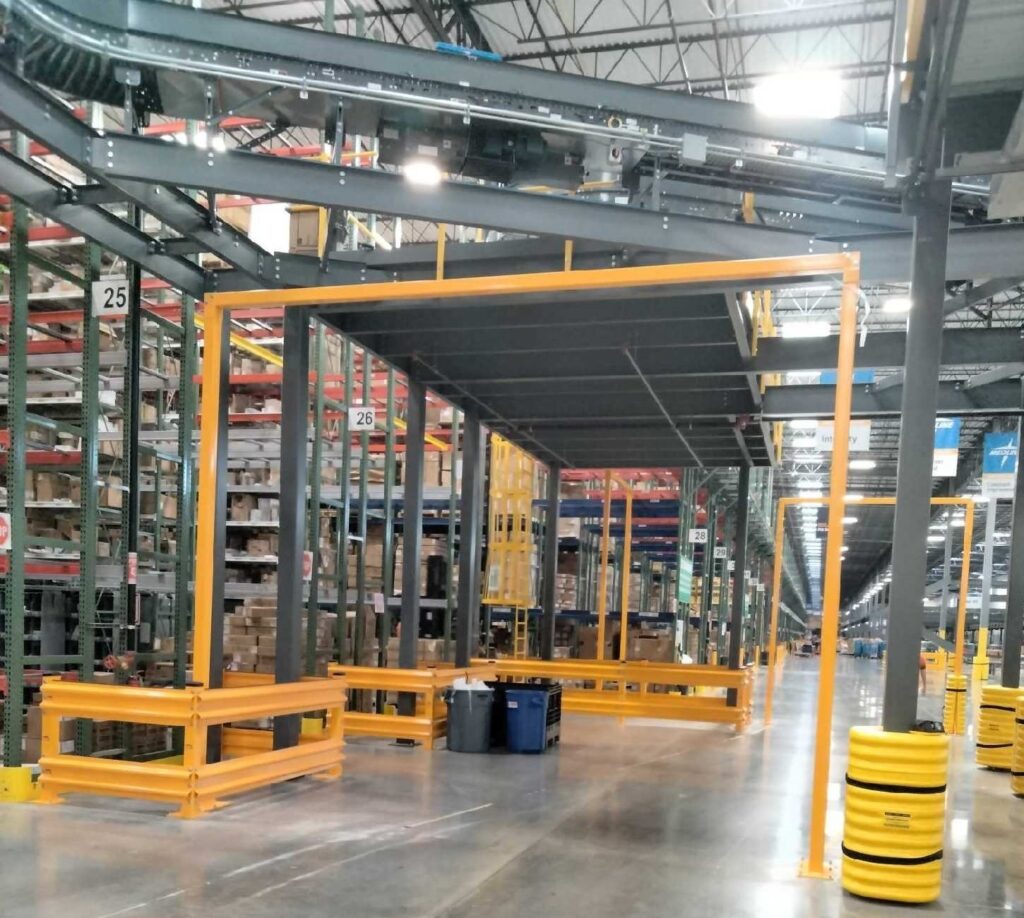
Apex Companies provides custom retrofit pallet rack guarding designed to work with your existing racking, not against it. From column protectors and end-of-row guards to safety netting and other pallet rack safety accessories, our team matches the right guarding to your rack style, traffic patterns, and budget.
Our safety specialists can perform an on-site rack review, identify high-risk areas, and recommend best-fit retrofit solutions. You get a clear, practical plan that shows where guarding will make the biggest impact on safety and rack life.
Summary: Stretching Your Safety Dollar
Retrofitting pallet rack guarding is one of the simplest ways to upgrade warehouse safety without replacing your racking.
By adding guards and containment where impacts and product falls are most likely, you protect your people, your inventory, and the rack system you already invested in. The cost of guarding is small compared to a single serious incident, equipment repair, or a day of downtime.
Ready to retrofit?
Let the Apex team review your racking and recommend the right guarding package for your facility. Contact Apex today to schedule a free safety evaluation with our experts and start stretching your safety dollar.
