
Anchoring Isn’t Just For Boats! Secure Your Pallet Rack Too

Proper Pallet Rack Anchoring Kickstarts Your System’s Safety
If you rely on pallet racking to organize and safeguard inventory in your Carolina warehouse, you’re obviously not alone. Pallet rack systems are ubiquitous in most industrial settings; however, considering the extreme load weights and constant interface with warehouse vehicles, it is critical to ensure the safety of your racking.
The RMI, rack manufacturers, and local building codes all instruct on proper anchoring, highlighting the significance of this single safety detail. While proper installation is imperative to system safety, so is regular inspection and maintenance. Here is what you’ll need to know to safeguard your Carolina operation.
WHAT RMI SAYS ABOUT PALLET RACK ANCHORING
Accepted guidelines issued by the Rack Manufacturer’s Institute (RMI)* indicate that all columns (aisle & rear) on all frames be furnished with baseplates to allow for secure anchoring to the warehouse floor. Anchor bolts must meet established specifications, as well.
The Rack Manufacturers Institute (RMI) provides safety guidelines for pallet rack. According to the institute, “All columns (aisle and rear) on all frames must be furnished with baseplates to anchor the rack to the warehouse floor.” RMI anchor bolt requirements and the manufacturer’s guidelines must also be followed.
SECURING YOUR PALLET RACK SYSTEM

What is a baseplate?
Baseplates are thin sheets of metal that attach to the base of the column to enhance the stability and load-bearing capacity of the rack systems. They typically have at least two pre-drilled holes for anchoring the concrete floor.
Baseplate design is not universal and varies by manufacturer. Hole diameter, for example, can range from ⅜ inch to ¾ inch. Your rack will be equipped with baseplates that meet its needs, but areas with higher seismic activity may require thicker or larger baseplates. Your Apex Carolinas team can help ensure your rack is manufactured according to our region’s appropriate specs.
ANCHORING OPTIONS
You may see baseplates with unused holes – but that doesn’t mean the pallet rack is unsafe. During the rack design phase, an engineer will specify the quantity, brand, and size of the anchors required to secure the column – and it’s one anchor per baseplate. The extra holes on a baseplate act as a backup if the installer hits rebar during drilling or for future rack repositioning.They’re also handy for re-anchoring if the original anchor becomes damaged.
Baseplate anchors do their job well, but it’s recommended that most rack systems have an additional connection point to maintain vertical stability.
SECURING SINGLE ROW PALLET RACK
Some pallet rack manufacturers recommend using wall ties to secure a row to the building –but Apex only recommends anchoring to a structure if the building engineer has inspected the installation and approved of wall ties. The risk of skipping this step could put excessive strain on the building, risking its structural integrity. An alternative to wall ties is overhead row ties connecting rack rows from top to top.
SECURING BACK-TO-BACK PALLET RACK
Pallet rack systems positioned back-to-back require an opening between them called a flue space. This space is a fire safety feature, allowing overhead sprinkler access to the lower rack levels. To help stabilize the rack rows, row spacers attach at the second horizontal brace point and then at every second one to the top of the frame. These steel bars also provide added stability to the rack system.
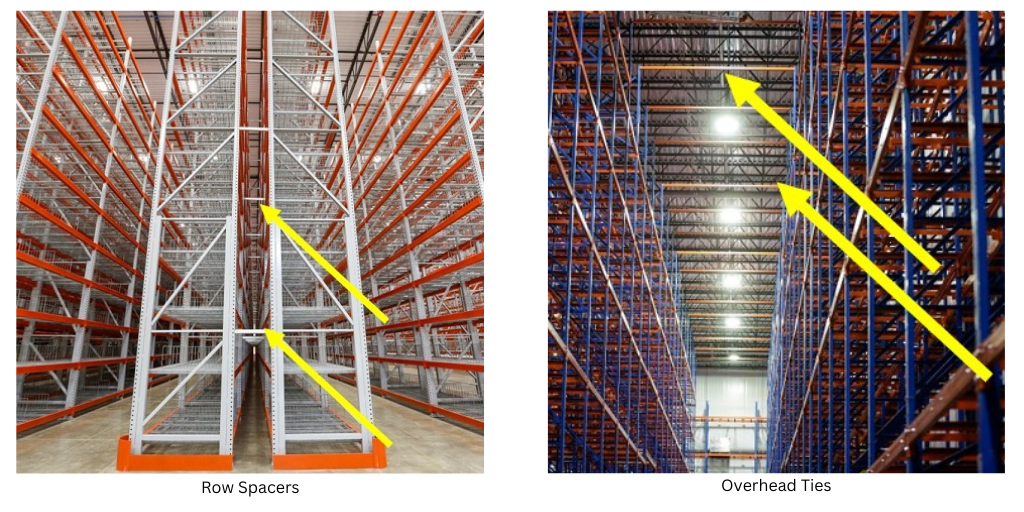 Guard your Anchors!
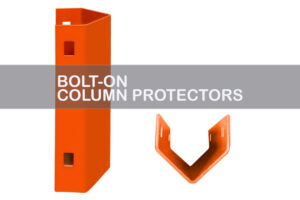
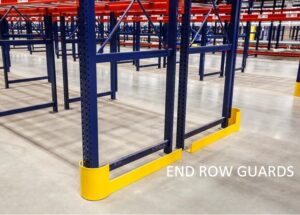
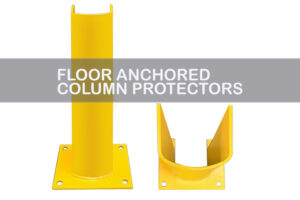
Baseplates are responsible for safety in the day-to-day use of your rack system, but they don’t protect against accidents or forklift strikes, which can quickly affect rack stability. An ounce of prevention is worth a pound of cure – so protect against equipment strikes with column protectors and end row guards.
 |
 |
 |
Monthly rack inspections should be completed, including examination of anchors and baseplates for any forklift damage or loosening from floor vibration. The Apex Rack Repair App makes system inspections easy! The Free app guides you through the process of a thorough rack inspection –including your baseplates and anchors.
Not interested in the DIY approach? Apex has locations conveniently located in both North and South Carolina, and our certified rack inspection PROs are always available for an on-site visit. No matter which option you choose, you’ll always receive a non-biased assessment and custom repair solution if recommended.
Download the Rack Repair and Inspection App or give Apex Carolina’s a call today and anchor your team and operation in safety!
