
5 Signs It’s Time to Rethink Your Pallet Racking Design

What Your Pallet Rack Design Might Be Telling You
Is your current pallet racking system supporting your inventory… or weighing down your operations? Even the best racking systems can become outdated as your warehouse evolves. When layout, capacity, or safety no longer align with your workflow, it’s time to take a closer look at your pallet racking design.
One of the greatest advantages of pallet rack systems is their adaptability. Beam levels, frame heights, and configurations can often be reprofiled to meet new demands. But before you start making changes, it’s essential to understand that pallet racking design is an exact process. Any reconfiguration or expansion should begin with a professional evaluation and receive approval from a licensed engineer before starting to ensure structural integrity and code compliance.
Let’s explore the signs your system may be sending that it’s time for an update.
Has Your Warehouse Outgrown Your Pallet Racking Design?
One thing warehouses are not is static. If you’re like most active facilities, your operation has evolved over time. Whether it’s new SKUs, increased inventory, added automation, or the pressure of higher, faster throughput demands, you’re adapting.
But if your pallet racking hasn’t kept pace, you’re at risk of reduced efficiency and increased safety concerns. Here’s what to evaluate to determine if yesterday’s rack meets today’s needs.
1. You’re Running Out of Room—But Not Out of Options

If your warehouse feels congested or disorganized, chances are your pallet racking design isn’t making the best use of your space. Overflow inventory stacked in aisles, crowded pick zones, and pallets stored in temporary locations are all signs that your system has outgrown its layout—or was never optimized to begin with.
And while expanding your warehouse footprint may not be feasible, reconfiguring your current pallet racking design often is. Underutilized vertical space is one of the most overlooked assets in busy facilities. Strategic redesign can open up floor space for staging, packing, or new automation zones while moving slow movers up and fast movers into high-access locations.
Key space-efficiency red flags:
- Cluttered aisles and blocked access paths – Overflow inventory or temporary pallets taking up walking and equipment routes.
- Empty vertical zones above top pallet positions – Valuable cubic space left unused, limiting overall capacity.
- Workstations squeezed between racking rows – Reduces productivity, comfort, and safety for staff performing essential tasks.
- Increased travel time across the floor – Poor product placement or rack layout causes inefficient picking and replenishment routes.
Design tip: Use order and travel data analysis to set fast movers low, stage surplus up high, and fine-tune aisle flow for efficiency.
2. Your Racking Can’t Keep Up with Changing Inventory Demands
Whether you’re managing seasonal spikes, product rollouts, or SKU volume expansion, your pallet racking system needs to adapt as quickly as your inventory does. An inefficient layout can lead to slowdowns, misplaced stock, and unnecessary handling.
Reconfiguring your rack system can make the difference between a warehouse that runs smoothly year-round and one that struggles to keep up.
Warning signs your system lacks adaptability:
- High-turn SKUs in hard-to-access locations – Slows down picking during peak periods or rapid inventory turns.
- Disorganized or inaccessible inventory – SKUs stored in random locations, shared bays, or stacked unsafely due to lack of designated space.
- New SKUs don’t fit the rack footprint – Mismatched sizing or poor placement leads to inefficiency and underused space.
- Low-velocity items taking up key access areas – Poor product rotation strategy that hurts efficiency.
- Missed opportunities during slower cycles – Downtime isn’t used to reprofile, repair, or improve flow.
Design tip: A modular racking system will allow you to pivot, whether for holiday season prep, promotional restocking, or adapting to a shifting SKU mix. Just remember: any reconfiguration should be reviewed and approved by a qualified engineer to ensure safety and compliance with local codes.
3. Incompatible with New Automation
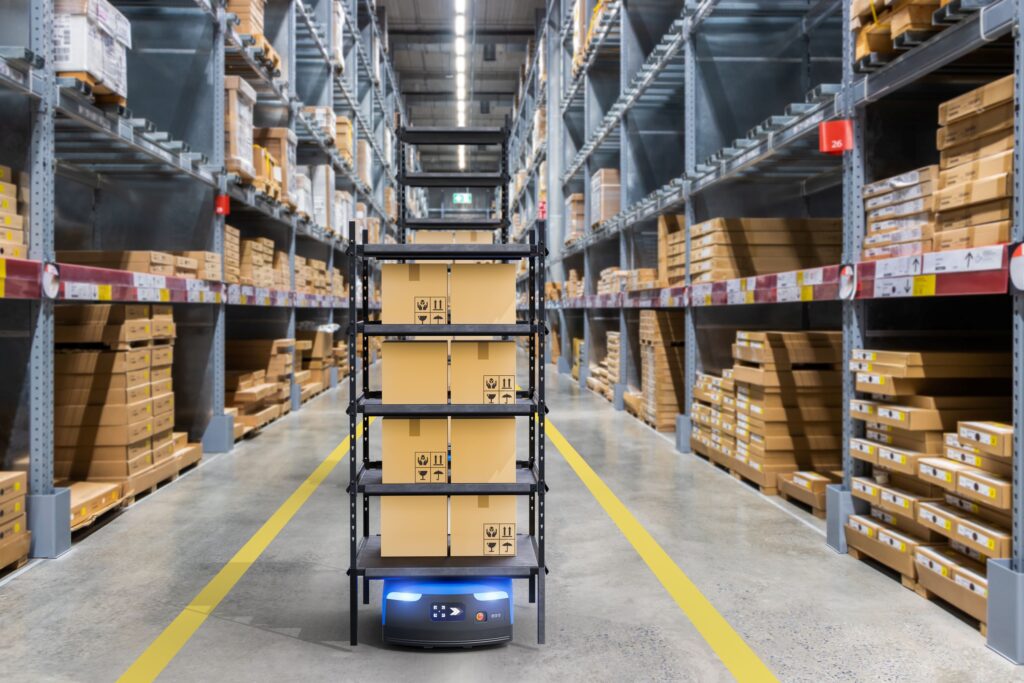
With warehouse operations embracing automation equipment and systems, pallet racking must also evolve. Racking not engineered for tech integration can become a major roadblock to efficiency and scalability.
Signs your system isn’t tech-ready:
- Inconsistent bay dimensions or labeling – Makes it difficult for WMS, AGVs, or AMRs to operate accurately.
- Aisle spacing incompatible or uneven for robotic navigation – Prevents integration of automated vehicles.
- Frequent manual workarounds required – Indicates the system wasn’t built to integrate with modern tech, leading to wasted labor and inefficiency.
Design tip: Create an “automation-ready” rack spec: standardize bay widths/beam heights and location labeling to your WMS; set aisle widths and floor flatness to the AGV/AMR vendor’s tolerance; add end-of-aisle guarding and keep sensor lines-of-sight clear (no overhangs). Pre-plan power/data drops and navigation markers (reflectors or QR tags), then pilot one aisle with your integrator and a qualified engineer before scaling.
4. You’re Adding Staff to Mask Inefficiencies
If you find yourself hiring up to plug gaps in workflow instead of addressing root problems, it’s time for a strategic reset. A pallet racking system not designed for optimal flow causes delays, frustration, and larger operational costs… and often drives employee turnover.
Signs labor is compensating for layout issues:
- High turnover or absenteeism – Studies show inefficient environments lead to fatigue, stress, and employees leaving.
- New hires help to maintain pace – If onboarding keeps pace with demand rather than improving efficiency, something’s wrong.
- Frequent manual workarounds – Pallets stored temporarily in aisles or rehandled to fit suggest a poor racking layout.
- Employee complaints about physical strain – Poor ergonomics and repetitive motion contribute to burnout.
Replacing employees is costly (up to 6–9 months of salary per turnover), and depends on a system that supports them—no amount of hiring can solve a flawed layout.
Design tip: Optimize your racking to align with workflows and inventory characteristics—balanced ergonomics, visibility, and system coherence reduce the need for extra staffing and elevate retention.
5. Frequent and/or Repeated Rack Damage

If your racking is regularly taking hits from forklifts or pallet handling equipment, it’s a clear sign that something’s off. The issue might stem from your pallet racking design, aisle widths, equipment compatibility, or even gaps in operator training. Regardless of the root cause, repeated damage should never be ignored.
Common damage indicators:
- Consistent impact along a row — Multiple damaged uprights or beams in a single aisle may indicate a mismatch between rack layout and equipment turning radius.
- Leaning uprights – Could signal loose anchors or uneven loading.
- Bowed or unlevel beams – May indicate improper load distribution or overloaded levels.
- Gaps between beams and uprights – A sign of excessive weight or incorrect installation.
- Bent or broken connectors – Could be standard wear or an indication of exceeded load capacity.
- Rust or corrosion – Any rust should be addressed immediately, as it weakens structural integrity.
Recurring damage is more than a maintenance issue—it’s a safety hazard and a sign that your current setup may no longer effectively support your operation.
Pro tip: Schedule a rack inspection to address your rack safety concerns promptly.
How Apex Can Help You Update Your Pallet Racking Design
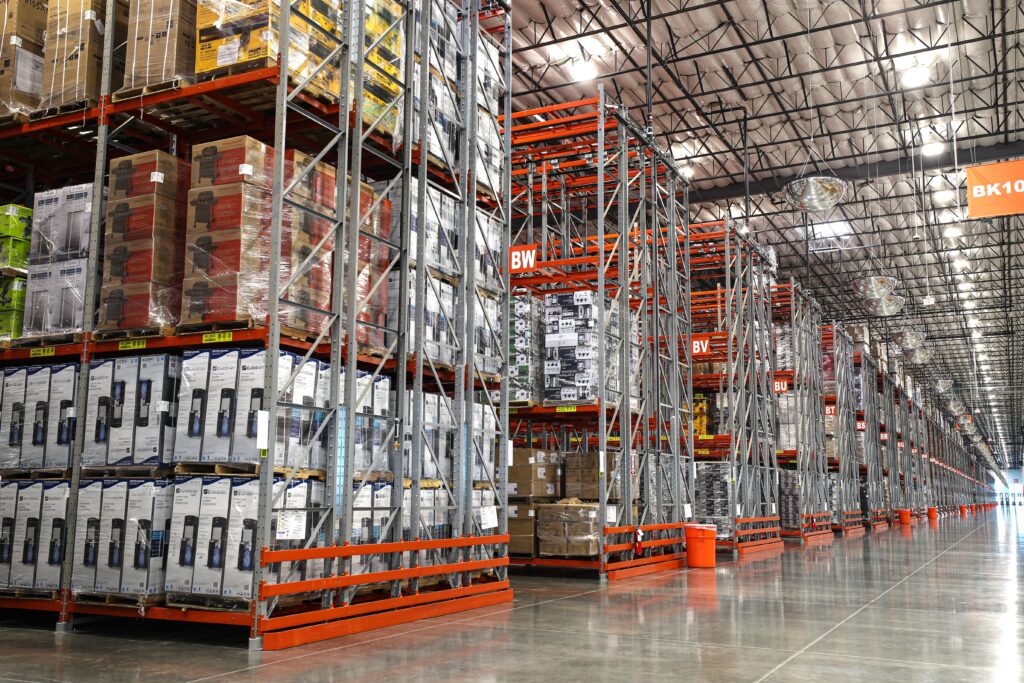
At Apex, we specialize in designing racking systems that flex with your business needs today and tomorrow. Our team assesses your current layout, inventory profile, and operational demands to recommend smart reconfigurations or full-system upgrades that improve safety, flow, and storage efficiency.
Our services include:
- Expert layout and profiling analysis
- Custom pallet rack design and engineering
- Turnkey installation and system integration
- Rack repair, inspection, and safety audits
Let’s talk about your space. Contact us to schedule a free racking assessment or explore our pallet racking solutions.
Check Out Our Related Blogs!
