
Warehouse Heat Safety Spotlight: Preparing for OSHA’s Proposed Heat Rule

What Facility Teams Can Review Before Heat Becomes an Operational Risk
Warehouse heat safety is becoming a year-round planning topic for facility managers, safety teams, and operations leaders. While outdoor heat exposure often depends on weather and seasonal conditions, indoor warehouse heat risk can build when warm conditions combine with physical work, limited airflow, and active operations.
OSHA has proposed a new federal heat safety standard for indoor and outdoor work settings. While the rule is not final, heat hazard prevention remains an active OSHA priority, making this a good time for warehouse teams to review work areas, employee training, hydration and rest procedures, acclimatization practices, emergency response plans, and air movement needs.
For facility leaders, the goal is not just employee comfort. Heat hazard prevention supports safer work, better supervision, steadier productivity, and fewer disruptions when temperatures rise.
Warehouse Areas That May Need a Heat Hazard Review
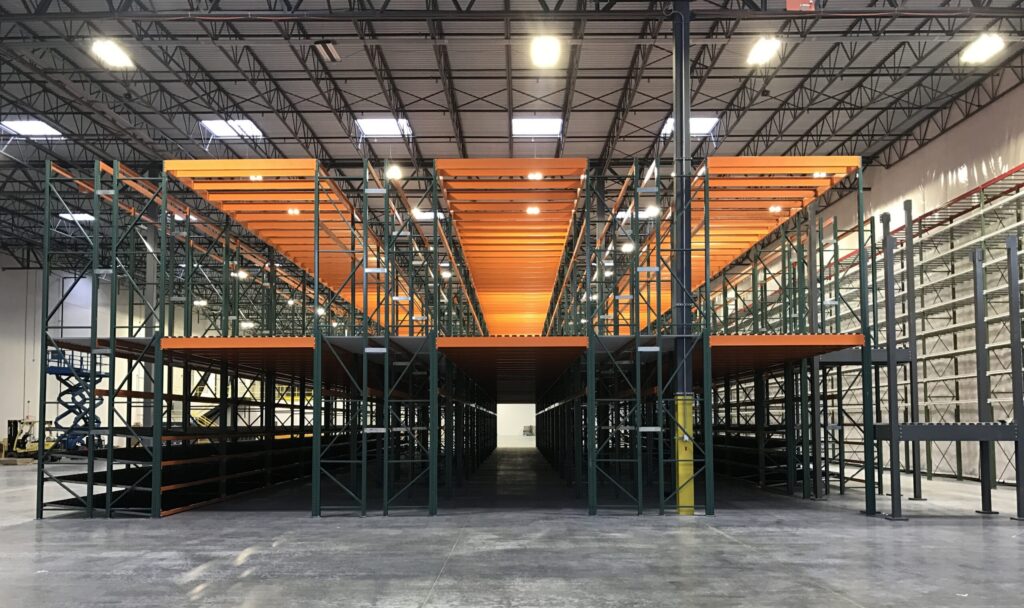
A warehouse heat hazard review should start with the areas where employees are most exposed to heat, physical effort, or limited air movement during the workday.
Areas to review may include:
- Loading docks and staging areas: Open dock doors, equipment traffic, wrapping, staging, and loading work can create hot, high-activity zones.
- Trailers and containers: Enclosed trailers can trap heat, especially in direct sunlight, while employees perform physically demanding loading or unloading.
- Mezzanines and elevated platforms: Warm air rises, so elevated work areas may feel hotter than the main warehouse floor.
- Pick modules: Employees may spend long periods walking, reaching, climbing, and picking in dense layouts with limited air movement.
- Pack stations: Workers often stay in one place for long periods, and heat can build around workstations, conveyors, and nearby staging areas.
- Battery charging or maintenance areas: Equipment, chargers, and service work can make these zones worth reviewing for airflow and safe work conditions.
- Dense storage aisles: Tall racking, narrow aisles, and packed inventory can reduce circulation and make it harder for heat to dissipate.
- Outdoor yard, loading, or transfer areas: Yard work and outdoor material movement should be included in the heat safety review, even if most work happens indoors.
The goal is to find where heat, physical effort, exposure time, and limited airflow overlap. These areas may need stronger supervision, easier access to water, better break planning, improved airflow, or workflow adjustments.
Practical Steps Facility Teams Can Take Now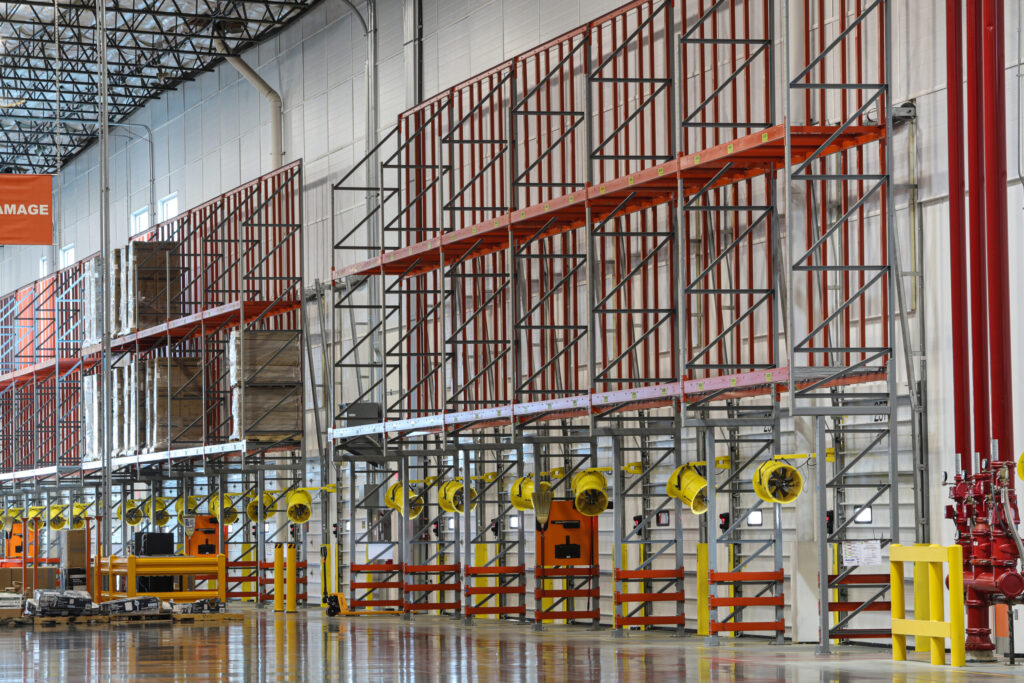
Facility operations teams do not need to wait for a final federal rule to start improving warehouse heat safety. The most useful first step is to review how heat affects the actual workday: where employees are working, how hard the work is, how long exposure lasts, and how quickly supervisors can respond if symptoms appear.
A practical review should include:
- Walk the facility during peak heat periods: Review docks, trailers, mezzanines, pick modules, packing areas, and yard zones when heat is most likely to affect the work, not only during cooler parts of the day.
- Identify heat-plus-effort work zones: Look for areas where limited airflow overlaps with lifting, wrapping, pushing, pulling, long travel distances, or repeated trailer loading and unloading.
- Review water, rest, and recovery access: Confirm employees can reach water and cooler recovery areas without leaving the workflow so far that breaks become hard to take consistently.
- Train supervisors to act early: Supervisors should know the symptoms of heat illness, how to slow or stop work, when to move someone to a cooler area, and when to escalate for medical help.
- Adjust work pacing when conditions change: During high-heat periods, teams may need to shift heavier work earlier, rotate tasks, add observation, or reduce unnecessary travel and manual handling.
- Build acclimatization into labor planning: New, temporary, seasonal, and returning workers may need lighter workloads, closer observation, and gradual exposure before working full shifts in hot conditions.
- Review equipment, layout, and storage flow: Poor staging, long travel paths, congested docks, or inefficient storage layouts can add physical strain that becomes harder to manage in warm conditions.
- Check air movement in active work areas: Large open spaces, docks, packing zones, maintenance areas, and dense storage zones may need better airflow support as part of the broader heat safety plan.
- Confirm emergency response procedures: Employees and supervisors should know who to notify, where to take a worker with symptoms, how to contact emergency help, and what steps to take while waiting.
How Air Movement Supports Warehouse Heat Safety
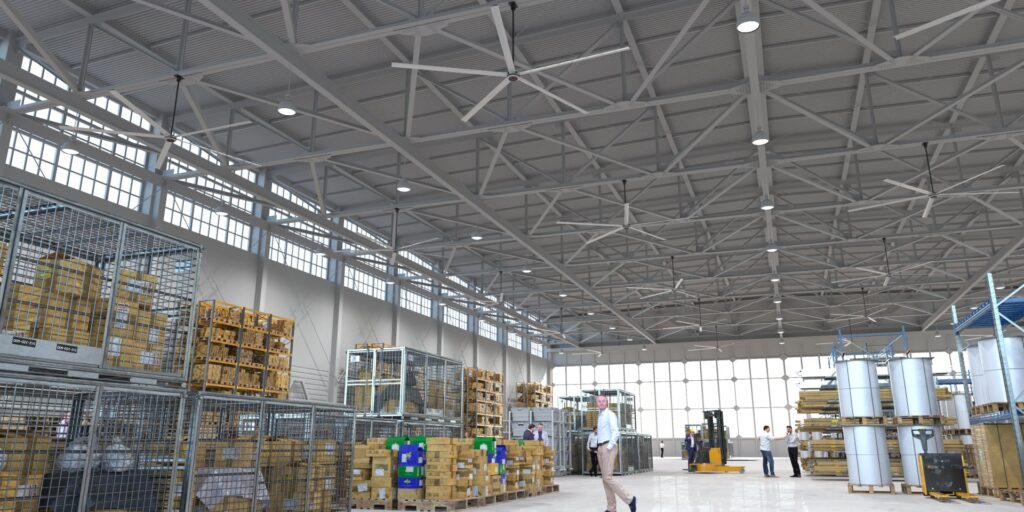
Air movement can support warehouse heat safety by improving circulation and work-zone comfort in areas where heat and limited airflow affect daily work. It should be treated as part of the facility plan, not a replacement for core heat-hazard prevention practices such as hydration, rest breaks, acclimatization, training, supervision, and emergency response.
For warehouse and facility teams, the practical question is where airflow would have the greatest impact. Apex Air Control Systems can help evaluate options such as:
- HVLS fans for large-volume air movement in open warehouse, manufacturing, and distribution areas.
- Mobile fans for flexible airflow support in changing work zones, temporary projects, or seasonal hot spots.
- Directional fans for targeted airflow near docks, packing stations, staging areas, maintenance zones, or other active work areas.
- Application-specific fan layouts based on building height, floor plan, racking layout, employee work zones, equipment traffic, and operating patterns.
The right fan strategy depends on how the building is used. A dock area with open doors, a dense picking zone, and a large open warehouse floor may all need different airflow solutions. The goal is to support better work-zone conditions without treating fans as the entire heat safety plan.
How Apex Can Help With Warehouse Heat Safety
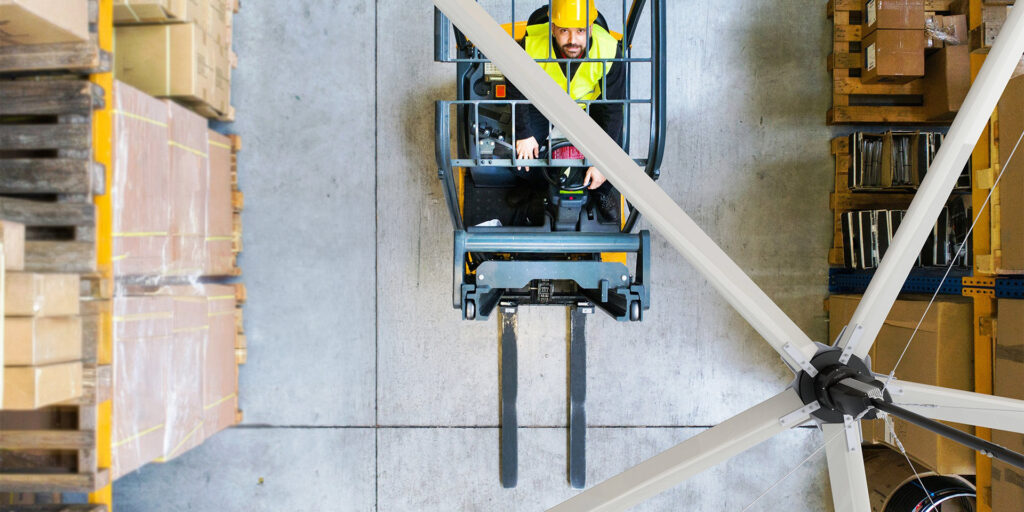
Apex can help warehouse and facility teams review the layout, storage systems, material handling flow, dock activity, ergonomic concerns, and air movement needs that affect daily working conditions. These factors can influence where heat builds, where employees work hardest, and where airflow support may be most useful.
Through Apex Air Control Systems, Apex can help identify fan solutions that fit the facility, including HVLS fans, mobile fans, directional fans, and targeted airflow options for specific work zones. The right approach depends on the building, work patterns, equipment placement, and the areas where employees spend the most time.
Planning for summer heat or reviewing your warehouse safety strategy? Talk with Apex about Air Control Systems, warehouse layout, and material handling solutions that support a safer, more efficient operation.
Contact the Apex team to review your facility’s air movement, layout, and material handling needs before peak heat conditions affect daily operations.
