
Pallets – The Unsung Hero of Your Colorado Warehouse

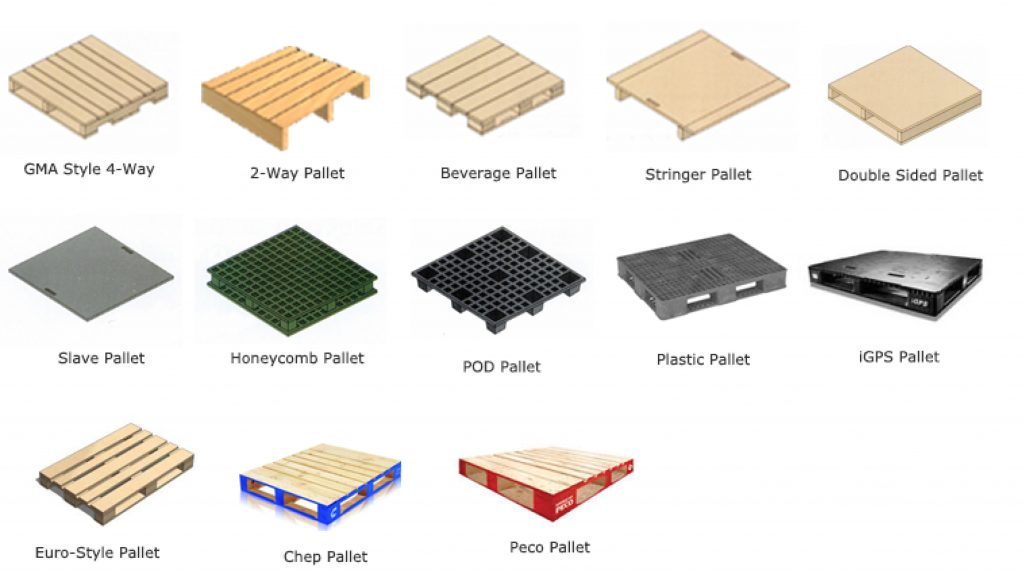
What are the essential components of a successful warehousing operation? Pallet racking, shelves, handling equipment, employees, and inventory control software all make the list. But without one key item, your warehouse won’t function: pallets. Experienced warehouse managers and logistics teams understand the importance of choosing the right pallet for specific inventory. However, there’s a lot to consider when making that choice. Drawing from our extensive experience with storage system design and installation, we’re here to walk you through the basics—the pros and cons of selecting cost-effective pallets and how planning can make all the difference.

One of the first considerations in pallet selection is how pallets will fit within your racking system (rack width vs. depth). For standard-sized pallets (48” x 40”), rack frame depths are typically designed at 42” or 48”. Each option has its advantages and potential challenges, which should be discussed with your rack designer. If you plan to use non-standard pallet sizes, a custom pallet rack configuration may be necessary to fit the dimensions. Addressing these needs early in the process can help you avoid last-minute adjustments or costly rack reconfigurations.
Determining your rack frame design will also guide your choice of pallet material. Whether you select wood, plastic, metal, or a combination, your pallet rack system should be tailored to optimize your resources, including inventory, building specifications, and equipment. Learn more about specialized selective pallet rack design here.
Exploring the Most Popular Materials for Your Pallets
Let’s dive into the most commonly used pallet materials and what each brings to the table:
- Wood
- Plastic
- Metal
When you think of pallets, wood is likely the first material to come to mind. So, let’s start there: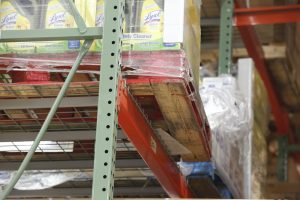
Wood Pallet Pros:
- Affordable
- Lightweight
- Customizable
- Repairable
- Recyclable
- Can support weights up to 300 pounds

Wood pallets, made from various types of wood with differing moisture contents depending on the manufacturer, are a versatile and cost-effective option. However, there are some considerations to keep in mind when using them.
Wood pallets may pose risks for inventory that is susceptible to bacterial or chemical contamination. The natural moisture in wood can harbor bacteria or transfer moisture to exposed inventory, potentially causing damage. Additionally, wood is vulnerable to pest infestations, splintering, and loose fasteners like nails or screws, which could snag exposed inventory.
Despite these concerns, wood pallets are an excellent choice for sealed or non-biodegradable materials. For example, the Grocery Manufacturer’s Association (GMA) has established guidelines for high-quality wood pallets, making them ideal for storing and handling grocery goods. These GMA specifications are widely adopted across industries, signifying quality, consistency, and durability.
Plastic pallets, on the other hand, are gaining popularity year after year.
Plastic Pallet Pros:
- Durable
- Easy to clean
- Moisture resistant
- Lightweight
- Don’t splinter
- Recyclable
- Insect free
The main drawback of plastic pallets is their higher upfront cost, which can be up to three times that of wood. However, if you operate within a closed-loop inventory system (where pallets are consistently returned), plastic pallets may become a cost-effective option over time.
Other considerations include weight limits exceeding 1,500 pounds, heat exposure, and use in racking systems that are more dynamic in nature. While plastic pallets can tolerate most conditions, prolonged heat exposure could be an issue in certain storage or transportation environments. For dynamic rack systems like pallet flow or push-back cart systems, the pallet’s shape plays a significant role. Pod-footed plastic pallets, for instance, can work with specific pallet flow systems but are often unsuitable for cart systems without modifications. Additionally, plastic pallets may bow under heavy pressure, potentially disrupting flow in dynamic systems.
Plastic pallets are a great choice for indoor or outdoor storage, fragile items, and industries like food processing or pharmaceuticals where cleanliness and durability are critical.
Metal pallets are undeniably durable and sturdy, but they account for only a small portion of the pallet market.
 Metal Pallet Pros:
- Stiff
- Strong
- Sanitary
- Insect free
The downsides to metal pallets include their high initial cost, heavier weight, and potential susceptibility to rust.
 Most metal pallets are made from either steel or aluminum. Steel pallets are particularly well-suited for products prone to corrosion or those requiring storage in a “closed environment,” such as auto parts or ammunition.
Pallets are an Investment – Protect Them!
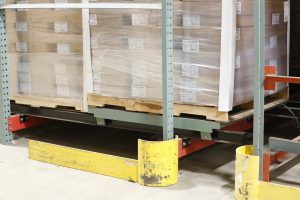
After selecting the right pallet or combination of pallets for your inventory, it’s crucial to protect that investment, just as you would with any other essential operational tool.
Ensure plastic wrap and bundling are tightly secured around inventory to prevent loose materials from causing damage during loading, unloading, or use in dynamic racking systems like pallet flow or push-back racks.
Regular pallet inspection and repair should be a standard part of warehouse operations. Investing in the upkeep of your pallets pays off through improved efficiency, reduced downtime, and minimized equipment or inventory damage.
Apex rack audit services can help ensure your system operates at peak efficiency. Our certified inspectors can perform one-time or regularly scheduled inspections, depending on your needs. We also provide custom rack repair kits for addressing excessive damage or hazardous conditions. Call us today or visit our website to learn more.
