
Drive-In Pallet Rack Maintenance Tips: What to Protect, Inspect and Fix

Matching Your Rack Maintenance Plan to Your System Design
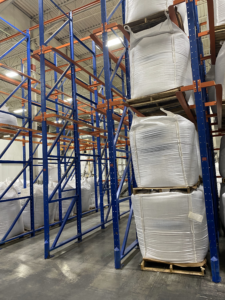
Drive-in pallet rack is a high-density storage system with clear space-saving benefits, but it also comes with its own maintenance needs and operating risks. The best way to support long-term performance is with a maintenance plan specifically designed for drive-in rack. That plan should include regular inspections, timely repairs, and the right protective measures to help reduce damage and support safe operation.
What is Drive-In Pallet Rack?
Drive-in racking is a high-density, deep-lane storage system used to store large volumes of the same or a limited number of SKUs. Designed to maximize storage capacity, it reduces the number of aisles by creating deep storage lanes that can extend 10+ pallets deep. In a standard drive-in configuration, forklifts enter the rack structure from a single aisle to place and retrieve loads, supporting a last-in, first-out (LIFO) inventory flow. Because of this stock rotation, drive-in rack is generally not the best fit for products that require strict expiration dates or lot control.
Drive-in rack is often used when maximizing cube space is a priority. Because forklifts repeatedly enter and exit the storage lanes, the system is more exposed to impact than many other rack types. That makes proper clearances, safe operating practices, and routine maintenance especially important.
It is also important to distinguish drive-in from drive-thru racking. Drive-in rack is accessed from one aisle and follows LIFO flow, while drive-thru rack is accessible from both sides, allowing first-in, first-out (FIFO) stock rotation. For operations that need tighter inventory rotation, drive-thru may be the better fit.
Because forklifts repeatedly enter the storage lanes and pallets are supported on side rails, drive-in rack requires a maintenance plan that focuses on both structural condition and daily operating habits.
Why Drive-In Rack Maintenance Matters
Drive-in rack maintenance is about more than fixing visible damage. In a system where forklifts repeatedly enter the rack structure, small issues can quickly affect safety, pallet support, and daily performance. A consistent maintenance plan helps teams catch problems early, protect inventory, reduce repeat damage, and keep the system operating as intended.
Inspection frequency should reflect how heavily the system is used, but drive-in rack should be checked regularly as part of normal warehouse walkthroughs and always after any impact event. In addition, annual professional rack inspections can help identify damage, safety concerns, and repair needs that may not be obvious during routine in-house checks.
Components of a Drive-In System
Drive-in is built for high-density pallet storage, and each component of the system plays a role in supporting safe, reliable operation. Understanding how these parts work together can also help teams know what to inspect, protect, and maintain over time.
Key components of a drive-in rack system include:
- Uprights: These vertical columns form the structural backbone of the system. They support pallet loads and connect the primary rack components, helping the structure withstand both storage demands and repeated forklift entry. Some drive-in systems also use recessed front-column designs to improve forklift clearance and help reduce damage at the rack entrance.
- Support Rails: Horizontal rails installed at each storage level within the lane that support pallets during storage and guide proper pallet placement.
- Bracing: Vertical and horizontal bracing connect the front and rear columns, helping form and stabilize the upright frames.
- Pallet Stops: Installed at the rear of the lane, pallet stops help prevent pallets from being placed beyond the intended rail endpoint.
- Baseplates and Anchors: These components connect the rack uprights to the floor, helping provide stability, rigidity, and a secure connection at the base of the system.
- Safety Guards: Column protectors, floor angles, and end-row guards are optional protective features that can help shield the rack system from costly impact damage.
Drive-in rack uses a compact, deep-lane layout that reduces aisle space and increases pallet storage within the available footprint. That same design is what makes routine inspection and system-specific maintenance so important.
Sample drive-in rack maintenance schedule:
- Daily: Check entry areas, visible damage, pallet condition, and housekeeping
- Weekly: Review rails, guards, anchors, and repeated strike areas
- After Any Impact: Inspect and evaluate before leaving the rack in service
- Annually: Schedule a professional rack inspection
What to Inspect as Part of Your Regular Drive-In Racking Maintenance Plan
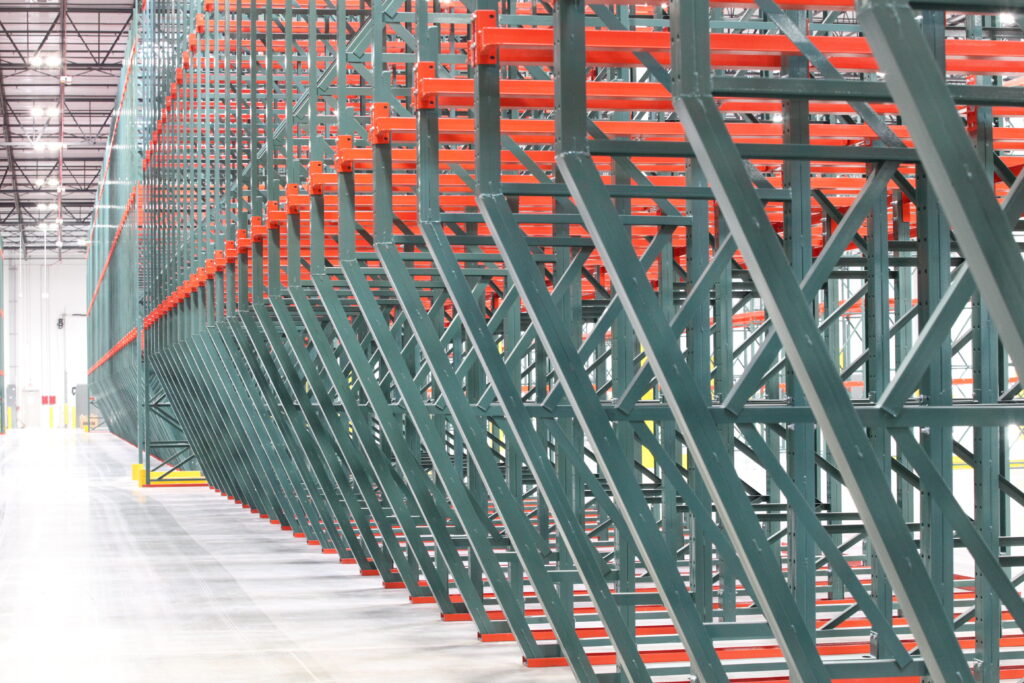
A good maintenance plan for drive-in racking should focus on the areas most likely to experience wear, stress, or forklift contact. The goal is to catch the smaller signs of misalignment and impact before they turn into shutdowns, unsafe conditions, or more expensive repairs.
All visible damage should be documented and evaluated before the rack stays in service.
Start with these main inspection points:
- Front columns and rack entry areas: These take a lot of damage from forklift entry, exit, and turning. Check for bends, twists, scraping, cracked welds, or repeated impact.
- Side rails and rail-support connections: Since pallets rest on the side rails, inspect for bent rails, looseness, deformation, or signs of loads being dragged instead of placed properly.
- Lane guides and protective components: These are floor-level features, such as column guards, end row protectors, floor channel, floor angle stops, and other impact points. Check for strike damage, loose anchoring, or repeated damage down the line.
- Anchors and baseplates: Check for loose anchors, damaged baseplates, movement at the floor connection, or cracks in the concrete nearby.
- Repeated impact areas or visible damage: If the same entry point or frame line keeps getting hit, treat it as a pattern, not random wear. It may point to a clearance, equipment, or operating issue.
- Pallet condition and load placement: Make sure pallets are the right size, in good condition, and properly supported on both rails. Poor pallet quality or improper placement can create a safety hazard, damage inventory, and make problems harder to address deeper in the lane.
For a closer look at the type of rack damage to watch for and how repair issues are evaluated in the field, check out Apex’s rack inspection video.
What To Do When Damage Is Found
When rack damage is found, the next step is to document the location and the component(s) involved. Photos are useful in determining the severity of the damage for proper evaluation. Repeated impact in the same area, visible misalignment, damaged rails, compromised pallet support, or damage at the rack entrance may all point to a larger operating or design issue.
For teams handling in-house checks, the Apex Rack Repair App can help document damaged components, capture key field specs, and support professional review. Once the audit is complete, it can be submitted to the Apex PROs for evaluation. The team can then determine whether repair is needed and provide an independent recommendation. If any rack damage presents an immediate risk, you will be notified promptly so the affected area can be taken out of service until the issue is addressed.
Safe Operating Habits Help Reduce Maintenance Issues
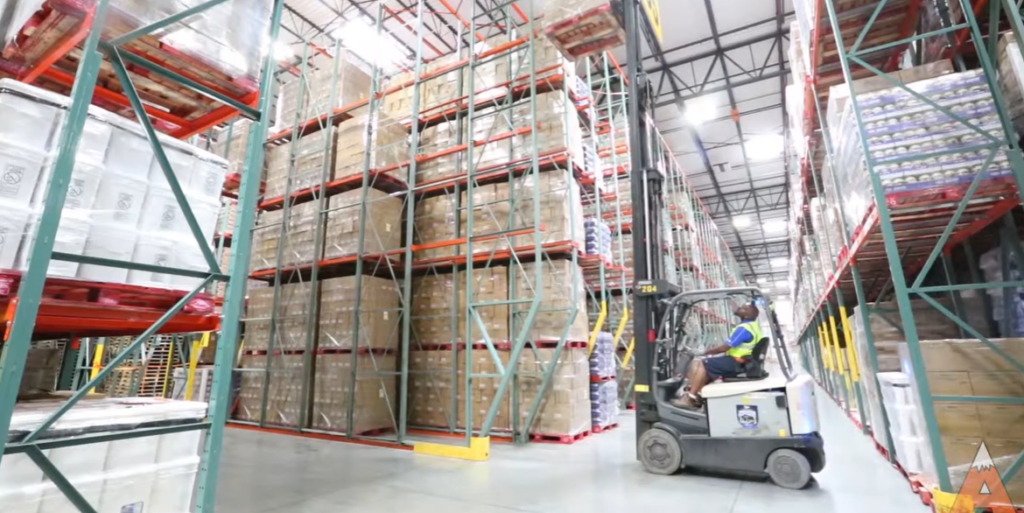
Many rack problems begin as loading habits, travel habits, or rushed corrections inside the lane. The more consistent the operation is, the less often maintenance has to solve the same preventable issues.
The practical side of rack maintenance starts with operator behavior:
- Proper forklift entry and exit practices: Approach the lane squarely, raise the load to the correct rail height before entering, and back out slowly with control. These habits help reduce strikes at both entry and exit.
- Controlled travel inside the rack lanes: In drive-in rack, speed affects maintenance as much as safety. Slower, more controlled movement minimizes the risk of contact after a bad approach or small steering error.
- Keeping pallets centered and properly supported: Loads should sit centered between the uprights and rest fully on both side rails. If a pallet is not seated correctly, it should be lifted, repositioned, and placed again rather than left misaligned.
 Avoiding impacts at rack entrances: Entry columns see repeated exposure, so operators need to respect turn radius, clearances, and rail alignment every time they enter a lane.
- Reinforcing consistent loading procedures: Lanes should be loaded in the intended sequence, and misplaced pallets should be lifted and corrected rather than pushed along the rails. That helps prevent rail stress, pallet shift, and unnecessary rack damage.
- Pallet Condition: Train operators to quickly scan pallets for warping and broken boards to avoid loading them into the system. Poorly conditioned pallets are more likely to fail within the lane, creating a safety hazard and damaging inventory.
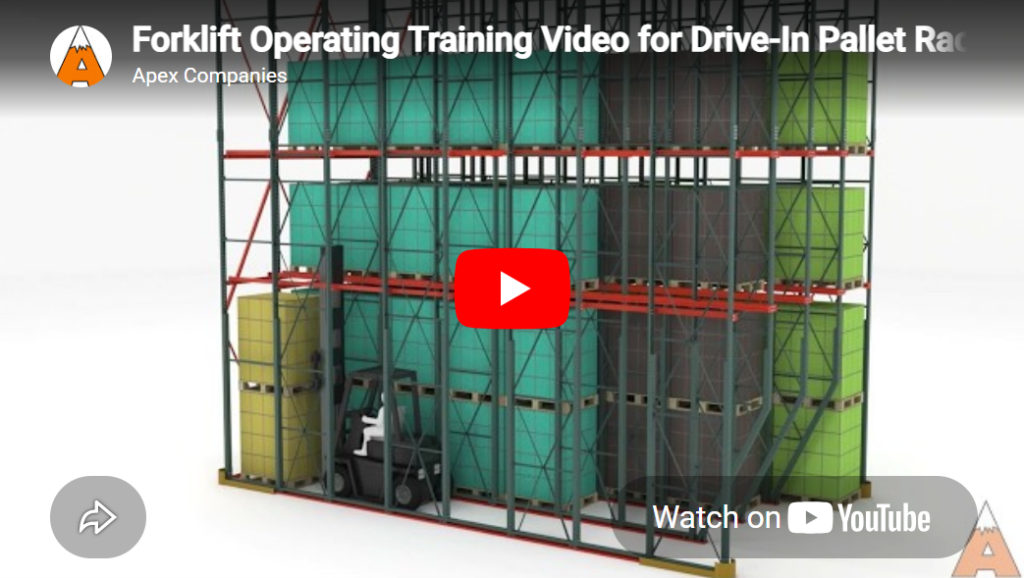
For a closer look at proper loading and unloading practices, watch the Apex operator training video.
Rely on Apex PROs for Inspections and Repairs
Routine in-house checks are important for all your storage racks. But in-house checks are not a replacement for professional rack inspections when the rack shows visible damage, recurring impact patterns, or questions about continued safe use.
Apex can support your team with:
- Professional inspections: A certified rack auditor will identify rack damage and safety risks and classify the severity. They will also note where there may be operational or design issues causing damage or increased risk.
- Damage evaluation: Not every dent means the same thing. Some damage is cosmetic. Some affects alignment, clearance, or load support. A proper evaluation helps determine what needs immediate action and what should be monitored.
- Rack repair recommendations: The point of repair is not just to replace steel. It is to restore the structural integrity and capacity the system was designed to have.
- System protection improvements: In many cases, repeated damage points to the need for better protection. That may include row-end protectors, single-column protectors, rub rails, angle stops, floor channels, boxed columns, or a different entry-frame approach to help reduce future impact.
Expert support is especially valuable when the goal is not only to fix the current problem, but also to improve long-term performance. That is how drive-in rack stays efficient and supports your long-term business goals.
Keep Drive-In Rack Safe, Efficient, and Ready to Perform
Drive-in rack can be an effective storage solution, but it needs a maintenance plan built around the way the system is used. Regular inspections, prompt repairs, safe operating habits, and the right protection at known impact points all help support safer, more reliable performance over time.
If your drive-in pallet rack system needs inspection, repair, or better protection at the rack entrance and lane-entry points, contact the Apex team. We can help you assess system condition, evaluate damage, and recommend practical next steps to support safe, long-term performance.
Get help protecting your drive-in pallet racking system… Contact the Apex Team.
