
Protecting Pallet Rack Beams from Impact, Overload, and Other Common Damage | Apex Safety Spotlight

Let’s Talk Pallet Rack Beam Safety
When inspecting pallet rack for damage, upright columns usually get most of the attention—and for good reason. Column condition, anchoring, and impact protection are essential to rack performance. But when day-to-day warehouse traffic is hard on a system, another component often deserves a closer look: the beams.
Pallet rack beams may not get the same level of attention as uprights, but they sit directly in the path of pallet handling, forklift movement, and repeated loading cycles. That makes them a critical part of rack safety, system reliability, and long-term warehouse storage performance.
This Safety Spotlight takes a closer look at how beam damage happens, where it shows up most often, and what warehouse teams can do to prevent it through better loading practices, inspections, and operator awareness.
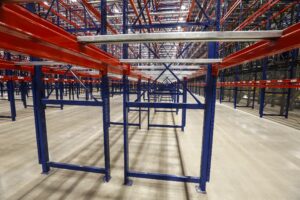
Inside Look at Step Beams and Pallet Supports in Selective Rack
Pallet Rack Beam Basics
A pallet rack beam is the primary horizontal load-support member in a storage bay. Beams connect the front and rear uprights to form the basic structural framework that supports stored inventory for each vertical level. In practice, when a warehouse team is loading or unloading a pallet into a storage bay, the beam is one of the most exposed structural components during that interaction.
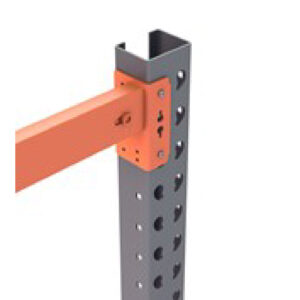
That is also why beam condition and connections matter. Both structural and roll-formed pallet rack systems use beam connector plates, but the connection details differ between the systems. Structural rack typically uses bolted connections, while roll-formed rack commonly uses safety pins or clips that help secure the beam and prevent it from dislodging if struck by a forklift or pallet load. Those “small” connection components are part of the overall protection strategy, not just installation hardware.
What Puts Your Rack Beams at Risk?
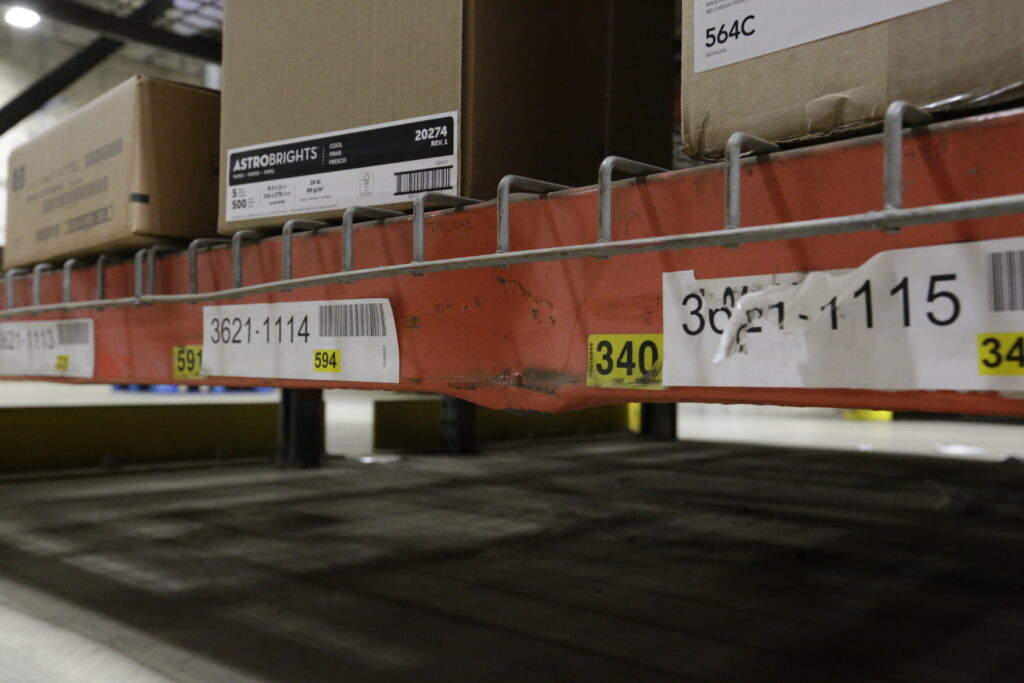
Common Pallet Rack Beam Damage
Pallet rack beams live at the exact point where equipment, loads, and structure meet. Every put-away and retrieval cycle brings pallets and lift trucks into contact with the front beam, rear beam, and beam connection points. That makes beams especially vulnerable to direct strikes, glancing blows, and repeated impact over time.
Common beam damage scenarios include:
- Forklift contact during pallet entry or withdrawal
- Pallets striking the front beam during loading
- Misaligned pallet loads shifting force onto one beam end
- Repeated impact in lower beam zones of high-traffic bays
- Damage extending into connector plates, safety clips, or adjacent uprights
What makes beam damage tricky is that it is not always dramatic. A beam does not have to be completely dislodged to create a problem. A dented beam, a compromised connector, or a missing safety clip can reduce confidence in the bay and raise questions about continued use.
 |
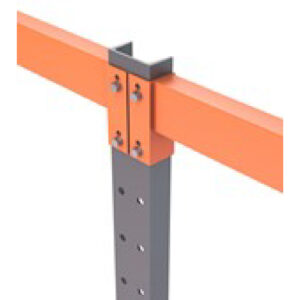 |
| Roll-Formed Beam Connector | Structural Column and Beam Connection |
Where Beam Strikes Show Up In Different Rack Configurations
Selective pallet rack is the most familiar place to start. It offers direct access and efficient storage, but it also exposes the front beam to constant loading and unloading. In these layouts, beam damage often tracks closely with aisle congestion, pallet condition, and how precisely operators can approach the bay.
Double-deep pallet rack can introduce another layer of consideration when the bottom beam level sits slightly above the floor. In these systems, deep-reach truck outriggers must glide beneath the beam during pallet loading and unloading. The trucks use outriggers for stability and a pantograph mechanism to extend the forks into the back pallet position. Because the truck operates so close to the rack, beam clearance and potential contact points deserve added attention in double-deep applications.
Push-back and pallet flow systems also deserve mention. These systems may shift some of the operational focus to lanes, carts, wheels, or controlled pallet movement, but beam design and protection still matter. The front rack interface—and the rear interface in pallet flow systems—is part of the loading and unloading process. In push-back systems or other configurations with bolted components, such as pallet supports, rails, or lane hardware, front beam damage may extend beyond the beam itself. Impact can sometimes transfer into connected components deeper in the bay, so inspectors should review the surrounding hardware and lane structure for related damage. In both push-back and pallet flow applications, the beams and connected components need to withstand repeated interaction without minor damage escalating into larger structural concerns.
7 Tips That Help Protect Pallet Rack Beams
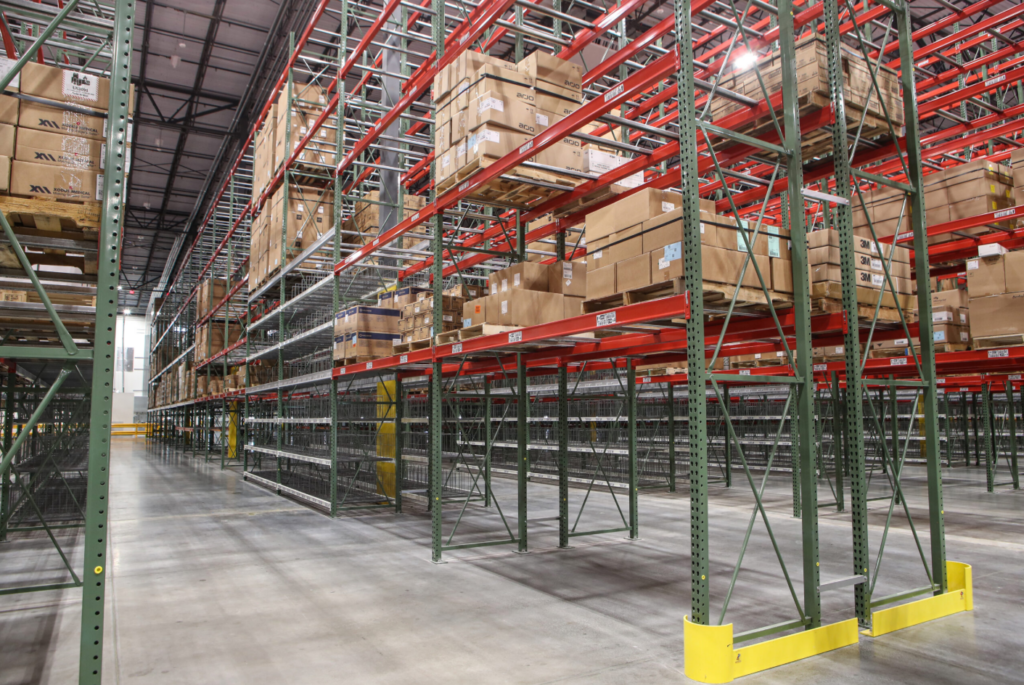
Selective Rack System
Protecting pallet rack beams is not only about avoiding forklift strikes. Beam safety also depends on using the right components, following load limits, and staying within the original system design.
A few key beam-related considerations include:
- Use the correct beam connection hardware. Beam safety clips should match the manufacturer’s recommended clip for roll-formed rack systems. Similarly, in structural rack systems, bolts and related connection hardware should also meet the manufacturer’s specifications. Because connection details vary by system, using the wrong hardware can affect beam security and overall performance.
- Clearly label the beam capacity. Pallet rack beams should be marked with the maximum load capacity, with labels facing the aisle on the front of the beam so operators can see them during normal use.
- Post system load information where it is easy to see. Load capacity plaques should be displayed in visible locations, such as at the end of each row, to identify the allowable beam load for that aisle configuration.
- Keep loads balanced across the beams. Loads should be evenly distributed to avoid placing too much stress on one end of the beam or one side of the bay.
- Make sure pallet sizes fit the system design. Pallet dimensions should align with the original rack layout, including proper pallet overhang and uniform load distribution.
- Do not change beam elevations without engineering review. Adjusting the space between beam levels can affect system rigidity and change how forces move through the rack.
- Install decking according to engineered specifications. When decking is used, it should meet the rack system’s requirements so beams, pallets, and loads work together as intended.
Operator Training Is Part of Beam Protection
Repeated beam damage is rarely just a hardware problem. Recurring damage patterns often point to an operating issue worth investigating. That could mean aisle widths are too tight for the equipment in use, visibility is limited, pallet quality is inconsistent, or operators need better guidance on entry angles and load handling.
Training topics that support beam protection include:
- Recognizing common strike zones in each rack layout
- Approaching pallet positions at the correct angle
- Handling steps for loading and extraction
- Reporting beam, clip, and connector damage immediately
- Understanding when a bay should be taken out of service for review
Protection is not only about preventing the first impact. It is also about creating an operating culture where small problems are caught early, reported consistently, and corrected before they lead to downtime or a more serious rack issue.
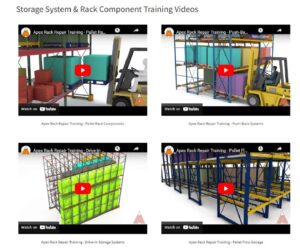
Apex forklift operator training videos, available in English and Spanish, can also serve as a helpful refresher for safe operating practices.
Inspection and Planning Factors Before Damage Turns Into Downtime
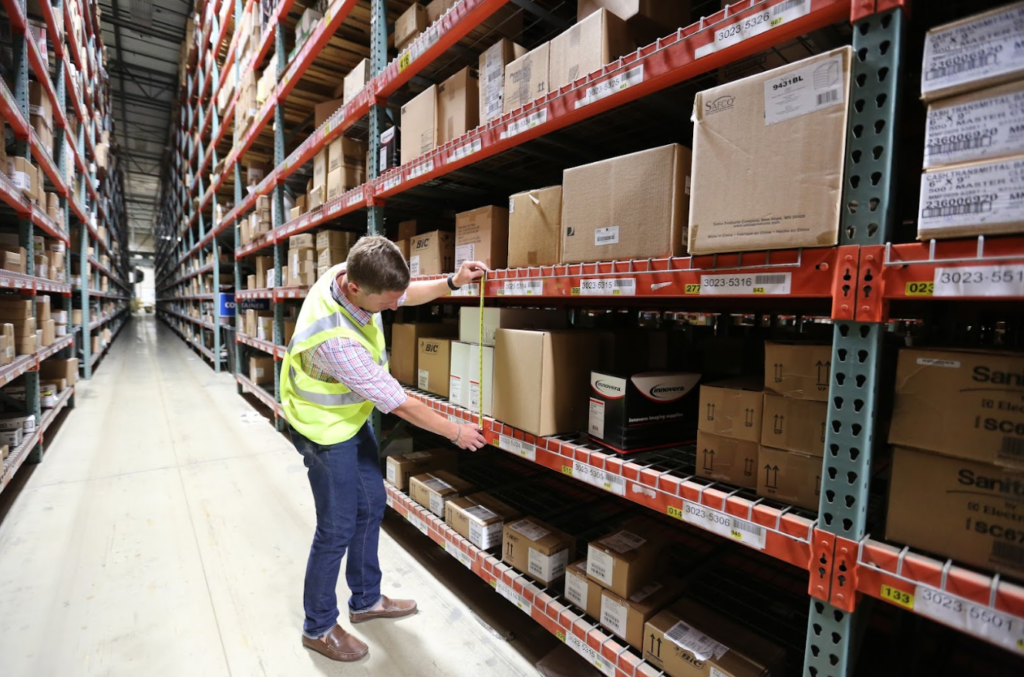
Apex PROs Inspecting Beam Span
Routine rack checks should go beyond a quick visual glance down the aisle. Beams should be reviewed for visible damage, but the inspection should not stop there. Beam connections should also be checked to confirm they are properly seated in the upright connection and that safety clips are present, intact, and correctly installed.
It is also important to look for related damage around the affected area. A beam issue may involve the connector, the upright, or nearby rack accessories, so each damaged location should be evaluated as a complete condition rather than as a single isolated component.
A more thorough beam inspection should include:
- Visible beam damage or deformation
- Beam connections that are not seated properly
- Missing or broken safety clips
- Related damage to the beam, upright, or nearby components
- Repeated damage in the same aisle, bay, or elevation
- Accurate location tracking by row and bay for each damaged area
When damage is found, the Apex Rack Repair App helps teams document it in a consistent, actionable way. The app walks users through capturing clear photos, accurate row and bay location details, and the system information needed to support faster repair or replacement decisions. Each damaged location is recorded as a separate item, helping create a more accurate picture of the rack system’s condition.
For facilities that need a more thorough evaluation, our certified rack inspectors can provide detailed inspections and practical guidance on the safest next steps.
Whether a team starts with the app or contacts the Apex PROs directly, you receive clear findings and actionable next steps if needed. The Apex team provides independent repair recommendations to restore racking to capacity and safe operation.
If you’re looking for more information on pallet rack safety, rack inspections, or rack repairs, the Apex team is ready to help. Our full-service support means you get a dedicated team of experienced professionals to see you through every step of your project.
Contact our team today for a free consultation.
Protect Beams by Protecting Daily Operations
Pallet rack beam damage often starts with everyday conditions, such as forklift traffic, pallet handling, and loading practices. Protecting beams means more than reacting to visible damage. It also means using the right components, following load limits, and maintaining a consistent inspection process.
For warehouse teams, the goal is simple: reduce repeat damage, preserve rack integrity, and keep the system operating safely.
