
Lockout Tagout for Warehouse Automation Explained

Protect Your Team with Safe Maintenance Procedures for Powered Systems
Warehouse automation is built for motion, but that same motion can become a serious hazard during maintenance. Automated systems don’t just shut down and sit idle. Even when powered off, they may contain stored energy: electrical charge in capacitors, pressure in pneumatic lines, gravity on elevated loads, or tension in springs. And in some cases, they can even restart unexpectedly.
Lockout/Tagout for warehouse automation (LOTO) exists to prevent equipment from restarting while someone is working on it. This guide explains what LOTO is, why it matters, and how it helps your team maintain compliance with OSHA safety standards.
What is Lockout Tagout (LOTO)?
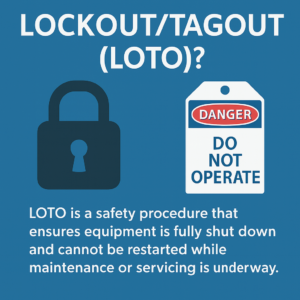
Lockout/Tagout (LOTO) is a safety procedure that ensures machines and equipment are shut down, isolated from their energy sources, and cannot be restarted until work is completed.
At a practical level, LOTO usually includes:
- Use energy-isolation devices such as disconnects, breakers, or valves to physically block any stored or active power sources.
- Applying locks (lockout devices) to those isolation points so the equipment cannot be re-energized.
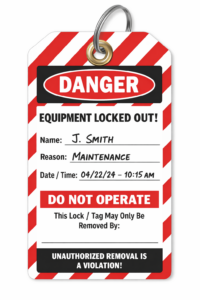
- Applying tags to communicate “do not operate,” plus who placed the lock, why, and when. Tags are warnings, though, not physical restraints.
OSHA’s LOTO standard (29 CFR 1910.147) requires employers to establish an energy control program that includes documented procedures, employee training, and periodic inspections for all covered servicing and maintenance activities.
The 6 Key Steps of Lockout Tagout for Warehouse Automation
The steps below align with OSHA’s typical sequence and common LOTO guidance, with automation-specific notes that matter in warehouses.
- Notify affected personnel. Tell operators, supervisors, and nearby teams which system/zone is going down and why. One person should “own” the communication so everyone gets the same message before work starts.
- Shut down the equipment (normal stop). Use the standard stop sequence to bring conveyors/ASRS/robots to a safe, controlled halt. Controlled shutdown reduces jams, unexpected motion, and unsafe stopping forces before you isolate energy.
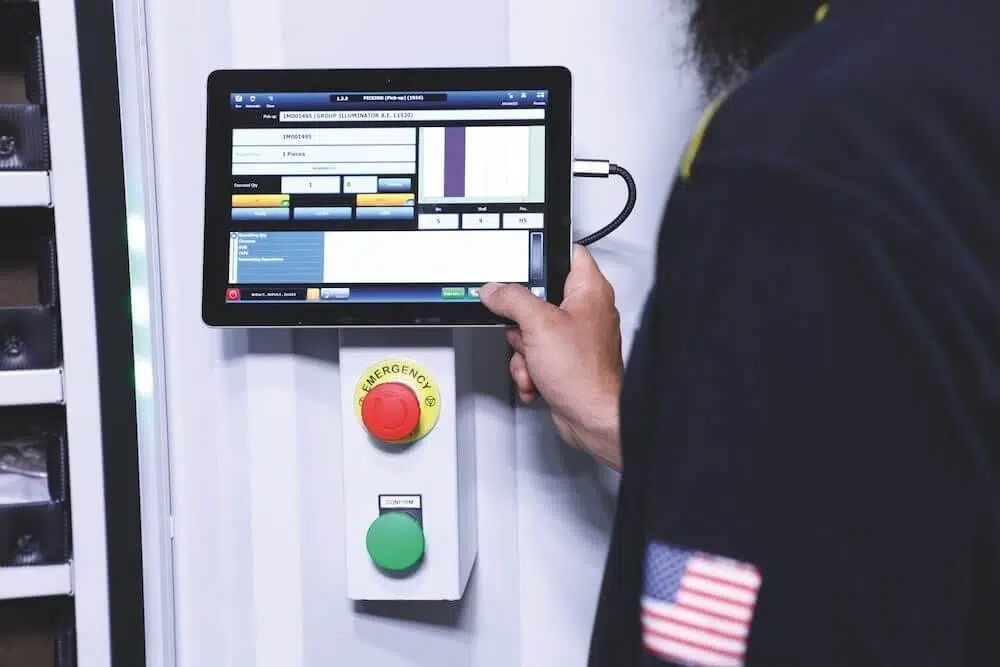
- Isolate all energy sources. Use physical energy-isolating devices, such as disconnect switches, circuit breakers, valves, or mechanical blocks, to prevent unexpected startup. Never rely on push buttons, E-stops, HMIs (human/manual interface), or PLC (Programmable Logic Controller) logic. These are control devices, not isolation devices.
- Apply lockout + tagout devices. Put approved locks on each energy-isolating device and add tags with who/what/when. For group work, use a lockbox so each person applies their own lock… This ensures no one is exposed until everyone has signed off.
- Release or restrain stored energy. Bleed air, relieve hydraulic pressure, discharge capacitors, and block/pin anything that could drop, spring, or move. Keep checking because stored energy can reaccumulate (pressure rebuilds, parts settle, gravity loads shift).
- Verify zero energy. Try a start command/test the controls and confirm the system stays inactive; re-check all energy sources. Verification is the moment that catches “we missed one feed” before someone’s hands are inside the machine.
Bonus tip: Build tailored, equipment-specific LOTO checklists. OSHA guidance notes that employers may need separate procedures where equipment differs by energy sources, connections, or control sequences. That’s extremely common across conveyors, ASRS, and robotics.
Secure the Work Zone Physically and Visibly
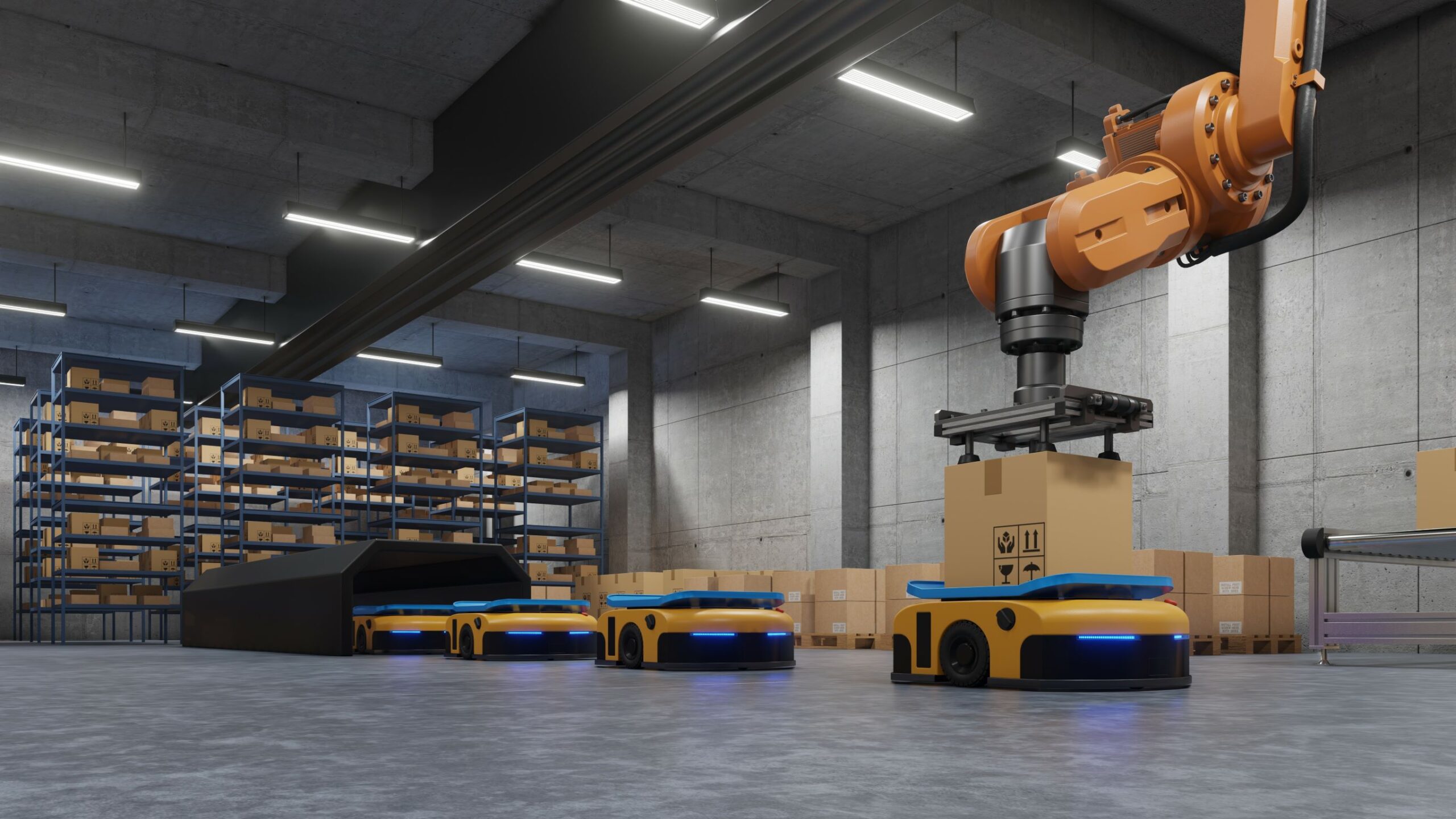
LOTO controls energy. You also need to control the space, because people and vehicles will naturally return to their “normal” paths. You need to keep everyone safe around warehouse robots and automated equipment.
Physical zone control
Use simple, visible controls that fit your site:
- Portable barricades, cones, or tape to block access points.
- “Equipment Under Maintenance / Do Not Operate” signage at entry points and local controls.
- For mobile systems (AGVs/AMRs), pause missions and apply fleet-level controls, plus physical boundaries where units normally travel.
In automation-heavy facilities, you often have multiple entry points (catwalks, crossovers, access doors, maintenance gates). Treat each access point like a “reminder” that maintenance is live.
Visual and verbal communication
- Tags should include who/what/when information so anyone can quickly see status and ownership.
- Notify supervisors and affected workers before and after servicing. This aligns with the idea that affected employees must understand the procedure and the prohibition on restarting or tampering.
- Maintain a centralized LOTO log (paper or digital) so operations and maintenance share the same view of system status.
Verification Is Not Optional. Always Test!
Verification is the habit that prevents “we thought it was off.” Therefore, make verification consistent:
- Attempt a restart after lockout (expect no action).
- Double-check all energy sources are isolated and stored energy is neutralized.
- Verify again if conditions change (shift change, extended downtime, reaccumulation risk). OSHA guidance includes ongoing verification when stored energy can reaccumulate.
Only authorized personnel should remove LOTO devices, and removal should follow your documented steps so the restart is controlled and communicated. In fact, OSHA’s baseline expectation is that the employee who applied the lock/tag removes it.
Train and Empower Authorized Personnel for Lockout Tagout Compliance
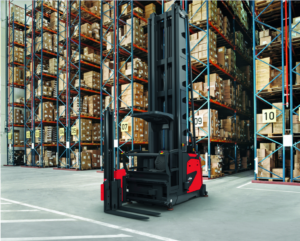
A strong LOTO program is built on role clarity.
- Authorized employees apply locks/tags and perform LOTO steps.
- Affected employees work with or around the equipment and must understand what LOTO means and why they cannot restart or tamper with locked/tagged systems.
Training should be site-specific and equipment-specific. In warehouse automation, that typically includes:
- Conveyor lines (including zones, merges, and access points)
- ASRS units (aisles, cranes/shuttles, lift interfaces)
- AMR & AGV fleets (fleet control + physical space control)
- Robotic arms/cells (including guarding and stored energy points)
- Hydraulic lift or shuttle systems
OSHA’s guidance makes it clear that an energy control program includes procedures, training, and periodic inspections. The better your training matches the real equipment on your floor, the more your team will follow it under pressure.
Partner with Apex to Strengthen Your Warehouse Safety Program
LOTO works best when it’s designed into the way your facility runs.
Apex can support warehouse and facility teams with practical safety improvements around powered systems. If you want a second set of eyes on your automation maintenance safety, reach out to schedule a system review or safety consultation.
