
Implementing Automation for Unit & Mini Loads: There’s an ASRS System for That!

How ASRS Systems Collaborate for Smarter Storage
When it comes to warehouse automation, there’s no one-size-fits-all solution. Facilities managing a wide range of products—from bulk palletized goods to split-case items—need flexibility, accuracy, and space optimization. That’s where ASRS storage systems deliver.
Let’s take a look at how two specialized automation systems—Unit Load and Mini Load ASRS—can work in harmony, not competition, to optimize reserve storage and active picking operations. Instead of choosing one over the other, many smart facilities are discovering the efficiency of implementing both to reduce material touches, increase throughput, and enhance inventory accuracy.
What Are Unit Load & Mini Load ASRS Storage Systems?
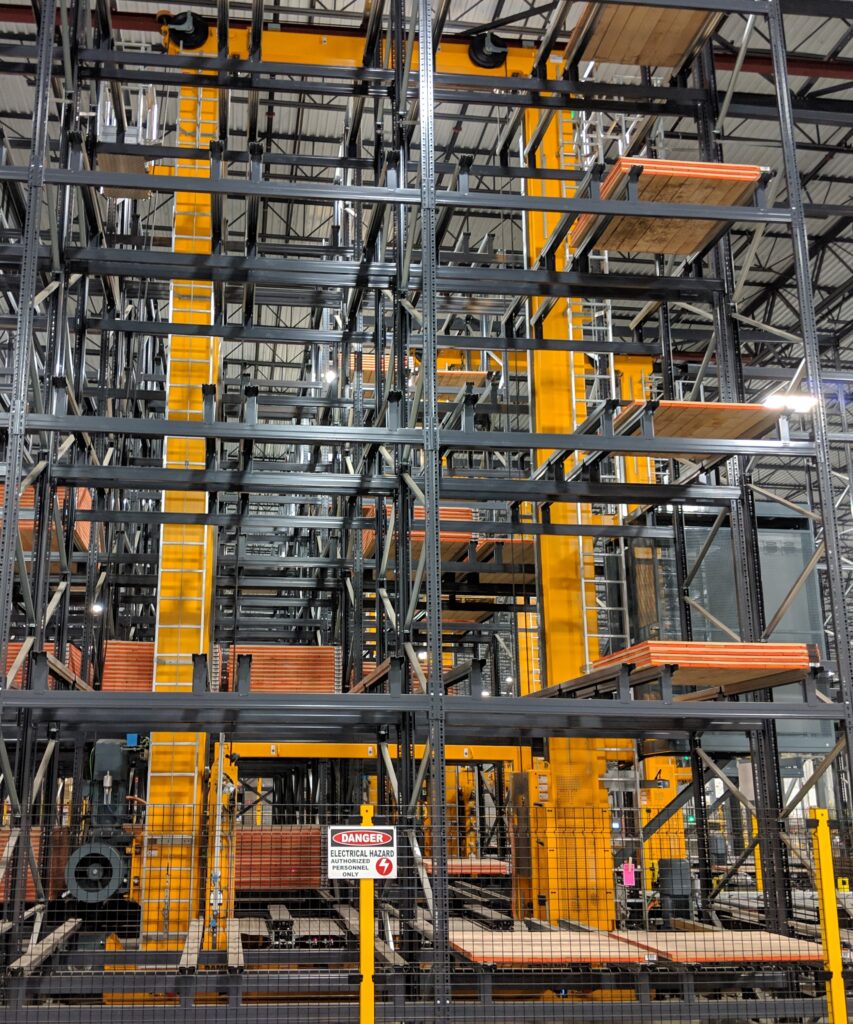 |
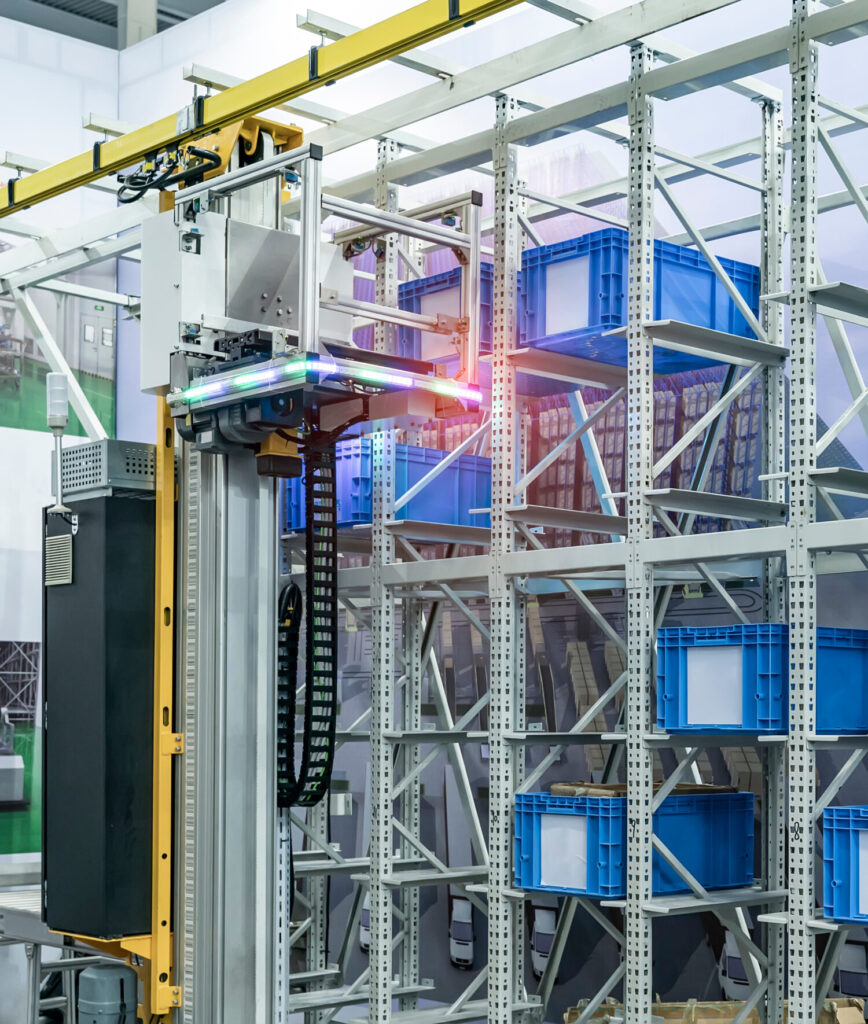 |
| Unit Load ASRS | Mini-Load ASRS |
Automated Storage and Retrieval Systems (ASRS) streamline the storage, retrieval, and replenishment of inventory. Unit Load and Mini Load systems are two of the most widely used ASRS types—each designed for a specific inventory profile and workflow.
🟦 Unit Load ASRS
- Handles palletized or large, heavy loads (typically 1,000–3,000 lbs per unit)
- Ideal for reserve or bulk storage, replenishing forward pick areas as needed
- Integrates with pallet conveyors, lifts, or AGVs
- Reduces reliance on forklifts and manual travel across long aisles
🟩 Mini Load ASRS
- Manages totes, cartons, or trays of small- to medium-sized SKUs
- Supports split-case or each-pick operations with high order frequency
- Interfaces with goods-to-person (GTP) stations for faster, more accurate picking
- Often used for e-commerce fulfillment, spare parts, or high-SKU environments
These systems work best when paired for distinct warehouse roles—Unit Load for reserve storage and Mini Load for the active pick location. Together, they form a high-efficiency, low-touch solution that keeps inventory flowing with precision.
When and Why You’d Use Both in the Same Facility
Rather than functioning in isolation, Unit Load and Mini Load ASRS systems can create a hybrid automation model—each playing to its strengths while serving different parts of the same operation.
The Hybrid Flow in Action:
- Inbound pallets are stored in the Unit Load ASRS for reserve storage.
- Product is broken down into totes or cases as needed.
- These smaller units are then replenished into the Mini Load ASRS.
- High-speed, high-accuracy picking happens at GTP stations or pick modules.
Key Benefits of a Hybrid Setup:
- Reduced touches and material handling between zones
- Optimized travel paths, reducing congestion and labor strain
- Real-time inventory tracking, improving pick accuracy, and stock visibility
- Space optimization, with vertical storage for both systems
Industry Use Examples
Unit Load and Mini Load ASRS systems each serve unique roles in the warehouse—one for bulk storage, the other for high-speed picking. When integrated, they form a hybrid automation strategy that boosts efficiency and accuracy across diverse operations. Here are two real-world examples where this pairing drives real results.
Example #1: Retail & E-commerce Fulfillment
One of the most common applications for a hybrid ASRS system is in retail and e-commerce distribution centers where order profiles vary widely, and speed is essential.
System in Action:
- A national retailer receives inbound product on pallets. These are stored in the Unit Load ASRS system for reserve inventory.
- As customer orders are received, SKUs are broken down and transferred into the Mini Load ASRS, which stages totes for fast, accurate each-picking.
- Picked orders are routed to packing stations or shipping zones for final processing and outbound delivery.
Operational Benefits:
- Supports omnichannel fulfillment, including store replenishment and direct-to-consumer orders
- Adapts to dynamic SKU profiles, including seasonal and promotional items
- Enables streamlined labor, allowing fewer workers to manage higher throughput
Example #2: Manufacturing & Assembly Support
Manufacturing facilities benefit from hybrid ASRS by automating the storage of both bulk raw materials and smaller components or ingredients used in production.
System in Action:
- Unit Load ASRS stores full pallets of raw materials or finished goods, such as drums, reels, or palletized stock, in a secure and organized manner.
- Mini Load ASRS manages small parts or ingredients—fasteners, electronic components, or food additives—organized in totes or trays.
- When a production order is triggered, the ASRS systems deliver the right materials just in time to the appropriate line or station.
Operational Benefits:
- Streamlined material flow from storage directly to the production floor
- Accurate picking of high-mix, low-volume parts and materials
- Real-time inventory tracking for lot control and usage audits
- Optimized space utilization, maximizing vertical storage for both systems
By automating both reserve and active inventory zones, manufacturers can reduce downtime, prevent stockouts, and maintain reliable production schedules—leading to improved efficiency and product quality.
Frequently Asked Questions: Is a Hybrid ASRS Setup Right for You?
❓1. Can I use Unit Load and Mini Load ASRS systems in the same facility?
Yes! Unit Load ASRS is ideal for bulk pallet storage, while Mini Load ASRS handles smaller totes or cartons. Together, they support both reserve storage and active picking zones, enabling more efficient and accurate operations.
❓2. What types of operations benefit most from a hybrid ASRS setup?
Hybrid systems are a great fit for facilities that need to store both full pallets and smaller SKU totes, especially in retail, manufacturing, and e-commerce environments.
❓3. Do I need a hybrid ASRS if I do split-case or each-pick fulfillment?
Absolutely. Mini Load ASRS is specifically designed for high-speed, high-accuracy picking at the unit or case level. When combined with Unit Load ASRS for bulk reserve storage, it creates a seamless picking and replenishment workflow.
❓4. Will a hybrid system improve inventory accuracy?
Yes. Integrated ASRS solutions offer real-time inventory tracking, reducing mispicks, misplaced items, and costly delays. This is especially beneficial in environments with high SKU variety or lot-control requirements.
❓5. How do I know if automation is the right next step for my warehouse?
If you’re looking to automate both reserve and active pick zones, improve labor efficiency, and gain greater visibility into your inventory, a hybrid ASRS setup could be the right move. Apex can help assess your operation and design the ideal solution.
Partner with Apex for Tailored ASRS Storage Systems

At Apex, we specialize in designing and integrating custom warehouse automation solutions that align with your operational goals. From consultation and layout design to installation and integration with your host operational system, we bring hands-on expertise to every step of the process.
Let Apex help you streamline operations and reach your goals with confidence.
