
Addressing Warehouse Safety Concerns for Temporary & Seasonal Workers | Apex Safety Spotlight

Warehouse Safety Is a Permanent Job Even for Temp & Seasonal Workers
Hiring seasonal and temporary warehouse workers is common practice to manage the ebb and flow of normal operational and fulfillment activities. However, it’s important to consider that your temporary workers face different risks and challenges vs. your full-time team in their respective roles.
Leading Causes of Warehouse Worker Injury
- Forklift & material handling equipment mishaps
- Physical strain from reaching, lifting, or pushing & pulling items
- Falls, slips, and trips
The Challenges Facing Full-Time vs. Temp/Seasonal Staff
The nature of temporary work brings about unique considerations for seasonal staff. Temporary workers often encounter issues such as unfamiliarity with the facility, limited training, and lack of understanding regarding the physicality required to do the job. Recognizing and addressing these concerns is crucial to ensure the well-being and effectiveness of all warehouse workers, regardless of their employment status. By understanding the specific challenges faced by temporary workers and implementing appropriate measures, warehouses can strive for a safer, more equitable, and productive work environment for all staff members.
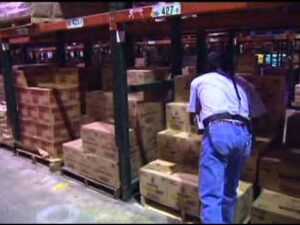 Training and Experience: Full-time staff often receive more comprehensive training and have greater experience than temporary workers. Temporary workers may be afforded limited training, which, coupled with their unfamiliarity with the specific warehouse processes and equipment, can increase the risk of accidents and errors.
Safety Awareness: Full-time staff typically understand safety protocols and are more familiar with the safety measures implemented in the warehouse. Temporary workers may need additional time to become acquainted with safety procedures, increasing the risk of accidents or injuries until they fully acclimate to their surroundings.
Physical Strain: Both temporary workers and full-time staff may experience physical strain due to the nature of warehouse work. Lifting heavy objects, repetitive tasks, and long hours of standing or moving can contribute to musculoskeletal issues. However, temporary workers who are less accustomed to the demands of the job may be at a higher risk of strain or injury.
Lead with a Safety-First Attitude
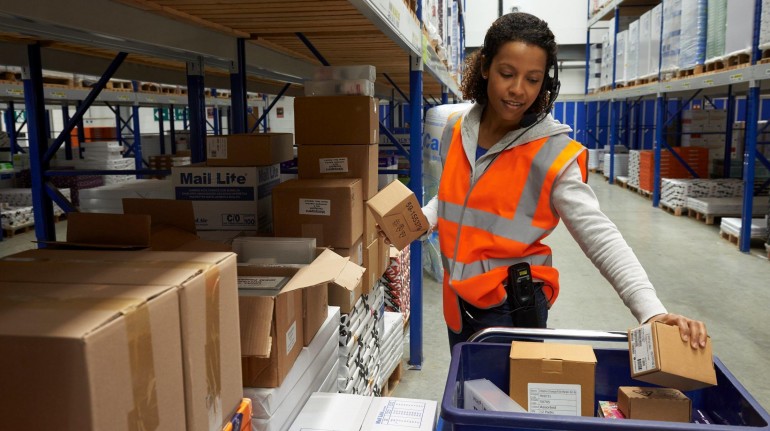
While there are inherent risks with new staff unfamiliar with your operation, equipment, and materials, there are several steps you can take that are easy to implement to create a safe, cost-effective operation. Clear, consistent communication and comprehensive training can save you… and your team.
- Conduct safety training – ensure each worker completes your comprehensive warehouse safety training –be sure to identify risks and hazardous conditions.
- Define processes & procedures – ensure workers understand their job function.
- Lift equipment training is a non-negotiable —training & certification are OSHA required. Each equipment operator must be certified on the type of vehicle they are using.
- Create pedestrian-only spaces to minimize forklift activity in pedestrian-accessible areas where possible –safer workspaces enable greater productivity.
- Provide safety data documents if workers are in contact with hazardous materials.
- Supply PPE required for individual tasks –enforce wearing the PPE.
- Maintain a reporting structure for staff to alert management to warehouse safety risks
- Train for an emergency – ensure the entire team knows what to do in emergencies, i.e., confirm they are trained & comprehend the procedures. Role-play and run regular warehouse safety drills to reinforce training.
- Keep your facility clean and orderly —
- Ensure floors are dry and debris free.
- Eliminate obstructions that can create blindspots –or add mirrors and/or lighting to minimize risk.
- Add safety netting to tall vertical pallet racking to prevent loose items from falling.
- Service equipment – regularly service material handling, automation, & conveyance equipment to avoid malfunction. Ensure that workers know how to start and stop any equipment they are operating, including emergency stop buttons, switches, etc.
The Cost of Warehouse Safety Preparation

The 10 Steps outlined above are not without a cost; however, that expense pales compared to the damage a serious workplace accident can have on your employees and your operation.
Educating workers on proper safety protocols, hazard identification, and risk mitigation can significantly reduce the likelihood of accidents and associated costs (such as medical expenses, worker’s compensation claims, and potential lawsuits). Moreover, a safer work environment can reduce property damage and equipment breakdowns, reducing maintenance and repair expenses. Lastly, compliance with safety regulations is essential to avoid penalties and legal consequences.
The Apex team is here to help create a safe and productive facility. We provide full-service warehouse support from expert design and space optimization to installation —pallet racking, mezzanines, pick modules & tunnels, etc.
Additionally, Apex works with you to ensure your team is trained and certified to operate your material handling equipment; we also inspect and repair pallet racking.
Call the Apex team today to learn more about our services or to schedule a free consultation. It takes just one call, and we’re on it. We Got This!
