
7 Proven Ways to Cut Inventory Shrinkage

How North Carolina Warehouses Can Reduce Inventory Shrinkage and Boost Safety
Warehouse shrinkage is a growing concern in North Carolina’s bustling distribution centers.
Inventory shrinkage (the loss of stock that can’t be accounted for through sales or other reasons) can pose a significant financial burden on a warehouse operation. It can occur at various stages of your process, from receiving and storage to picking, packing, and shipping. So a holistic approach is needed to prevent shrinkage.
The actionable tips below will help mitigate inventory shrinkage in your North Carolina warehouse and, as a bonus, improve overall warehouse safety. They’re practical, easy to implement, and ultimately cost-saving.
Understanding Warehouse Shrinkage
Before you fix it, you need to know what it is. A problem undefined is a problem unsolved.
Warehouse shrinkage is the loss of inventory within a warehouse or distribution center that is not explained by sales, use, or other legitimate activity. In other words, it’s the gap between what your records say you should have and what’s actually on the shelf.
Shrinkage has many potential causes. It includes theft (internal or external), damage, spoilage/expiration of goods, administrative mistakes (e.g. data entry errors), or other inventory control errors. It’s often used as a metric to gauge how effective a business’s inventory control systems are at safeguarding stock.
Shrinkage doesn’t just hurt your balance sheet. It also impacts your customers. Missing or damaged products lead to stock discrepancies, unfulfilled orders, and shipping delays. In a state like North Carolina, where logistics hubs are growing and customer expectations are high, warehouse shrinkage can erode trust and harm your reputation if it’s not kept in check.
Is Warehouse Shrinkage Really That Common?
It’s virtually impossible to run a warehouse with zero shrinkage, but it’s in everyone’s best interest to keep the shrink rate as low as possible.
Industry studies show that the average warehouse experiences about a 0.2% inventory shrinkage rate. According to the Warehouse Education and Research Council (WERC), anything above 0.46% should sound alarm bells. That level of shrinkage is considered a serious concern.
By comparison, some e-commerce operations consider shrinkage rates of 1–2% as a maximum tolerable range, but even 2% can quietly drain profits over time. In fact, inventory shrinkage cost the U.S. retail industry an estimated $61.7 billion in lost profits in 2020, highlighting how quickly those losses add up.
These benchmarks underscore the importance of actively monitoring and controlling shrinkage in your facility. While some shrinkage may be unavoidable, keeping it under tight control is critical.
So, How Is Shrinkage Happening?

Every facility is unique, but there are several common ways that inventory can be lost, damaged, or miscounted in a warehouse:
- Receiving errors: Mistakes during inventory intake can originate on the supplier’s end (short shipments, etc.), but if your team doesn’t catch them at the dock, the discrepancy becomes your problem. For example, if 100 units are billed but only 95 arrive and are logged into stock, you’ve just inherited a shrinkage issue. Implement strict receiving procedures. Always match the bill of lading to the actual delivered items and only log what you physically receive to avoid paper errors turning into real losses.
- Misplaced stock or mislabeling: Human error, miscommunication, or a lapse in the warehouse management system (WMS) can all lead to inventory being put away incorrectly. An item shelved in the wrong bin might be counted as shrinkage because it’s not where expected when needed.
- Expiration and obsolescence: Perishable goods, pharmaceuticals, and even seasonal products have a shelf life. If they aren’t processed in a First-In, First-Out (FIFO) manner, one of the specialized considerations for palletizing, they can expire or become unsellable. This is common in food distribution and any North Carolina warehouse handling seasonal retail stock.
- Damage: Broken, dented, smashed, or otherwise damaged inventory usually can’t be sold. Rough material handling practices are often to blame. Statistically, the more manual touches an item goes through, the higher the risk of damage. Subpar storage equipment (like rickety pallets or undersized bins), poorly maintained forklifts, and inadequately trained operators all increase the chance of product damage.
- Theft: Inventory theft can be a major source of shrinkage, whether it’s perpetrated by employees or outside criminals. Estimates vary widely. In some facilities, theft might account for half of all shrinkage, in others much less. North Carolina warehouses are not immune to this risk, as busy facilities can attract thieves or tempt dishonest insiders. The good news is there are many steps you can take to deter theft and improve security.
Now that we know what causes shrinkage, how do we prevent it?
7 Ways North Carolina Warehouses Can Reduce Inventory Shrinkage and Improve Safety
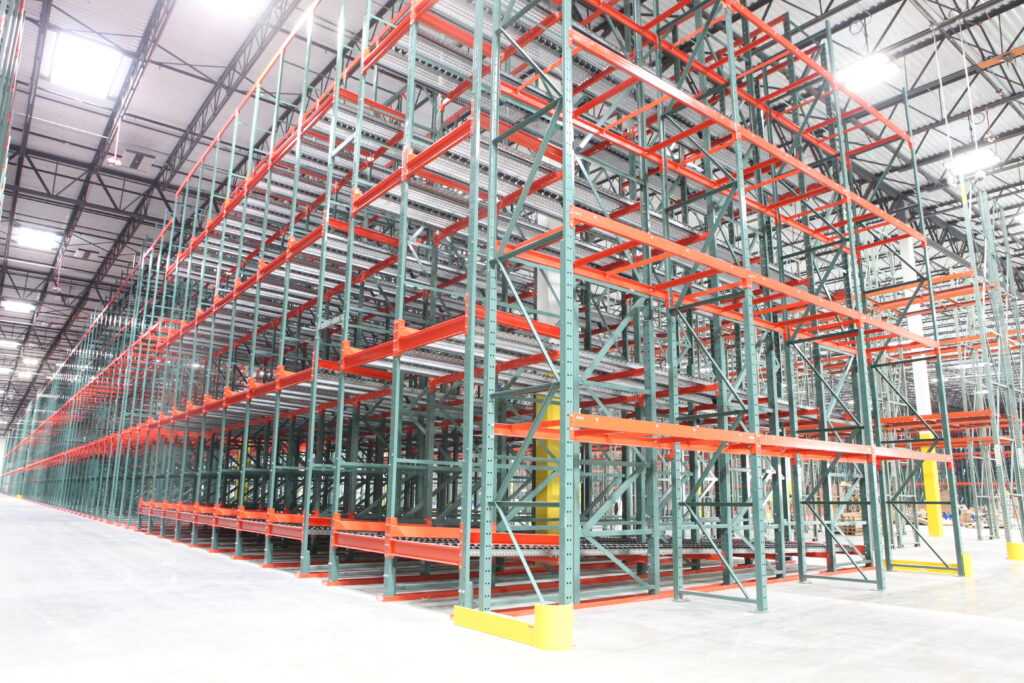
Customized Pallet Storage Improves Inventory Tracking & Control
1. Tighten Inventory Control Systems
The foundation of controlling shrinkage is an accurate inventory management system. Depending on your SKU count and order volume, you might use a manual system (cycle counts, spreadsheets) or an automated real-time system.
The goal is to maintain a precise, up-to-date count of stock at all times.
If you’re still relying on manual counts and find discrepancies, consider upgrading to an automated WMS or inventory control software. These systems can pay for themselves by reducing shrinkage losses, labor costs, and even insurance premiums.
Real-time tracking helps you spot issues immediately and prevents “mystery” losses. In North Carolina’s rapidly growing e-commerce sector, investing in inventory control tech can also be a competitive advantage. It ensures you know exactly what you have on hand across your facility.
2. Use Proper Racking and Right-Sized Storage
An organized warehouse is a safer and more shrinkage-resistant warehouse. By tailoring your pallet racking and storage racking setups to your inventory mix, you can greatly reduce damage and misplacement of goods.
Whether you’re storing full pallets, cases, or individual items, use racking that optimizes your space (especially vertical space) and keeps products secure and accessible.
For example, selective pallet racks, carton flow systems, or cantilever racks might be used based on your product types. A well-designed rack system creates an orderly flow for workers and equipment, reducing handling errors. It also helps utilize “wasted” vertical space, which can increase storage capacity without expanding your footprint.
Don’t forget add-ons like wire decking, safety netting, pallet support bars, and pallet stop beams. These safety accessories prevent items from falling or being dislodged, protecting both the products and your people below.
3. Conduct Regular Inspections (and Prompt Repairs)
Your first line of defense against both shrinkage and accidents is your team’s vigilance. Train employees to routinely check for any warehouse hazards or potential sources of inventory loss.
This includes identifying compromised pallets that could collapse, noticing if pallet rack beams or uprights are damaged or overloaded, and spotting any safety issues with equipment or storage.
Performing regular rack inspections and general safety audits allows you to fix problems before they lead to lost inventory or injured workers. In fact, North Carolina’s Department of Labor places warehousing under a special emphasis safety program. They underscore the importance of staying ahead of hazards.
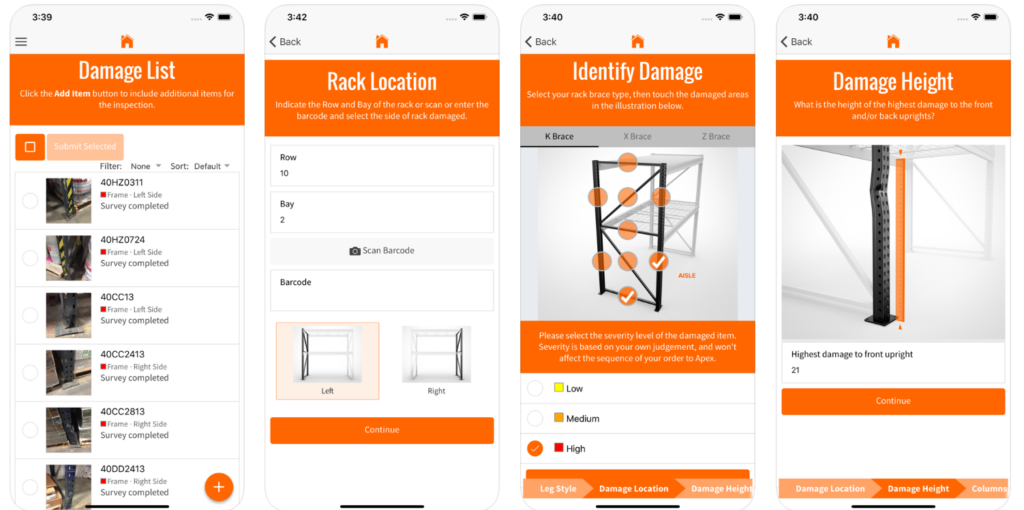
To assist in this effort, you can leverage tools like the free Apex Rack Repair App.
This simple mobile app guides you through pallet rack inspections – you can quickly record rack damage (with easy prompts for rack type, size, etc.) and even attach photos of any issues. Once your inspection data is logged, it’s uploaded to the Apex PROs for expert evaluation. You’ll receive a comprehensive report with any recommended repairs or maintenance to keep your racking system safe and code-compliant.
4. Invest in Forklift Operator Training & Certification
Forklifts and other powered industrial trucks are indispensable in a warehouse. They’re also one of the biggest sources of product damage and worker injury when not operated properly.
That’s why forklift operators must be thoroughly trained on the specific equipment they’ll use in your facility (that’s not just our opinion – it’s an OSHA requirement). In North Carolina, which administers its own OSHA program, the forklift training and certification standards mirror federal rules. Operators need to be certified and renew their certification every three years at minimum.
Well-trained, confident forklift drivers are more productive and far less likely to knock over product, clip rack uprights, or otherwise cause damage.
Apex offers OSHA-compliant, comprehensive on-site group training for companies. Consider scheduling a session with our Apex Carolinas training team to keep your North Carolina crew certified and up to date.
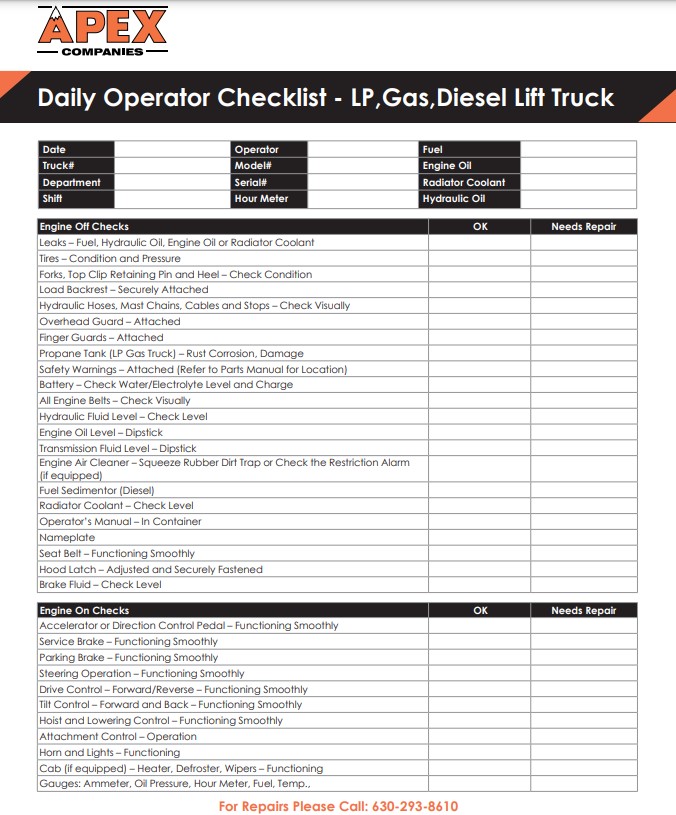
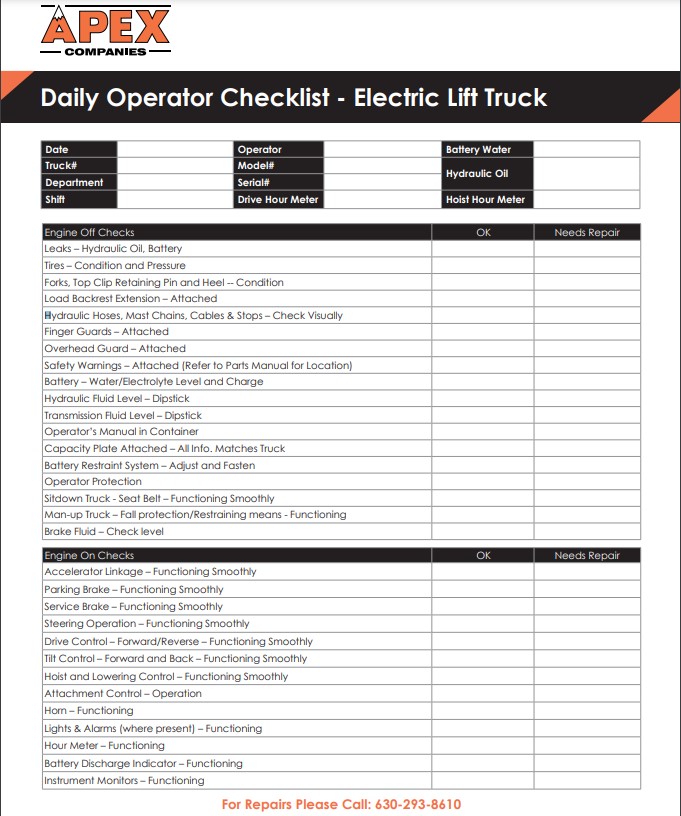
In addition, promote a culture of daily equipment checks. Encourage operators to perform a quick forklift inspection at the start of each shift (tires, brakes, mast, etc.). This daily checklist helps catch mechanical issues that could lead to accidents or product damage.
You can download free forklift inspection checklist forms from Apex to get started.
|
|
|
5. Maintain Your Equipment and Use the Right Tools
This starts with choosing the right type and size of equipment for your warehouse. For example, make sure your forklifts’ specifications (lift capacity, mast height, turning radius) are compatible with your pallet rack layout and load sizes. A forklift that’s too large for narrow aisles, or overloaded racks being serviced by undersized equipment, is a recipe for collisions and dropped pallets.
In some North Carolina warehouses, it may make sense to supplement or replace large forklifts with smaller, more nimble equipment for certain tasks. Electric pallet jacks, walkie stackers, and other compact lift devices can lighten the physical strain on workers and reduce the need for big forklifts zipping around in tight spaces.
Along with using the right tools, implement a regular maintenance schedule for all vehicles and machines. Many businesses opt for fleet maintenance plans with a local service provider. These plans can extend the life of your equipment by catching small issues before they turn into major failures. A forklift brake fix or hydraulics tune-up done proactively is far cheaper than dealing with a dropped load and damaged goods because a critical part failed.
6. Enforce a “Keep It Clean” Policy
Clutter, dirt, and debris do one thing really well: create a hazardous work environment.
Debris on the floor can cause slips or trips (potentially dropping a carried item), cluttered aisles can lead to product being knocked over or run over by equipment, and messy storage areas encourage lax inventory control.
By establishing a clean warehouse policy, you improve conditions for your team and protect your stock.
From an operational standpoint, cleaner facilities are easier to inspect and audit, meaning you’re more likely to catch potential shrinkage issues in a well-kept North Carolina warehouse. And don’t overlook the impression you give to visitors, clients, or inspectors. A clean, orderly warehouse in Raleigh or Charlotte sends the message that you run a tight ship.
7. Foster a Proactive Safety Culture
Implementing a robust workplace safety policy will pay dividends in happier, more attentive employees. That directly affects shrinkage.
Why? Workers who feel safe and valued are less likely to take careless shortcuts or, in worst cases, steal merchandise. High morale leads to lower turnover, so you retain experienced staff who know the processes and handle products correctly.
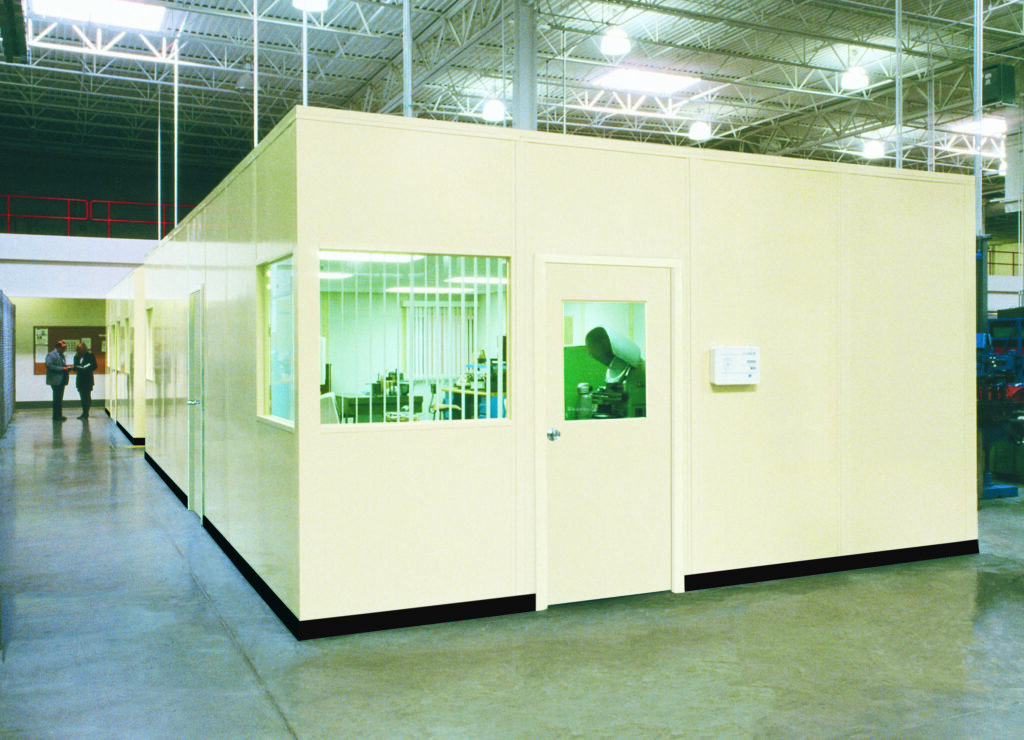
To build this culture, start with the basics: provide adequate rest breaks and a comfortable break area (consider modular in-plant breakroom units for quick deployment). Also, control environmental factors where possible. For example, maintain reasonable noise levels so that employees can hear forklifts approaching and aren’t overly stressed by constant loud machinery.
Ensure proper lighting throughout the warehouse; replace burnt bulbs promptly and eliminate dark corners where errors or theft could occur unnoticed. Post clear signage to remind staff of safety practices and mark any hazard areas.
Most importantly, conduct regular safety training and meetings. These don’t have to be lengthy or overly formal – even periodic refreshers on lifting techniques, forklift pedestrian rules, or emergency procedures keep safety top-of-mind.
By educating your team and enforcing policies (like nobody walking in a forklift zone without alerting the driver), you tackle those risks head-on. It’s worth noting that North Carolina’s occupational safety division actively focuses on warehousing safety. Meaning, regulators consider this an industry where accidents can be prevalent.
When your staff helps watch out for unsafe practices or potential theft, the warehouse runs smoothly. Happier, safety-conscious workers are simply less likely to make the kind of costly errors that result in lost inventory or to engage in dishonest behavior.
Support to Combat Shrinkage – Apex Is Here to Help
It may take a combination of all seven strategies above to achieve your warehouse shrinkage and safety goals. Apex is with you every step of the way.
We provide full-service warehouse support in North Carolina. We ensure a seamless process whether you’re implementing a new inventory management system, installing custom-configured pallet racking, re-designing your warehouse for better flow, training your forklift operators, or setting up a warehouse automation solution.
The Apex Carolinas team acts as an extension of your own staff. Don’t let inventory shrinkage quietly chip away at your profits or put your employees at risk.
Contact Apex today – We Got This!
